About this place
Museo Arqueológico de Linares is a compact archaeological museum in Linares, in the province of Jaén, dedicated to the history of the region and the nearby ancient city of Cástulo.
The museum was founded in 1956 by Rafael Contreras de la Paz, with the aim of preserving and studying archaeological finds from the area, above all from Cástulo — an Iberian-Roman city that was once one of the most important settlements in this part of Andalusia. The collection was first housed in classrooms of a local secondary school, then in the old Casa de Socorro, until 23 September 1983, when the museum moved into the building it still occupies today.
Where is the museum located?
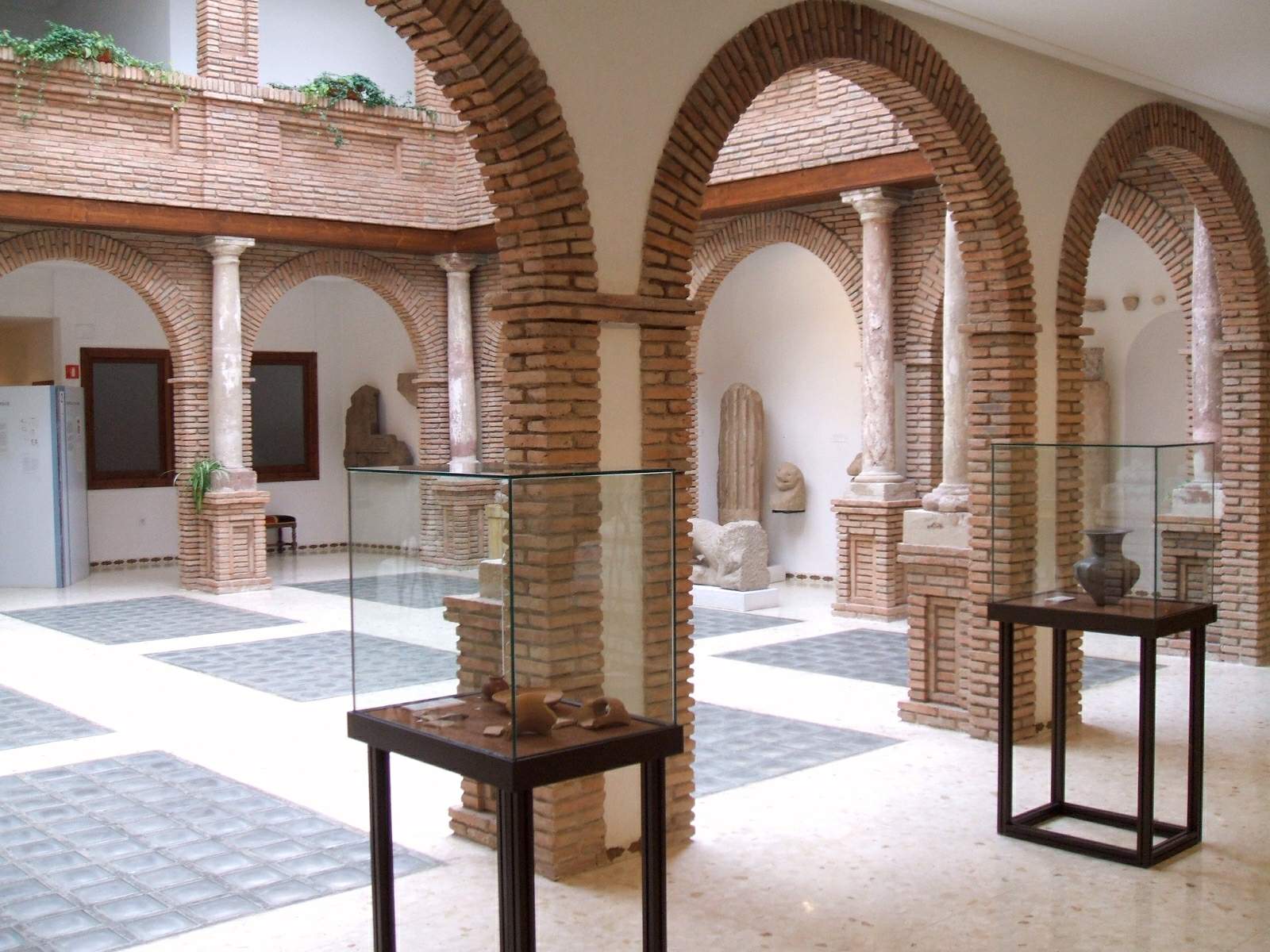
The museum occupies the Casa del Torreón, a 17th-century palace that originally belonged to the Dávalos family. The building retains several original architectural features from the old residence, and the exhibition is spread across multiple floors. The site also includes an auditorium, a library and research rooms, making it both an exhibition space and a working research centre.
What will you see inside?
The collection is monographic in character, focused on Cástulo, and spans a long timeline from the Copper Age to the medieval period. Its strongest holdings, however, come from the Iberian and Roman eras.
Highlights include stone sculptures, capitals and architectural fragments, among them zoomorphic pieces — several lions and a fragment depicting a horse's neck — along with columns and capitals, including a "stem" capital dated to the 5th–3rd centuries BC. Among the oldest items are a Phoenician-type incense burner and a winged sphinx figure. These are complemented by Greek ceramic vessels, fibulae, pins and rings from the Iberian period.
A particular highlight is the museum's collection of engraved gemstones, small carved gems used in antiquity as seals and jewellery. The museum also holds one of the region's best-known artefacts: a lead tablet bearing a Roman curse inscription (tabula defixionis), evidence of the magical beliefs and practices of Cástulo's ancient inhabitants. The collection additionally includes mining-related objects, a reminder of how important metal ore extraction was to the local economy in antiquity.
How do you get there?
The museum sits in the centre of Linares, a town easily reached by car from Jaén or Córdoba. It is best visited as part of a longer trip that also includes the Cástulo archaeological site, a few kilometres outside town — the two places complement each other and together give a fuller picture of the region's history.
When is the best time to visit?
The museum's indoor galleries can be visited at any time of year, but spring and autumn are the most pleasant seasons for combining a museum visit with a trip to the open-air Cástulo site, since Andalusian summer heat can make outdoor exploring uncomfortable.
Frequently asked questions
What is Cástulo and why does it matter so much to this museum? Cástulo was an ancient Iberian-Roman city located near present-day Linares. The museum was originally created to preserve and display finds from this site, which is why a large part of its collection is monographic and dedicated specifically to Cástulo.
What is the curse tablet, and where can it be seen? It is a lead tablet inscribed with a Roman magical curse (tabula defixionis), one of the museum's most distinctive pieces. It is displayed among the Roman-era collections, alongside engraved gems and everyday objects.
How much time should I set aside for a visit? Because the exhibition space is relatively small, a thorough visit usually takes between one and two hours, depending on how much time you want to spend in each room.
Is it worth combining the museum with a trip to Cástulo? Yes — the Cástulo archaeological site is close to Linares and makes a natural complement to the museum, letting visitors see the original context for most of the objects on display.
Nearby places

Earn badges for the places you visit
Download NextOnTrip, discover new places and check off your trails.