About this place
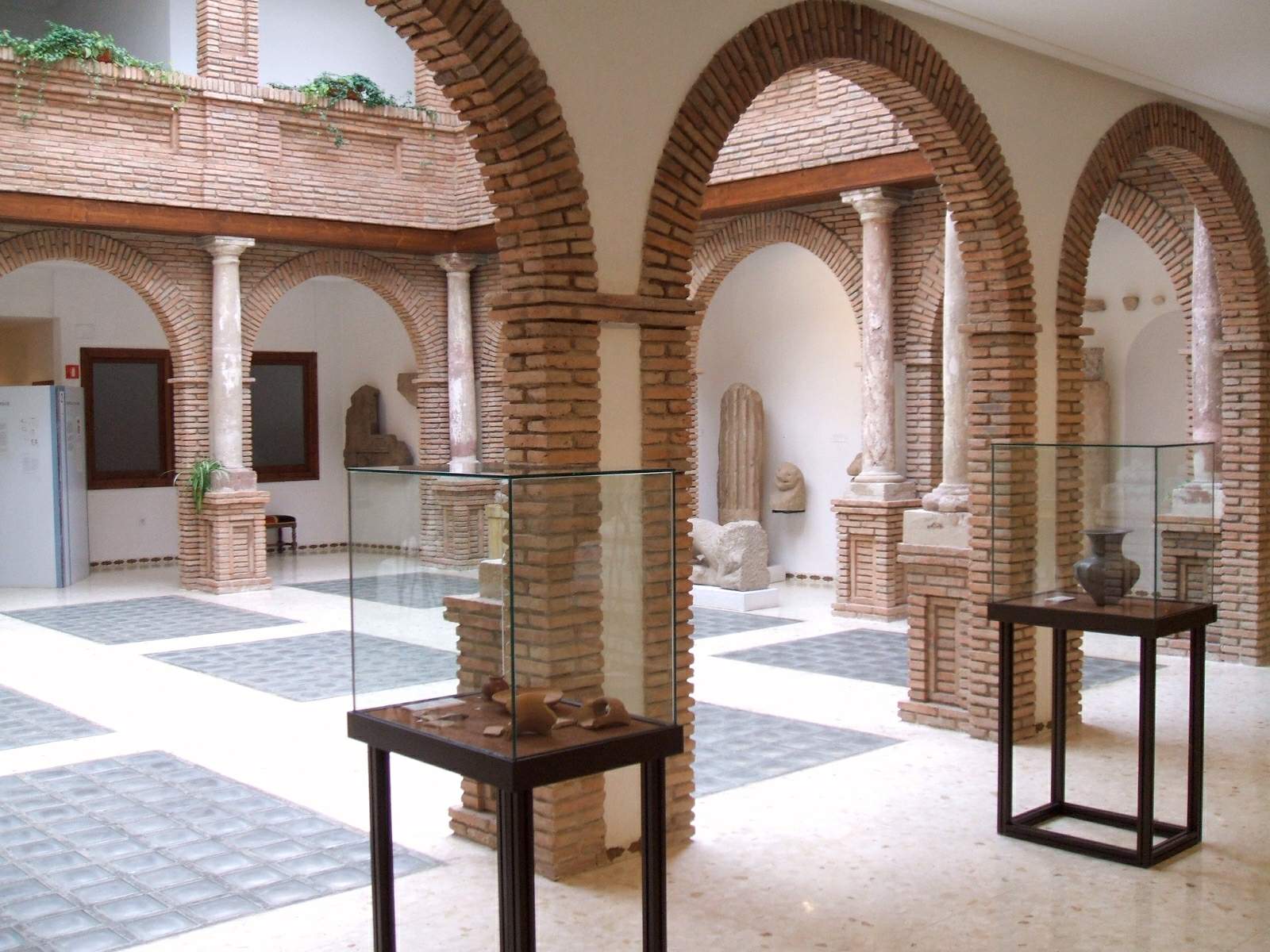
Museo de Jaén is an archaeology and fine arts museum in Jaén, Andalusia, holding collections that range from prehistoric times to 20th-century art. Formed by merging two older institutions, it now ranks among the most important regional museums in southern Spain, largely thanks to its exceptional collection of Iberian sculpture from Porcuna.
How did the museum come to be?
The story starts in 1846 with the founding of the Museum of Paintings, which held works confiscated from monasteries and religious orders as a result of the Mendizábal Disentailment — the 19th-century process of secularizing Church property across Spain. Separately, the Provincial Archaeological Museum was established in 1963. The two collections were merged in 1969 into a single Museo de Jaén, which opened to the public in its present building in 1971.
What does the museum building look like?
The main building was designed in 1919 by architect Antonio Flórez Urdapilleta, who also designed the Residencia de Estudiantes in Madrid, the famous academic residence linked to a generation of Spanish intellectuals and artists. The result is a classical-style palace on a quadrangular plan, with towers at each corner, giving it a stately, monumental presence.
What can visitors see inside?
The museum is organized into two main sections.
The Archaeology Section guides visitors through successive periods: prehistory, the Iberian era, the Roman period, the Visigothic era, and Andalusi-Muslim culture. This is where the museum's standout attraction is displayed — the group of Iberian sculptures unearthed at Cerrillo Blanco in Porcuna. It is the largest collection of its kind in Spain, shown in a dedicated annex building north of the main structure. Dating to around the 6th century BC, the sculptures depict animal motifs, scenes of warriors in battle, and ancestor figures, together telling the story of a mythical aristocratic lineage. Among the best-known pieces are the Torito de Porcuna, a sandstone bull sculpture, and the Griphomaquia, a scene of a man fighting a mythological griffin, carved from a single block of stone.
The Fine Arts Section presents painting and sculpture from the 14th to the 20th century, much of it drawn from former church and monastery collections seized in the 19th century.
How much does it cost and when is it open?
Admission to Museo de Jaén is free for all visitors. The museum is open Tuesday to Saturday from 9:00 AM to 8:00 PM, and Sundays and public holidays from 9:00 AM to 3:00 PM. It is closed on Mondays and on select public holidays.
Frequently Asked Questions
What makes Museo de Jaén different from a typical regional museum? Above all, the scale and significance of its Iberian collection — the Porcuna sculptural group is considered the largest ensemble of Iberian art in all of Spain, placing this museum among the country's key archaeological institutions.
Do visitors need to book tickets in advance? Admission is free, so there is no ticket to buy, but it's worth checking current opening hours before visiting, since they can change on public holidays.
Where do the fine arts pieces come from? Largely from churches and monasteries in Jaén province, whose holdings entered public collections in the 19th century through the Mendizábal Disentailment.
How much time should a visit take? The museum spans two substantial sections — archaeology, including the separate Porcuna sculpture annex, and fine arts — so allowing at least two hours makes for an unhurried visit.
Nearby places

Earn badges for the places you visit
Download NextOnTrip, discover new places and check off your trails.