About this place
Museo de Artes y Costumbres Populares de Jaén is an ethnographic museum in Jaén dedicated to the traditional rural life of the province before industrialization changed it. It occupies the Palacio de Villardompardo, a 16th-century Renaissance palace built for the first Count of Villardompardo, who also served as Viceroy of Peru. The same complex shares its walls with the city's Arab baths and the International Museum of Naïve Art, making it one of the cultural anchors of the old town.
How do you get there?
The Palacio de Villardompardo sits in Jaén's historic center, within easy walking distance of the cathedral and the main squares of the old quarter. Travelers arriving by train or bus can reach the palace on foot in well under half an hour, since central Jaén is compact and pedestrian-friendly. Drivers will find public parking nearby, though the narrow streets of the old town are best explored on foot once you're close.
What will you see?
The museum spreads across several levels of the palace — a basement, two main floors, and an upper level of former chambers. The collection is arranged by theme, with rooms devoted to the vine and wine production, olive growing, cereal farming, and the management of water, all central to the province's historic economy. Other rooms display the weights, measures, and modes of transport once used by farmers and craftsmen. There are galleries dedicated to childhood, to rural household life, to folk ceramics, and to leatherwork traditions known locally as cordobanes and guadamecíes — decorative tanning and embossing techniques with deep roots in the region. Textiles and homemade fabrics round out the exhibits.
The museum was created on the initiative of the Diputación de Jaén, the provincial council, which approved its founding by plenary agreement on October 31, 1980. It opened officially to the public on December 20, 1990. From the outset, its purpose was to rescue, preserve, and promote the traditions, customs, and artisanal trades of the province of Jaén — many of which had disappeared or were at risk of disappearing due to industrialization.
When should you visit?
A visit here pairs naturally with the Arab baths and the naïve art museum housed in the same building, letting you cover three attractions without leaving the complex. Given the focus on traditional crafts and agriculture, the museum makes sense at any time of year, though summer visitors should plan around Andalusia's midday heat and aim for cooler morning hours instead.
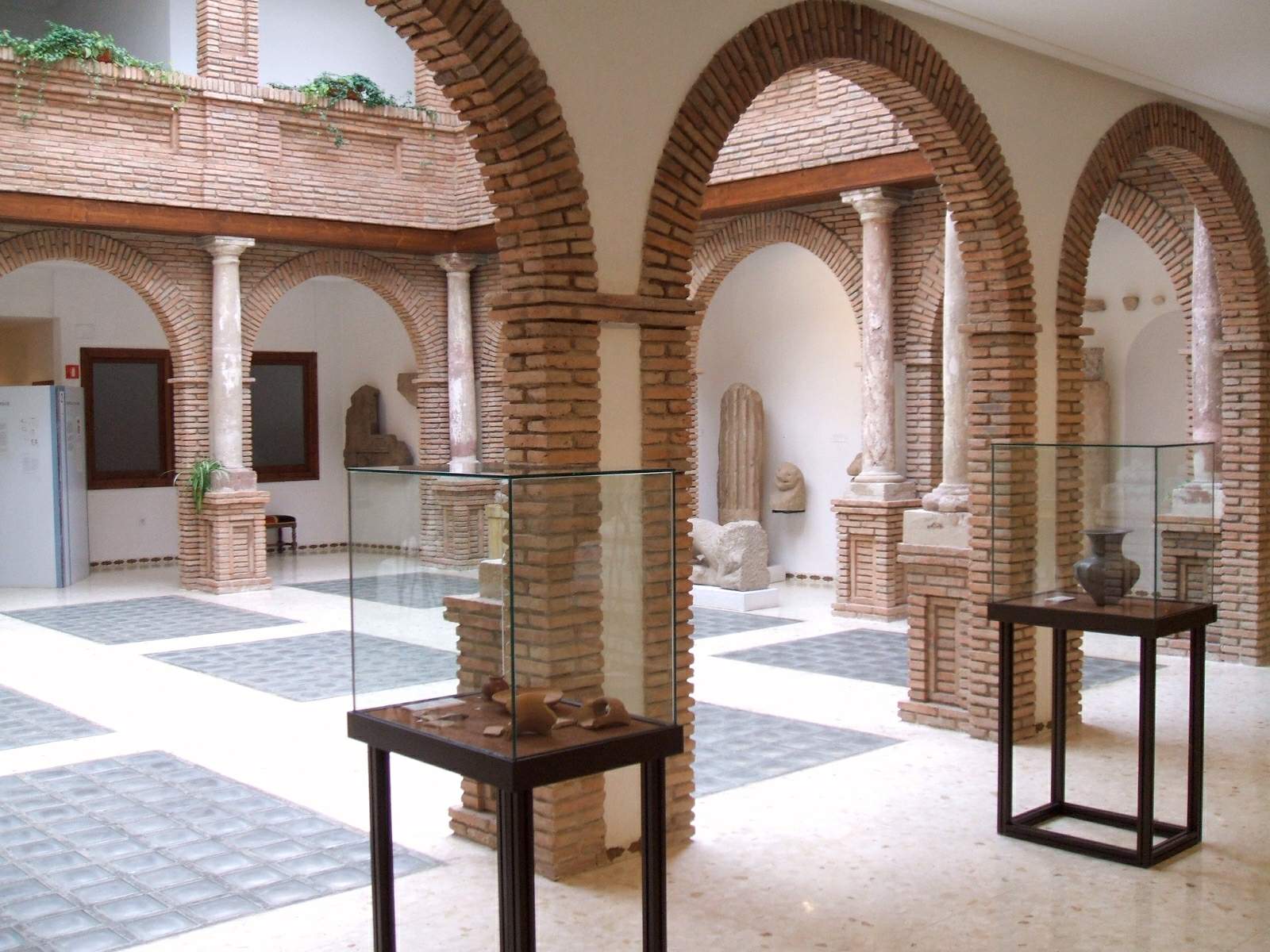
The building itself — a 16th-century Renaissance palace — is worth the visit independent of its ethnographic collection. Take time to appreciate the courtyards and halls that served as a private residence for centuries before being adapted for museum use.
Frequently Asked Questions
Where exactly is the museum located? Inside the Palacio de Villardompardo, in Jaén's historic center, in the same building as the Arab baths and the International Museum of Naïve Art.
What does the collection cover? The traditional pre-industrial life of Jaén province: wine and olive production, cereal farming, water management, crafts, ceramics, textiles, and historic tools and transport.
When was the museum founded? The Provincial Council of Jaén approved its creation on October 31, 1980, and it opened to the public on December 20, 1990.
Is it worth combining with other sights in the building? Yes — the same palace also houses the Arab baths and the International Museum of Naïve Art, so you can see three attractions in one stop.
Nearby places

Earn badges for the places you visit
Download NextOnTrip, discover new places and check off your trails.