About this place
Centro de Interpretación Olivar y Aceite is a museum dedicated to olive groves and olive oil, located in Úbeda, in the province of Jaén, Andalusia. Jaén is widely regarded as the largest olive-growing region in the world, and this center was created specifically to introduce visitors to the history, traditions and technology behind this cornerstone of the regional economy.
Where is it and how do you get there?
The center occupies a historic building known as Casa de la Tercia, right on the edge of Úbeda's monumental old town — a city listed as a UNESCO World Heritage Site for its Renaissance architecture. This location makes it easy to combine a visit with a walk through Úbeda's historic center, past its palaces, churches and squares. The building is best reached on foot from downtown; drivers should park at the edge of the historic zone and continue on foot.
What will you see inside?
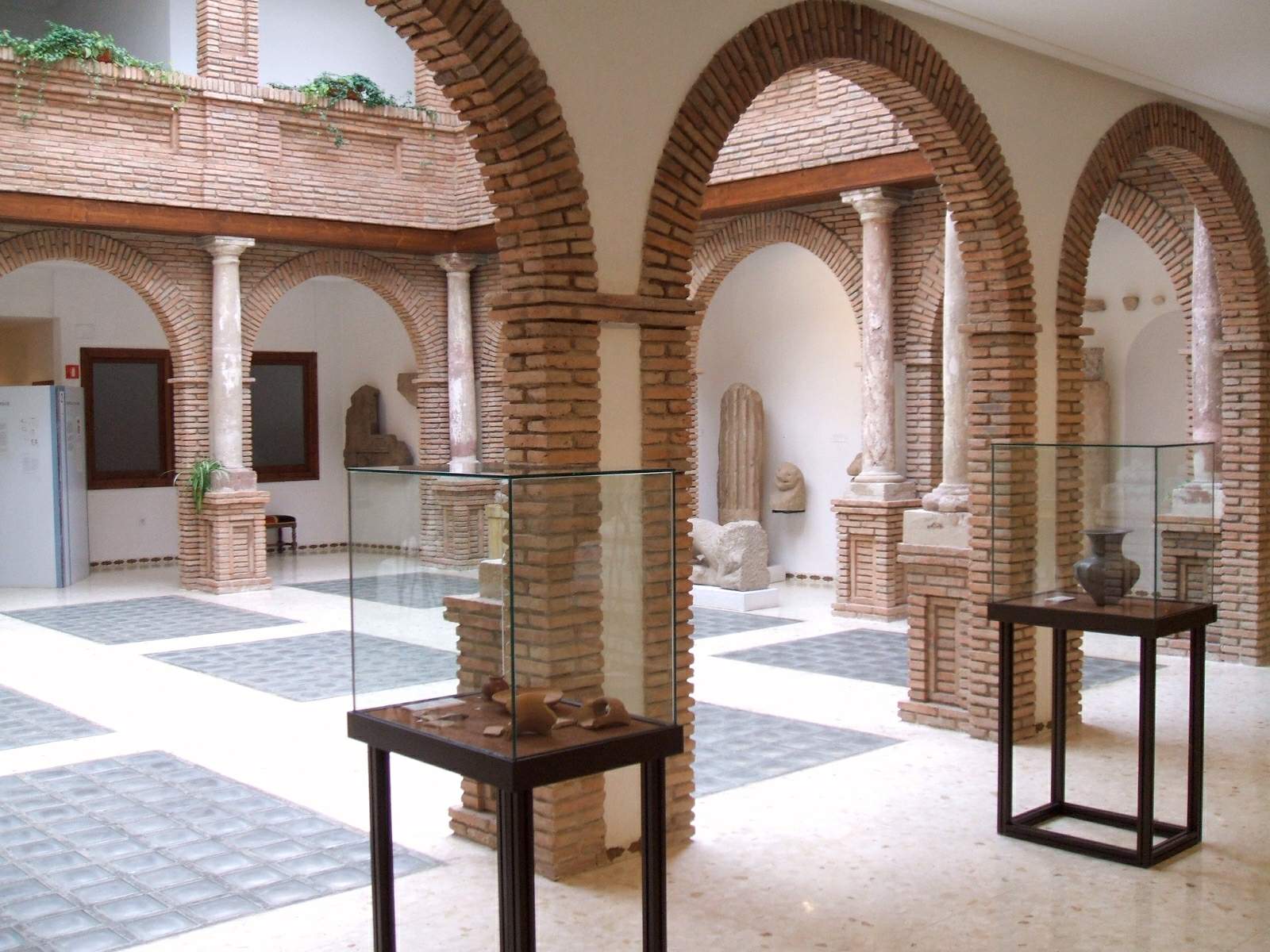
The exhibition covers more than 1,200 m², spread across two floors, a basement and a courtyard. The interior blends the historic character of Casa de la Tercia with modern exhibition design — multimedia displays, interactive stations and contemporary staging. Besides the permanent exhibition hall covering the history and production process of olive oil, the center houses a training room, a conference room, a cooking room and a dedicated children's room. The on-site shop sells extra virgin olive oil from local mills, along with other food products and crafts typical of the Comarca de la Loma region.
What activities are available?
The center runs an extensive program of educational and hands-on activities. These include olive oil tasting courses (cata de aceite), cooking workshops in the dedicated kitchen room, educational activities for children, and thematic conferences and talks. This makes the center appealing not only to visitors touring the exhibition, but also to those looking for a hands-on experience — such as learning to judge olive oil quality or cooking dishes that showcase it.
When is the best time to visit?
The center can be visited year-round, but it's worth knowing that the olive harvest in Jaén province falls in late autumn and early winter (November to January) — the period when the region is most focused on olives and local mills run at full capacity. Anyone interested in workshops or tasting courses should check the current schedule in advance, since some activities require prior booking.
Frequently asked questions
Do you need to book in advance to visit the center? The permanent exhibition can be visited without a reservation, but workshops, tastings and children's activities usually require booking ahead — it's best to contact the center by phone or through its website before arriving.
Can you buy olive oil at the center? Yes, the on-site shop sells extra virgin olive oil along with other local food products and crafts from the Jaén region.
How long does a visit take? Given the size of the exhibition (over 1,200 m² across several levels), touring the exhibits alone usually takes about an hour; joining a workshop or tasting session will extend that.
Is the center suitable for families with children? Yes, the center offers educational activities designed specifically for younger visitors, held in a dedicated children's room.
Nearby places

Earn badges for the places you visit
Download NextOnTrip, discover new places and check off your trails.