About this place
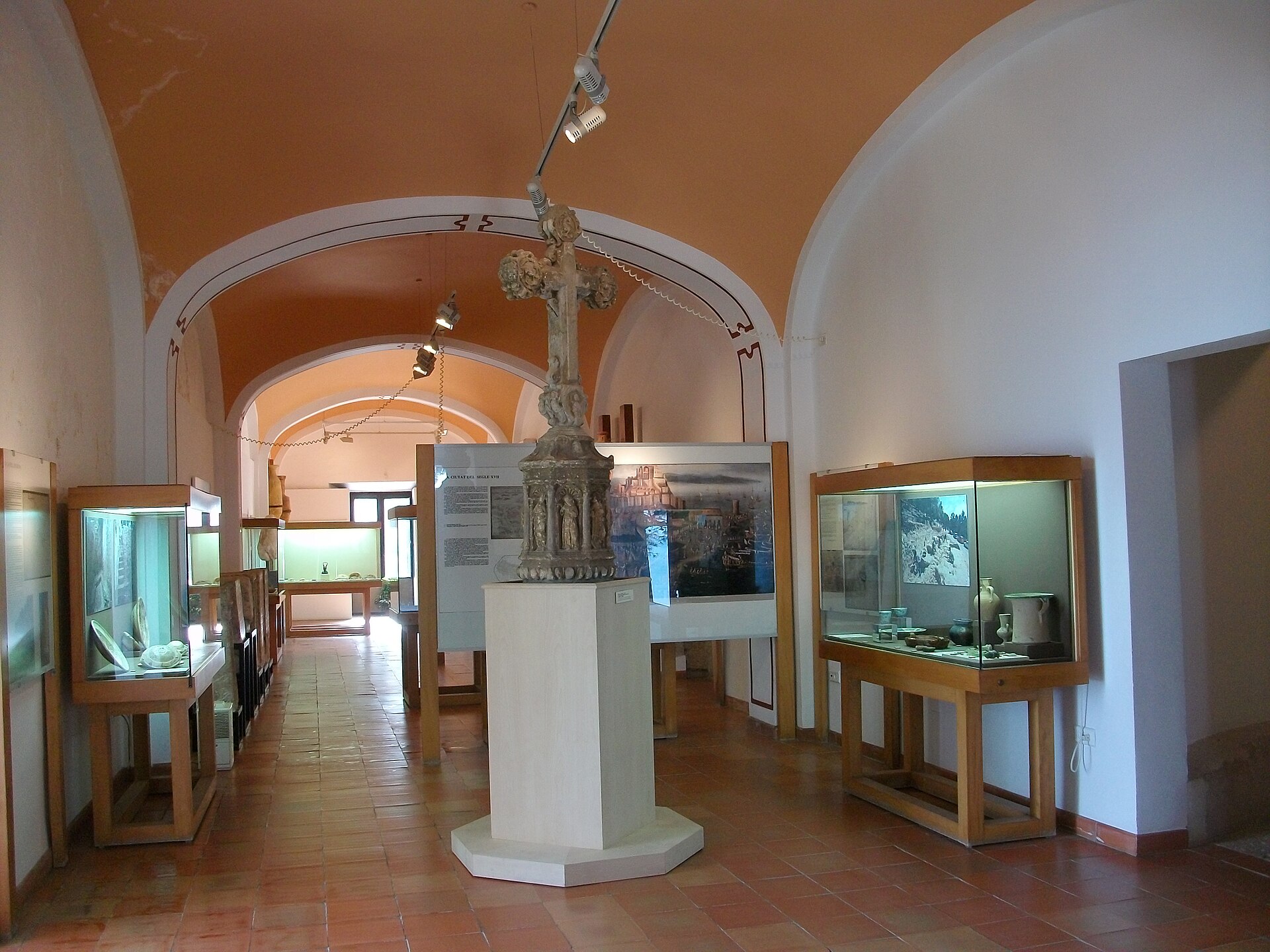
Museu Arqueològic de Dénia is the city's archaeological museum, tracing the history of this Mediterranean town from its Iberian origins through to the early modern period. Founded in 1957, it was one of the first museums of its kind in the Valencian region and in Spain as a whole, giving it a long-standing role in preserving the city's cultural heritage.
Where is the museum located?
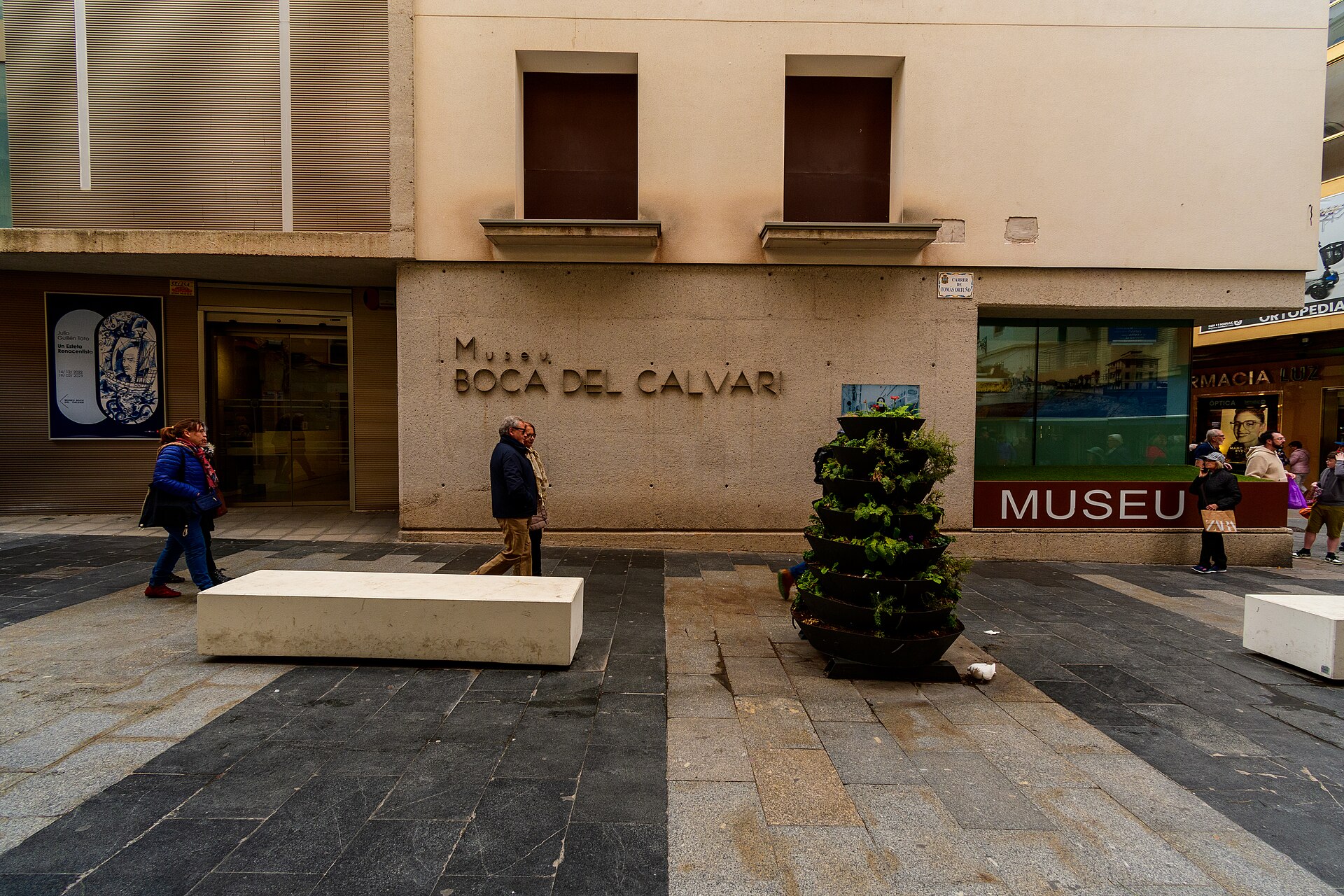
For most of its history, the museum's collection was tied to the Castell de Dénia, the fortified hill that has overlooked the city since antiquity. The exhibition was first housed in the castle tower and in an extension of the Palau del Governador. In 1975, an exhibition hall opened in the Torre del Consell within the castle, and in 1987 a further display was set up in the Eastern Gallery of the Duke of Lerma's palace at the summit of the castle hill — this arrangement remained in place until December 2023. Today the museum occupies the former house of the Marquesa de Valero de Palma, on Calle Cavallers 3, in the city's historic centre.
What can visitors see inside?
The exhibition traces the city's development from its earliest settlement through to the 18th century, organised into four main periods. The first covers the Iberian era and the early stages of Romanization in the area. The second is dedicated to the Roman period, when the settlement was known as Dianium. The third focuses on the Islamic era, when the city — called Daniya — served as an important port on the eastern coast of the peninsula. The fourth section covers the Christian period, from the 13th to the 18th century, as Dénia developed as a town within the Crown of Aragon and later Spain.
Why is this museum worth visiting?
The Museu Arqueològic de Dénia offers a compact way to grasp the layered identity of a city that was, in turn, an Iberian settlement, a Roman port, an Islamic city-state, and a Christian trading town. Few places let visitors trace more than two thousand years of continuous settlement in such a small area. For anyone visiting the Dénia castle, the museum is a natural complement to the trip, adding historical context to the walls, towers and ruins visible on the hill.
How should you plan a visit?
The museum sits in the heart of Dénia, within walking distance of the port and the old town, making it easy to combine with other attractions such as the castle itself or the waterfront. Since the collection moved from the castle grounds to the building on Calle Cavallers in 2023, it is worth checking current opening hours and any combined tickets with the castle before visiting, as arrangements may have changed following the relocation.
Frequently Asked Questions
When was the museum founded? The Museu Arqueològic de Dénia was established in 1957, making it one of the earliest archaeological museums in the Valencian region.
Where is the exhibition currently housed? Since December 2023, the museum has been located in the former house of the Marquesa de Valero de Palma, at Calle Cavallers 3, after decades of being based within the Dénia castle.
What historical periods does the exhibition cover? The display is divided into four sections: the Iberian era, the Roman period (Dianium), the Islamic era (Daniya), and the Christian period from the 13th to the 18th century.
Is the museum connected to the Dénia castle? Yes, historically the museum was closely tied to the castle — successive exhibitions were housed in the castle tower, the Palau del Governador, the Torre del Consell, and the Eastern Gallery of the Duke of Lerma's palace, before the collection moved to its current location in the city.
Nearby places

Earn badges for the places you visit
Download NextOnTrip, discover new places and check off your trails.