About this place
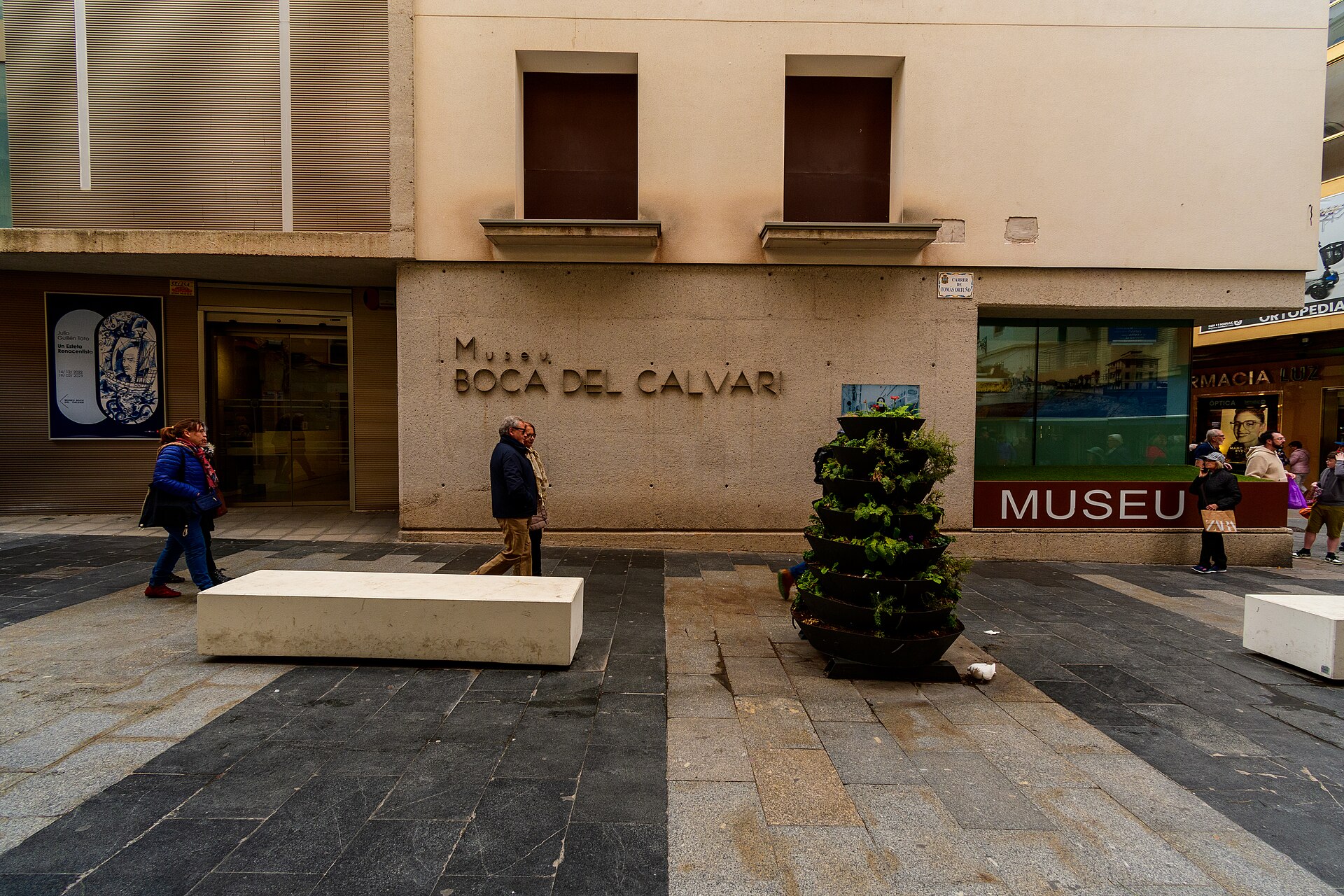
Vilamuseu is the municipal museum of la Vila Joiosa (Alicante), bringing together more than three thousand years of this coastal town's history under one roof, from the Iberian period through to the present day. It ranks among the region's most significant archaeological institutions, valued both for its land-based collections and for a distinctive display dedicated to the underwater heritage found off the local coast.
How did Vilamuseu come to exist?
The story begins in December 1973, when José Payá Nicolau and a group of collaborators started gathering and cataloguing archaeological finds from the surrounding area. The growing collection was first housed at the Casa de la Cultura in Villajoyosa. Official recognition took two more decades: on 4 April 1995 the Generalitat Valenciana granted it status as a permanent museographic collection under the name Museo Municipal de Arqueología y Etnografía, and on 9 September 1996 the institution was formally recognised as a full museum.
The current building opened its doors on 9 November 2016. It occupies the former site of the Colegio Público Álvaro Esquerdo, an eclectic-style public school whose original facade was preserved during the redevelopment, so the historic street front now wraps around a thoroughly modern museum interior.
What does the collection include?
The displays trace archaeological material from the Iberian period all the way to modern times, effectively laying out a cross-section of the region's past under one roof. Among the standout holdings is material from the Orientalising period, drawn from important necropolises excavated near the town — regarded as one of the finest collections of its kind anywhere on the Iberian Peninsula. Visitors can follow how Mediterranean influences mixed with local traditions in everyday objects and burial goods alike.
What is the Bou Ferrer exhibition about?
One of Vilamuseu's centrepiece attractions is its section on the Bou Ferrer, a Roman-era vessel that sank off the coast of Villajoyosa. The wreck is considered one of the most important underwater archaeological sites in the entire Mediterranean. The museum presents artefacts recovered from the ship and explains the techniques underwater archaeologists use to survey and document a find of this kind.
Does Vilamuseu run any other sites in town?
Yes — the institution also manages the Casa Museo la Barbera dels Aragonés, a historic house dating from the 16th to the 19th century. Its rooms hold a collection of furniture and everyday objects from the Romantic era, offering a different angle on Villajoyosa's past that sits well alongside the archaeological focus of the main building.
Frequently asked questions
How old is Vilamuseu? The collection dates back to December 1973, gained full museum status in 1996, and has occupied its current building since November 2016.
Where is the museum located? In the former Colegio Público Álvaro Esquerdo building in central la Vila Joiosa, whose historic facade was kept during the museum's construction.
What is the museum's main highlight? The exhibition on the Bou Ferrer, a Roman shipwreck ranked among the Mediterranean's most important underwater sites, alongside the museum's notable Orientalising-period collection.
Is it worth pairing the visit with another site? Yes — Vilamuseu also runs the Casa Museo la Barbera dels Aragonés, a historic house with a collection of Romantic-era furniture and objects, adding another layer to a visit focused on local history.
Nearby places

Earn badges for the places you visit
Download NextOnTrip, discover new places and check off your trails.