About this place
Museo Monográfico de Tiermes is a small archaeological museum in Montejo de Tiermes (Soria), sitting right at the entrance to the celebrated Tiermes site — a former Celtiberian settlement that grew into the Roman city of Termancia. Opened in 1983 as a dependent branch of the Museo Numantino in Soria, it works as an information hub: it prepares visitors for the excavation site itself, presenting the most important finds and explaining the history of the place through panels, display cases and audiovisual material.
What will you see inside?
The exhibition walks through the successive periods that left their mark on Tiermes. The oldest items on display are Celtiberian — weapons, bronze ornaments and pottery dated to between the 6th and 3rd centuries BC, recovered from excavations of the Arévaci settlement. Later rooms cover the Roman period, when Termancia grew on top of the earlier settlement into a fortified city, with defensive walls built in the 3rd century AD. The museum also shows material from the medieval period, so the whole collection gives a coherent picture of more than a thousand years of continuous habitation on this single spot.
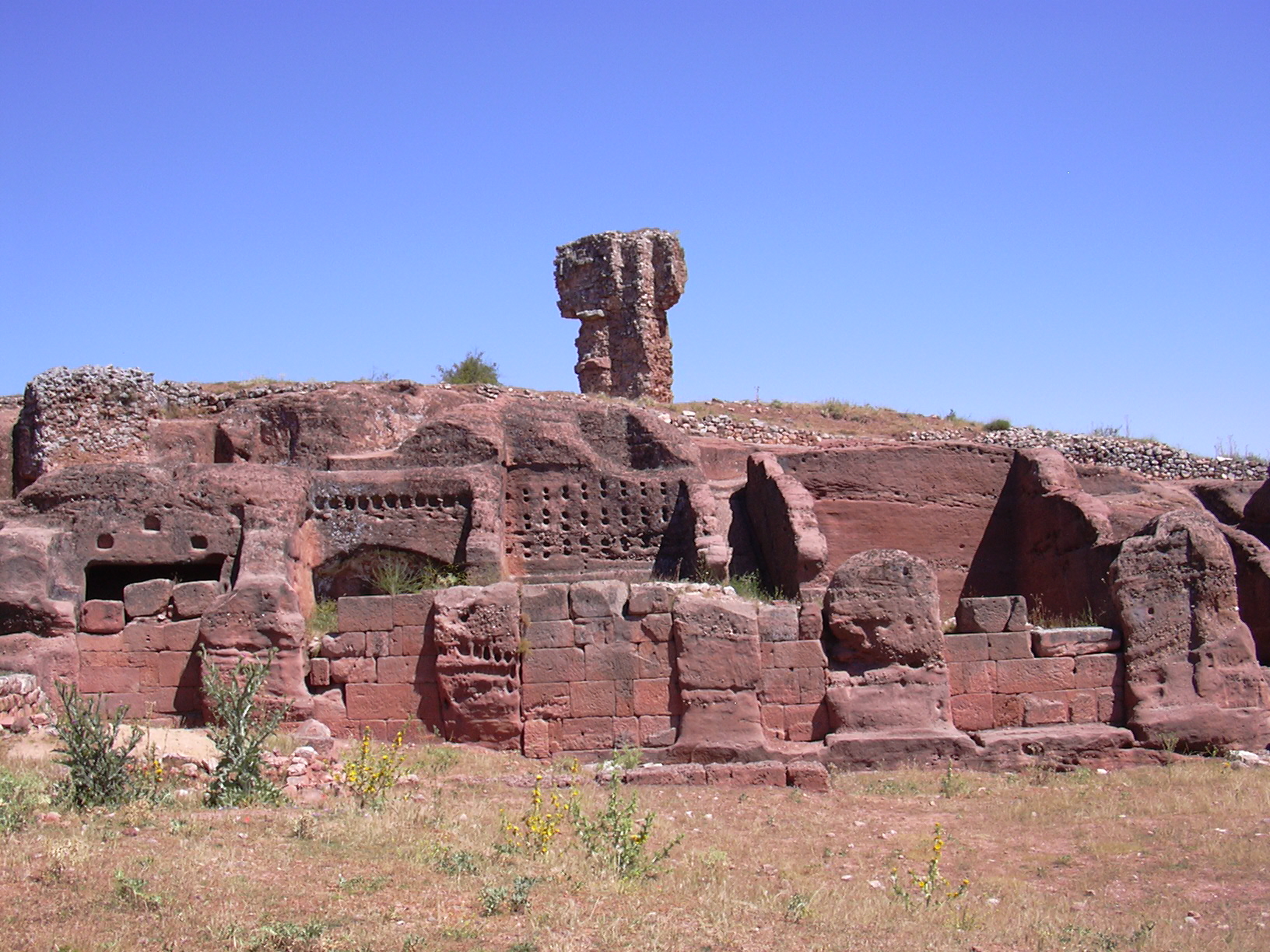
The biggest advantage of visiting the museum is that it functions as a proper introduction to the archaeological site itself. Tiermes is known for unique structures carved directly into the rock — cisterns, tombs, living quarters — making it one of the most unusual archaeological sites in Spain. Photos, models and explanatory panels in the museum help visitors know what to look for once they start walking the ruins.
How do you get there?
Museo Monográfico de Tiermes is located in the municipality of Montejo de Tiermes, in Soria province, in the region of Castile and León. The area is rural and off the main tourist routes, so arriving by car is the most practical option — the nearest larger city is Soria, from which a local road runs southeast toward the site. Build some extra time into the drive, since the route crosses hilly, sparsely populated countryside where navigation apps aren't always precise.
When should you go, and how much time should you plan?
The museum's opening hours change with the season: from October to June it is open from 10:00 to 14:00 and 16:00 to 19:00, and from July to September from 10:00 to 14:00 and 17:00 to 20:00. On Sundays and public holidays it only opens in the morning, from 10:00 to 14:00, and it is closed on Mondays (except on holidays). The archaeological site itself, unlike the museum building, is unfenced and open every day of the year — visits are recommended from 10:00 until half an hour before dark, which in practice leaves plenty of time to see both the museum and the ruins comfortably.
Thirty to forty-five minutes is usually enough for the museum itself, but plan for considerably more time walking the excavation site — the grounds are extensive, and the most striking features, such as the rock-cut structures and the remains of a Roman amphitheater, require walking on uneven terrain.
Frequently Asked Questions
Does a museum ticket also cover entry to the archaeological site? The museum and the excavation grounds are formally two separate places, so it's worth checking current ticketing arrangements on-site or by calling +34 975 352 051 before you visit.
Are there guides or guided tours at Tiermes? The museum offers informational material, panels and audiovisual presentations designed as a self-guided introduction to the site, so you don't need to book a tour in advance — though it's still worth confirming current options before arriving.
Is the archaeological site suitable for visiting with children? The ground is partly uneven and undeveloped, but the open landscape and the unusual rock-cut structures tend to catch younger visitors' attention — bring comfortable footwear and water, especially in summer.
What's the best time of year to visit? Summer extends opening hours for both the museum and daylight visiting time at the site, while spring and autumn offer milder temperatures for walking around the open terrain.
Earn badges for the places you visit
Download NextOnTrip, discover new places and check off your trails.