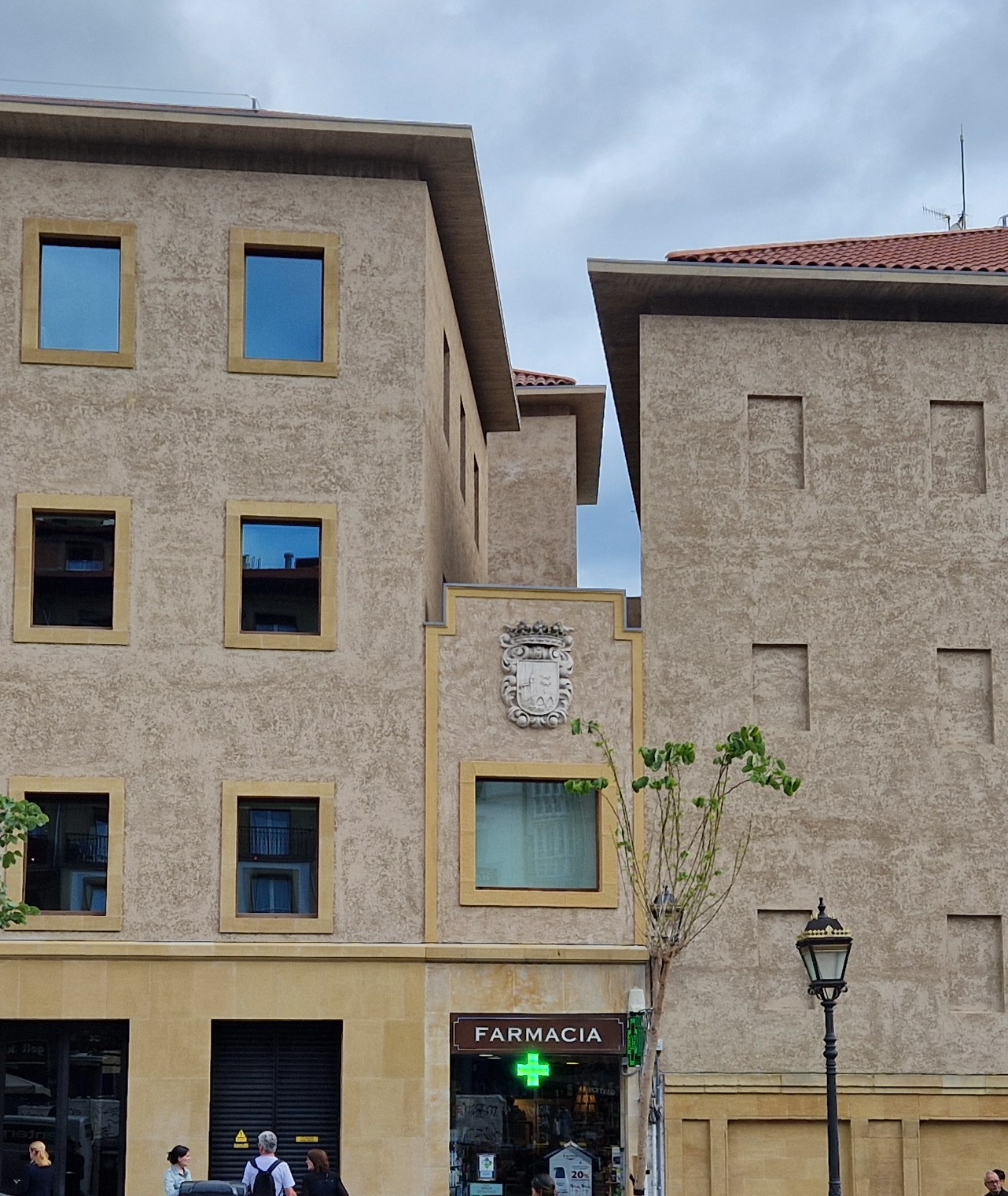
About this place
Euskal Museoa (the Basque Museum) in Bilbao is one of the region's oldest museums, housed in a historic building on the edge of the Casco Viejo, right by the Nervión River. It traces Basque history and culture from prehistoric times to the present through a collection of more than 20,000 objects.
How do you get there?
Euskal Museoa sits at Plaza Miguel de Unamuno 4, right in the heart of the old town. The easiest way in is the metro — Casco Viejo station is just a few minutes' walk from the entrance. It's also a natural stop if you're exploring the old quarter on foot: the museum borders the Siete Calles (Seven Streets) and sits conveniently between them and landmarks like the Zubizuri bridge or the Guggenheim Museum.
What's inside the building itself?
The building is part of the appeal. It was originally the Jesuit school of San Andrés, built in the early 17th century, and later served as a Mercy House (a charitable poorhouse). Stone walls, an inner cloister, and a monastic layout give the visit a quieter, more intimate feel than Bilbao's modern galleries. In 1962 the building and its collection were declared an Asset of Cultural Interest, cementing the institution's standing in the region.
What will you actually see?
The exhibition is organized into themed rooms that walk visitors through chapters of Basque life:
- Prehistory and archaeology — the earliest traces of settlement in the area.
- The sea and fishing — boat models, sailing gear, navigation instruments, and the story of Basque sailors and whalers.
- Shepherding culture — sheep bells, mountain-farming tools, and the tradition of transhumance.
- Ironworks and gunsmithing — the blacksmithing and weapons-making heritage that powered the Basque economy for centuries.
- Crafts and trade — weaving, pottery, traditional dress, and everyday objects.
The museum is compact, so a visit usually takes about an hour to ninety minutes — a good option if you don't want to spend a full day in one place but still want to go deeper than a postcard-level introduction to Basque identity.
When's the best time to visit?
The museum is open Monday through Saturday (with a midday break on Saturdays) and Sunday mornings, but it's closed on Tuesdays — worth factoring into a Bilbao itinerary. Thursdays bring free admission, making that day especially attractive for budget-conscious travelers. Because the exhibition rooms are relatively small, mornings are the better bet during peak tourist season, when crowds are thinner.
Who is this museum for?
Euskal Museoa is most rewarding for anyone interested in ethnography, regional history, and what sets the Basque Country apart from the rest of Spain. It also works well for families, since the exhibits — boats, tools, garments — are concrete and easy to explain to kids. Travelers looking purely for contemporary art are better served by the Guggenheim; Euskal Museoa is a story about roots, not the avant-garde.
Frequently Asked Questions
How much does a ticket to Euskal Museoa cost? The museum charges a modest entrance fee, and admission is free for everyone on Thursdays.
Is the museum suitable for visiting with children? Yes — the sections on fishing, shepherding, and traditional crafts are visual and concrete, which makes them easy to explore with younger children.
How much time should I set aside for a visit? A typical visit takes between one and one and a half hours, depending on how closely you go through each room.
Can I easily combine it with other old-town sights? Yes — the museum sits within the Siete Calles, so it fits naturally into a walk through historic central Bilbao, close to Santiago Cathedral and Plaza Nueva.
Nearby places

Earn badges for the places you visit
Download NextOnTrip, discover new places and check off your trails.