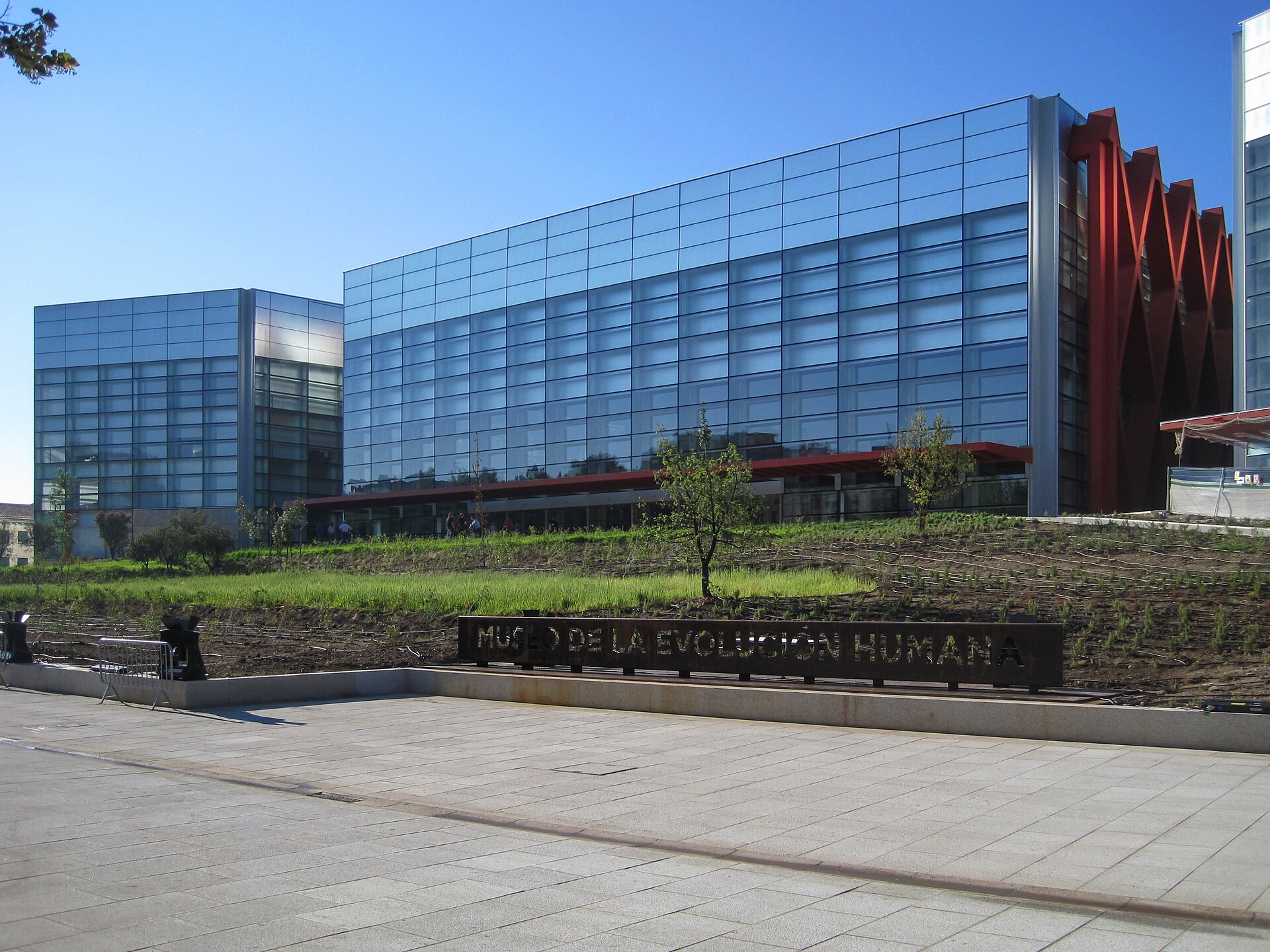
About this place
The Museum of Human Evolution (Museo de la Evolución Humana) in Burgos ranks among the city's must-see sights, especially for anyone curious about the deep roots of humankind. The building sits on the bank of the Arlanzón river, a short distance from the Sierra de Atapuerca, the UNESCO World Heritage archaeological site where some of Europe's oldest human fossils have been unearthed. Those Atapuerca finds form the core of the museum's collection.
How do you get there?
The museum sits centrally in Burgos, on the south bank of the Arlanzón, within easy walking distance of the cathedral and the old town — a riverside stroll is all it takes to reach the entrance from the historic center. Travelers who also want to see the Atapuerca excavation sites themselves should plan for a separate trip out of town, since the sites lie several kilometers away and visits usually need to be booked in advance as part of an organized group tour.
What will you see inside?
The exhibition walks visitors through the story of human evolution, from the earliest hominid species through the discoveries made at Atapuerca to modern Homo sapiens. The biggest draws are the original fossils alongside strikingly lifelike reconstructions of early humans, which let you look our ancestors in the eye across hundreds of thousands of years. The museum leans heavily on modern, multimedia storytelling — scale models, projections, interactive stations, and large-format displays that bring both the biology and the material culture of Europe's earliest inhabitants to life. A parallel thread of the exhibition covers the history of the Atapuerca research itself: how the excavations were carried out, which dating methods were used, and why the site was considered significant enough to earn UNESCO World Heritage status back in 2000.
Who is this museum for?
The exhibits work equally well for adults with an interest in anthropology and archaeology and for families traveling with children — the heavy reliance on visual models and reconstructions makes a genuinely complex subject easy to follow without any specialist background. It's also a solid choice for a rainy day in Burgos, when outdoor sightseeing loses its appeal.
When should you visit?
Set aside at least two to three hours for a proper visit, and if a trip to Atapuerca itself is also on the agenda, it's worth planning that as a separate day or folding both visits into a longer stay in the region. Outside peak tourist season the museum is noticeably quieter, making it easier to take in the exhibits without crowds. Burgos itself rewards a longer stop too — the cathedral, the old town, and the local cuisine all pair naturally with a museum visit.
Frequently Asked Questions
Is it worth combining the museum with a trip to Atapuerca? Yes — the museum provides the context and significance behind the finds, which makes an actual visit to the excavation site far more meaningful. Keep in mind that access to the dig itself usually requires a separate advance booking.
How long does a visit take? A relaxed tour of the full exhibition typically takes two to three hours, depending on how much time you spend with each gallery and its multimedia content.
Is the museum suitable for children? Yes, the presentation style — models, life-like reconstructions of early humans, and interactive elements — works well for younger visitors too.
Does the museum display original fossils, or only replicas? The collection combines genuine finds from the Sierra de Atapuerca with reconstructions and replicas that together give a fuller picture of human evolution in the region.
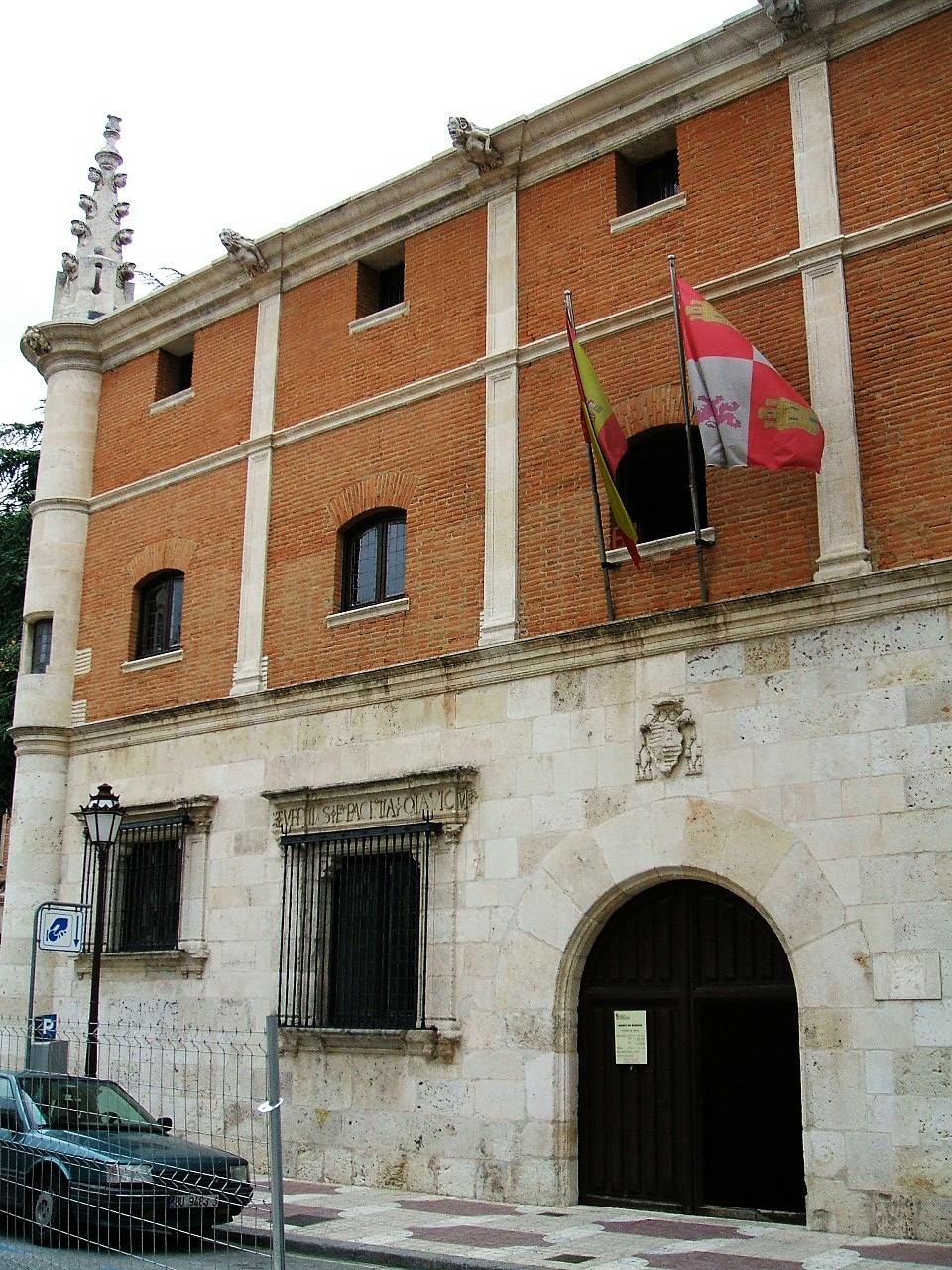
Nearby places

Earn badges for the places you visit
Download NextOnTrip, discover new places and check off your trails.