About this place
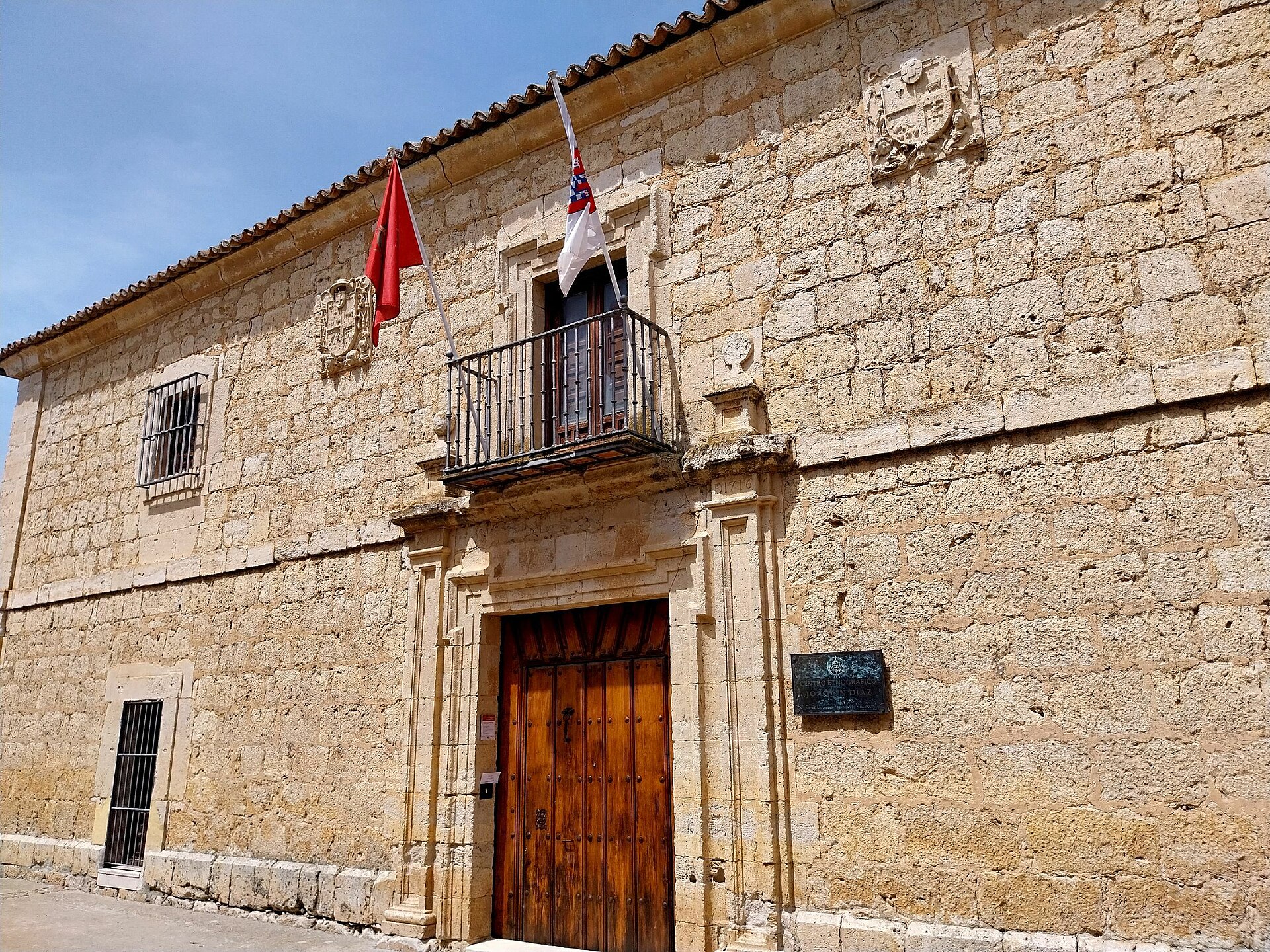
The Joaquín Díaz Ethnographic Museum in Urueña is one of the most distinctive cultural stops in the province of Valladolid — a compact center packed with material on the traditional folk culture of Castile and León. The institution grew out of an agreement signed in 1985 between the Provincial Council of Valladolid and folklorist and musician Joaquín Díaz, who agreed to donate his private collections for public display. The ethnographic center opened its doors in March 1991 and has operated since as the Joaquín Díaz Foundation.
Where is it and how do you get there?
The museum occupies an 18th-century mansion owned by the province, adapted to house the collection. It sits inside Urueña itself, a small walled town roughly 50 km north of the city of Valladolid, best known as "Villa del Libro" (Book Town) for the unusual concentration of bookshops packed within its old defensive walls. Driving is by far the easiest way in, whether from Valladolid or Medina de Rioseco; the town also works well as a day trip from Palencia or Zamora. Urueña itself is tiny, so it's a short walk from any parking spot to the museum entrance.
What will you actually see inside?
The exhibition is organized around a few core collections. The centerpiece is a set of roughly 300 traditional musical instruments from Castile and León, donated by various collectors — bagpipes, drums, castanets, and other tools of regional folk music. Alongside it sits an extensive library and sound archive specializing in songbooks, ballads, tales, legends, proverbs, riddles and other forms of popular literature, holding around 1,500 folklore recordings gathered from across the world. The collection is rounded out by engravings depicting traditional regional costumes and a set of "pliegos de cordel" — cheap popular broadsheets that for centuries spread songs, stories and news among audiences who often couldn't read.
Who is this museum for?
The place functions both as a research center and as an open visitor exhibition — it draws ethnographers and musicologists after primary source material, alongside travelers exploring the region for genuine traces of folk culture. The exhibition space is compact, so a visit usually takes 45 minutes to an hour, which fits comfortably into a short stop while passing through Urueña.
When is the best time to visit?
The museum operates year-round, though like many small cultural institutions in the region it may run reduced hours outside peak season or on certain weekdays — it's worth checking current opening times on the foundation's website or calling ahead before you go. Spring and early autumn are good windows for pairing a museum visit with a walk along Urueña's town walls and bookshops, when the weather is mild and the town quieter than at the height of summer.
Frequently asked questions
What makes this different from a typical regional museum? The collection isn't a generic assortment — it's the private lifetime collection of one folklorist, Joaquín Díaz, donated to the province under a 1985 agreement. That gives the exhibition an unusually coherent, personal character.
How long should I plan for a visit? Given the modest size of the exhibition space, 45 to 60 minutes is generally enough to see the instruments, engravings and library section.
Can I combine this with other things to see in Urueña? Yes — Urueña is the "Town of the Book," with numerous bookshops tucked inside its medieval walls, so the museum pairs naturally with a short walk through the historic center.
Is the museum suitable for children? The exhibition leans educational and is aimed mainly at visitors interested in folklore and traditional music, though the instruments and costume engravings can still catch the interest of younger visitors accompanied by an adult.
Nearby places

Earn badges for the places you visit
Download NextOnTrip, discover new places and check off your trails.