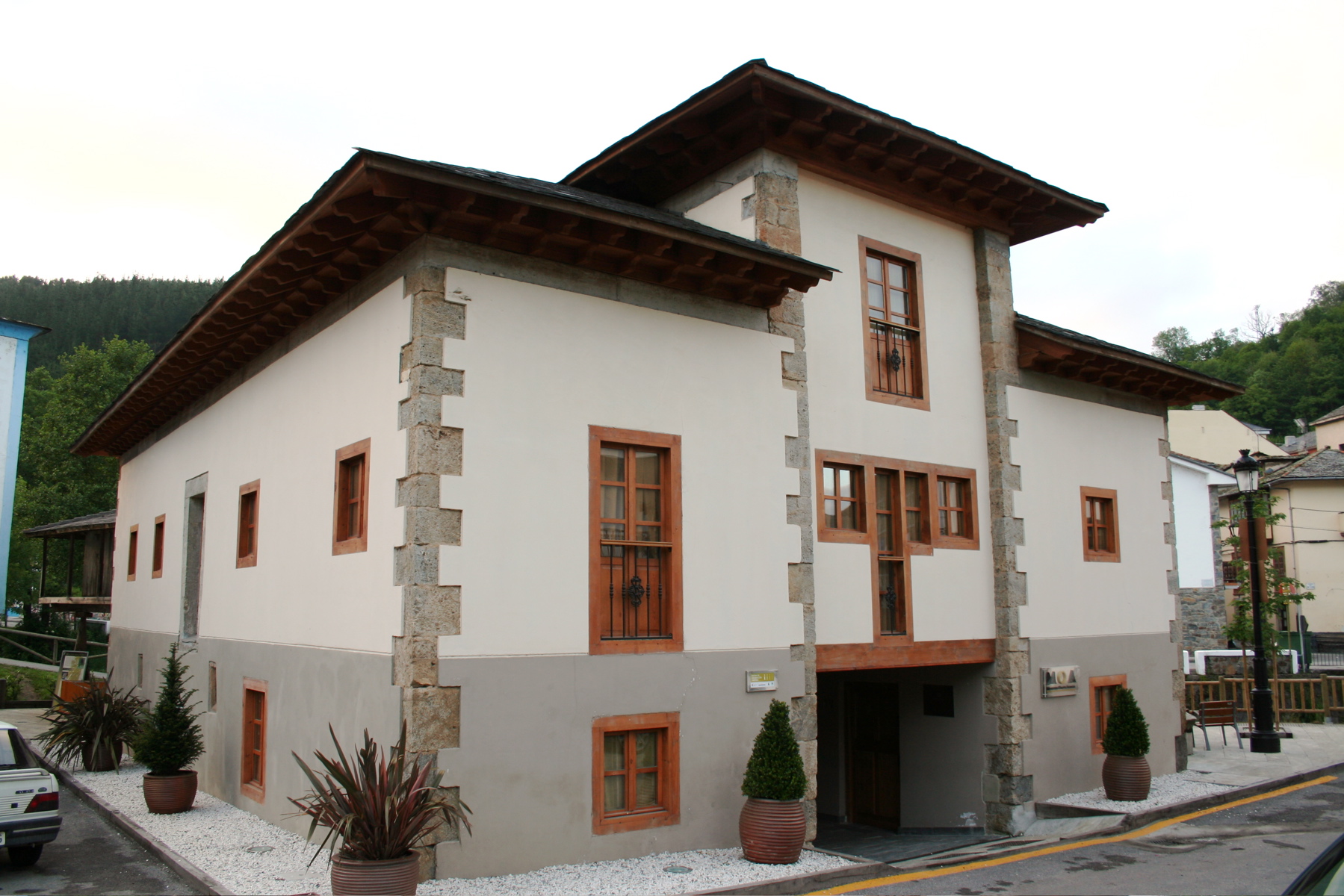
About this place
Asturias Gold Museum sits in Navelgas, a small village belonging to the municipality of Tineo in western Asturias. The exhibition tells the story of gold mining in the region and the techniques used for centuries to separate the metal from the sand of mountain rivers.
What is there to see inside?
The displays walk visitors through the different stages of gold prospecting, from simple hand sieves and wooden troughs to the equipment later used for larger-scale extraction. A dedicated section covers the Roman period, when the valley of the Narcea river was one of the more significant gold-producing areas of the Iberian Peninsula. Mining tools, ore samples, and tiny flecks of gold recovered from local streams are all on display.
The museum goes beyond static cases: staff regularly run panning demonstrations, showing the traditional technique of swirling river sand in a pan to separate out grains of gold. Visitors are often invited to try the method themselves under guidance, which tends to be one of the highlights for families travelling with children.
How do you get to Navelgas?
Navelgas lies inland, in the mountainous part of Asturias, roughly half an hour by car from the centre of Tineo. Driving is by far the most practical option, since the approach winds through narrow, scenic valleys along the Narcea river, framed by forest and pasture typical of Asturias' interior. The nearest major city is Oviedo, usually around ninety minutes away by road. Public transport options are limited, so it's worth checking local bus schedules serving Tineo and the surrounding villages before relying on them.
When is the best time to visit?
Spring and summer are the most popular seasons, when mountain weather is more stable and the river valleys are at their greenest — this is also when outdoor panning demonstrations tend to run more often. Autumn brings striking colour to the surrounding forests, while winter visitors should confirm opening hours in advance, since smaller Asturian towns often adjust their schedules outside the main tourist season.
What else can you combine with the visit?
Navelgas sits along a route favoured by travellers interested in nature and the region's mining history. From here it's easy to continue exploring the Narcea valley, long associated with gold prospecting dating back to Roman times. The stop works well for anyone interested in industrial history and geology, or for those planning a longer stay in the Tineo area.
Frequently asked questions
Can visitors pan for gold themselves? Yes — during the museum's demonstrations, visitors can try the traditional panning technique under an instructor's supervision, making it one of the main draws for families.
How long does a visit take? A typical visit, including the exhibition and a panning demonstration, takes between one and two hours, depending on whether you join a hands-on session.
Is it easy to reach without a car? Public transport to Navelgas is limited, so travelling by car is strongly recommended, ideally combined with other stops around the municipality of Tineo.
Why is a gold museum located here specifically? The Narcea river valley, where Navelgas sits, was historically one of Asturias' gold-producing areas, with mining activity dating back to Roman times — that tradition is the reason the museum was established in this location.
Nearby places

Earn badges for the places you visit
Download NextOnTrip, discover new places and check off your trails.