About this place
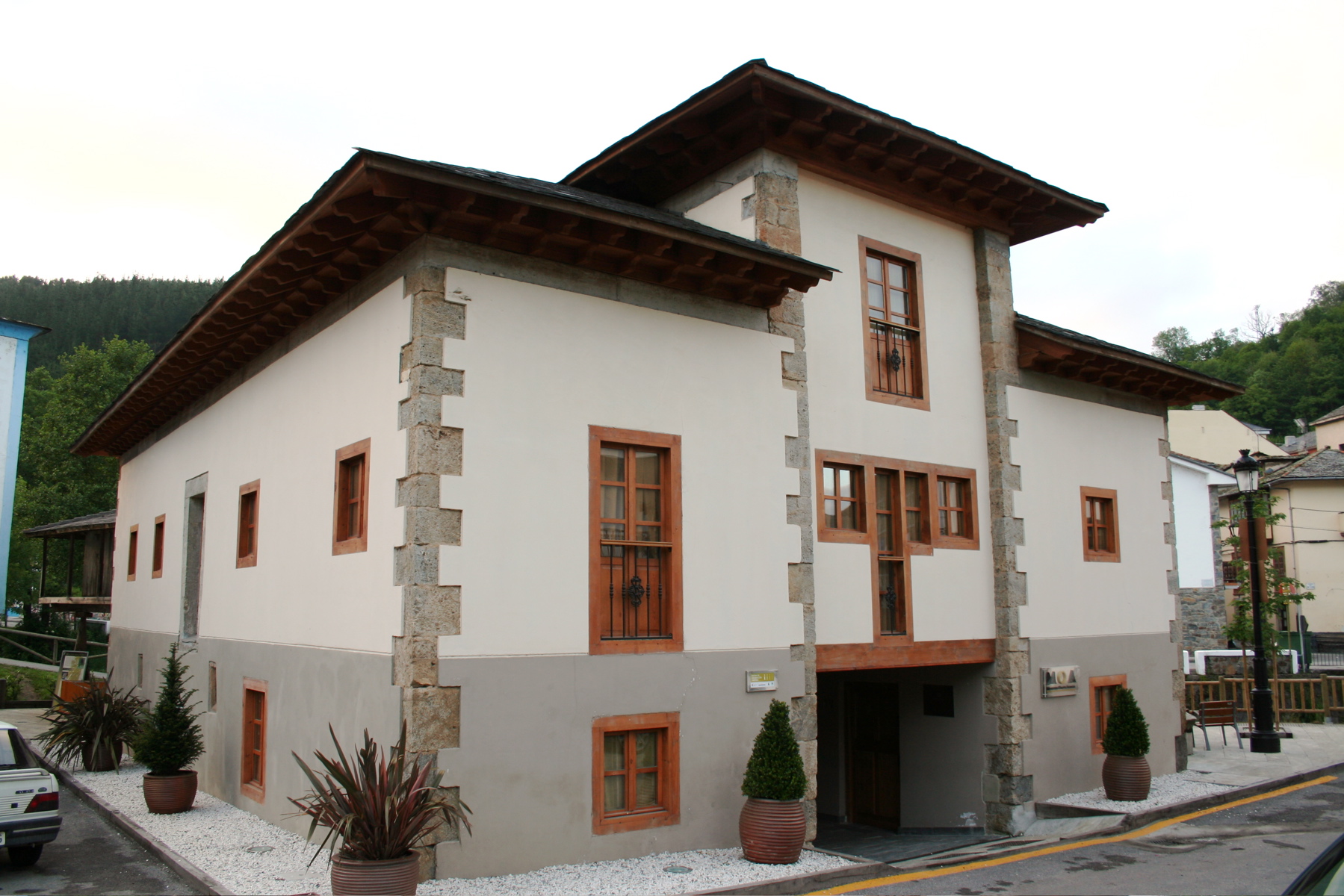
Museo Vaqueiro de Asturias, in the municipality of Tineo, is a small ethnographic museum dedicated to the vaqueiros de alzada, a community of transhumant herders who for centuries moved their cattle between coastal winter pastures and mountain summer settlements in inland Asturias. The museum sits away from the town center, in the parish of Naraval a short drive from Tineo, making it a destination for travelers interested in the region's rural, pastoral heritage rather than its urban sights.
What will you see there?
The exhibition is split into two parts. The first is in Naraval itself and reconstructs a traditional vaqueiro house, complete with furnishings, herding tools and everyday objects that show how this social group lived — a community that for generations was treated in Asturias as separate, and often looked down upon. The second part is located in Folgueras del Río, in a braña, a highland pastoral settlement used in summer when herds were driven up to higher grazing grounds. There you'll find another historic house alongside an audiovisual room with illustrations, drawings and information panels explaining the daily routines and customs of the vaqueiros de alzada.
This split between a winter house and a summer braña is exactly what captures the logic of transhumance, the seasonal herding migration that shaped this group's way of life.
How do you get there?
Museo Vaqueiro de Asturias lies in the municipality of Tineo, in western Asturias, near coordinates 43.425, -6.536. Driving is by far the most practical option — a local road connects Tineo's town center to Naraval in a matter of minutes. It's worth planning ahead, since the museum sits in a small rural setting with limited tourist infrastructure: there's no regular public transport link, and signage along the way can be sparse.
When should you go? Opening hours
In summer, from July 15 to September 15, the museum is open daily from 11:00 to 14:00 and 16:00 to 20:00. Outside that window, visits are only possible by prior phone appointment. That's a common setup for smaller rural museums in Asturias, so it's worth calling ahead before you show up, especially in autumn and winter, to avoid finding the doors closed.
Who is it for?
The museum will appeal most to visitors interested in ethnography, social history and rural life in northern Spain. It makes a good complement to a stop in Tineo for travelers who want to go beyond the usual viewpoints and learn about a lesser-known but distinctive herding tradition of the region. Given its small scale and off-the-beaten-path location, it's worth combining the visit with other things to do around Tineo, such as walking through the mountain brañas or trying the local cuisine.
Frequently Asked Questions
Where exactly is the museum located? In the parish of Naraval, in the municipality of Tineo, western Asturias — the exhibition is split between Naraval and a nearby braña in Folgueras del Río.
Who were the vaqueiros de alzada? A group of transhumant herders from western Asturias who moved their livestock seasonally between lowland and mountain pastures; the museum documents their history, customs and way of life.
Is the museum open year-round? It keeps fixed hours only in summer (July 15 to September 15); outside that period, visits require a prior phone appointment.
Do you need a car to get there? It helps a lot — the museum is in a rural area near Tineo with no regular public transport, so having your own transport is the most practical way to reach it.
Nearby places

Earn badges for the places you visit
Download NextOnTrip, discover new places and check off your trails.