- Museums
- Local Museums
Centro de Interpretación de la Emigración e Instrucción Pública
About this place
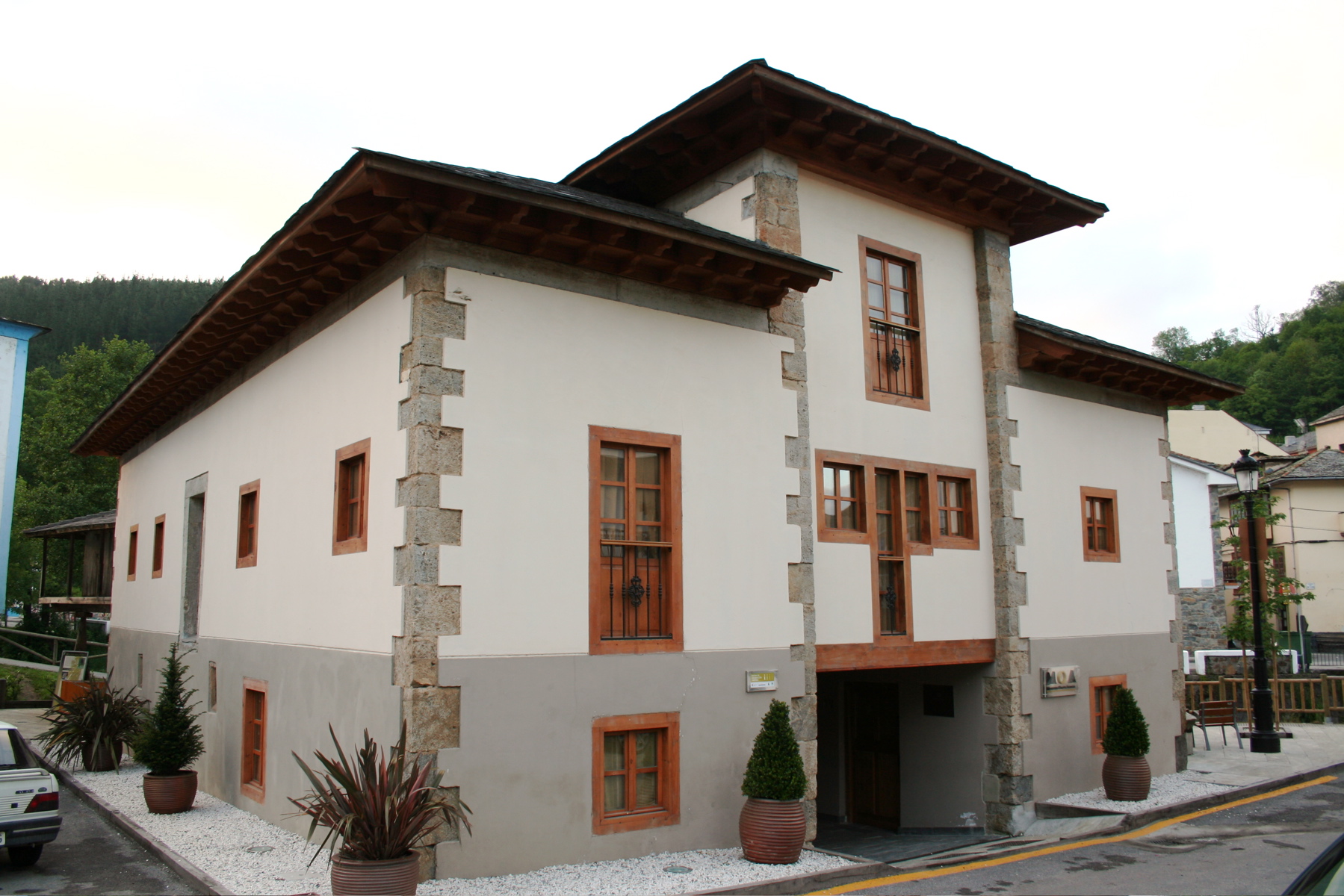
Centro de Interpretación de la Emigración e Instrucción Pública is a small museum in San Luis, a village within the municipality of Boal in western Asturias. Housed in a former rural school, it tells the linked story of overseas emigration from the region and how the money emigrants sent home reshaped local education.
Where exactly is it?
The center sits on the AS-12 road, around the kilometer 25.750 marker, which connects Navia and Grandas de Salime, roughly 2 km from the center of Boal. The setting is rural and quiet, and the building itself — a schoolhouse from the 1920s — is part of the attraction.
Why was this school built here?
The building was raised by the Sociedad de Instrucción de los Naturales del Concejo de Boal, an association founded in 1911 in Havana by people from Boal who had emigrated to Cuba in search of a better life. Groups like this — often called "indianos," emigrants who made money in the Americas and reinvested it back home — were common across Asturias in that era, but few left as concrete a legacy as this network of schools, built entirely with money earned overseas.
What will you see inside?
The centerpiece is a reconstructed classroom, furnished with original desks and teaching materials taken from schools that Boal's emigrants funded across the municipality. The exhibition walks visitors through several threads: why people left for the Americas in the first place, the personal stories of local emigrants who found success abroad, how the Havana-based society came together, and how emigrant capital translated into new schools being built throughout the area. It's an unusual museum in that it ties migration history directly to the history of local education.
Is there more to see nearby?
From July onward, the municipality of Boal runs guided walking tours through the surrounding villages focused on "indiano" architecture — the grand houses and buildings that returning emigrants built with their overseas fortunes. Pairing a museum visit with one of these walks gives a fuller picture of how that money reshaped the landscape. There's also a sister center nearby dedicated to the area's old public laundries (lavaderos), which can be visited as part of the same outing.
When should you visit, and what does it cost?
The center opens seasonally, from July 1 to September 30, on Tuesdays, Wednesdays and Fridays, 10:30am to 6:00pm. A guided visit runs about 30 minutes, with groups capped at 25 people — outside those months it's worth calling ahead to check availability. Adult admission is €2, reduced admission (children and seniors) is €1.50, and children under 5 go free. Groups of 15 or more pay €1.50 per person but need to book in advance. Entry is free for everyone on Tuesdays, and combined tickets covering other local museums in the municipality are also available.
Frequently asked questions
Where exactly is the Centro de Interpretación de la Emigración e Instrucción Pública? In San Luis, a village in the municipality of Boal in western Asturias, on the AS-12 road, about 2 km from the center of Boal.
How long does a visit take, and do you need to book? A guided visit takes about 30 minutes. Groups larger than 15 people need to reserve a slot in advance by phone or email.
When is the center open? During the summer season, from July 1 to September 30, on Tuesdays, Wednesdays and Fridays, 10:30am to 6:00pm.
Is there anything else worth seeing nearby? Yes — from July, guided tours cover the region's "indiano" emigrant architecture, and there's a nearby center dedicated to Boal's historic public laundries.
Nearby places

Earn badges for the places you visit
Download NextOnTrip, discover new places and check off your trails.