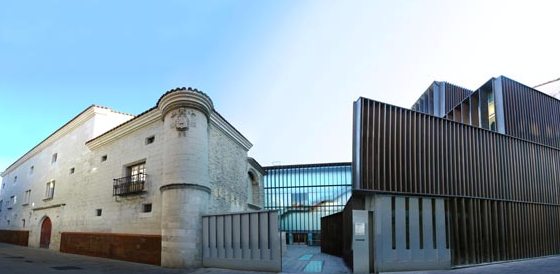
About this place
The Fournier Museum of Playing Cards in Vitoria-Gasteiz is one of the very few museums in the world dedicated entirely to playing cards. Its collection dates back to 1916, when Félix Alfaro Fournier, grandson of the founder of the renowned Naipes Heraclio Fournier company, began assembling decks from around the globe. The private collection eventually grew significant enough to be declared a Bien de Interés Cultural (an asset of cultural interest) in 1984, prompting the government of Álava province to acquire it and open it to the public.
How do you get there?
The museum occupies the Bendaña Palace, one of the standout historic buildings in Vitoria-Gasteiz's old town, which it has shared with the Álava Museum of Archaeology since 1994. Given its central location, walking is by far the easiest way to reach it — most visitors combine the trip with a stroll past the cathedral and the surrounding squares of the old quarter. If you're arriving from outside the city, the train or bus station is the usual starting point, with the historic center just a short walk away.
One thing worth planning around: the opening hours are unusual for a museum, skewing toward evenings rather than mornings. It's open Tuesday to Wednesday and Sundays from 18:00 to 23:00, and Thursday to Saturday from 18:00 until 1:00 in the morning. A standard daytime visit simply won't work here, so check the schedule before you go — or call ahead at +34 672 21 72 56 if you're unsure.
What will you see inside?
At the heart of the exhibition is a collection of playing cards spanning different eras and cultures — from European tarot decks to distinctive designs from Asia and the Americas. The pieces on display trace how playing cards evolved beyond mere entertainment, becoming a canvas for decorative art, religious symbolism, and even political propaganda. A substantial part of the holdings comes directly from the archives of the Fournier family, tied to one of Spain's oldest and most recognizable playing-card manufacturers.
Because the building is shared with the Álava Museum of Archaeology, a visit here often turns into two experiences under one roof — ancient artifacts on one side, the modern history of card and board games on the other. The Bendaña Palace itself, with its distinctive stone façade and interior courtyard, is also worth a look as an example of the bourgeois architecture of old Vitoria.
When should you visit?
Given the evening opening hours, this museum fits naturally into an afternoon or evening itinerary — for example after lunch, once the main daytime sights in the center have already been covered, and away from the summer heat or winter chill. It's also a solid choice for travelers spending their days exploring other parts of the Basque Country and reserving evenings for Vitoria-Gasteiz itself. Plan for 45 minutes to an hour, depending on whether you also tour the archaeology wing.
Frequently Asked Questions
Is the Fournier Museum of Playing Cards a large museum? No — it's a compact, single-theme museum built around one collector's passion, and most visitors can see it all in under an hour.
Where does the museum's name come from? From the Fournier family, specifically Félix Alfaro Fournier, grandson of the founder of Naipes Heraclio Fournier, who started the private card collection in 1916.
Does it share a building with any other attraction? Yes — since 1994 it has occupied the Bendaña Palace together with the Álava Museum of Archaeology, making it easy to visit both in one trip.
Do you need to book tickets in advance? Given its niche appeal and lower visitor volume compared to major attractions, advance booking usually isn't necessary, but it's worth calling ahead to confirm current opening hours before you go.
Nearby places

Earn badges for the places you visit
Download NextOnTrip, discover new places and check off your trails.