About this place
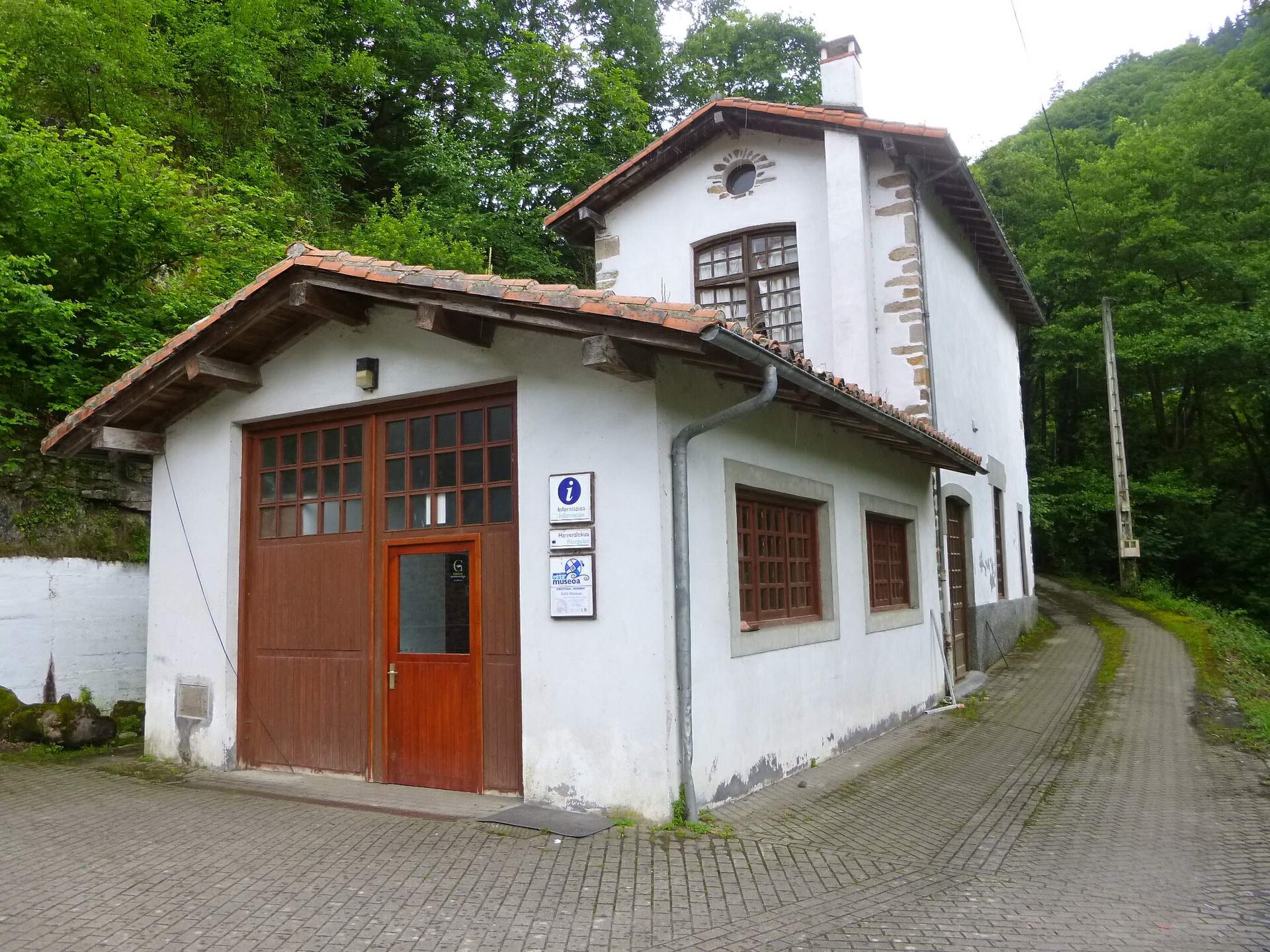
Museo de Alfarería Vasca in Legutio is a working pottery museum set in the hamlet of Ollerías, part of the village of Elosu within the municipality of Legutiano, in Álava, Basque Country. It's one of the few places in the region where you can trace the full story of traditional Basque pottery inside a building that was once an actual production workshop.
Where exactly is the museum?
Ollerías sits in a quiet rural pocket of Álava between the Urkiola and Gorbeia natural parks, right on the shore of the Urrunaga reservoir. It's an easy drive of around fifteen minutes from Vitoria-Gasteiz, and Legutiano itself lies along the road connecting Álava's capital with Durango and Bilbao, making it a natural stop if you're touring the Gorbeia area.
What's the story behind the building?
The museum occupies a former pottery workshop, or ollería, built in 1711. Generations of the Ortiz de Zárate family worked the clay here, supplying earthenware to the surrounding villages. Production stopped in 1958, when the construction of the Urrunaga reservoir flooded the land the potters relied on for raw clay — without that source, the workshop couldn't continue. The building survived, was later restored, and reopened to the public as a museum in 1993.
What will you actually see inside?
The permanent collection holds around 380 pieces, grouped by the original purpose of each object: cooking and fire-use ceramics, tableware, containers for transporting and storing water, vessels for preserving food, pieces with a religious or decorative role, and ceramic elements once used in construction. Walking through the sections gives a clear sense of how central clay was to everyday rural life in the Basque Country — from the kitchen to the roof.
What is a visit like?
Beyond the exhibition hall, the museum keeps part of the building running as an active workshop, where potters still shape pieces on the wheel in front of visitors. Visits are guided, covering the history of the pottery trade across Álava and the wider Basque Country and the changing role of the alfarero, or potter, over the centuries. Some group visits are paired with a tasting of local products. On the way out, a small shop sells ceramics made today using the same hand techniques as the original workshop.
When should you visit?
The museum opens Monday to Friday from 10:00 to 13:00 and 16:00 to 19:00, and Saturdays from 10:00 to 14:00. It stays closed on Sundays and public holidays. Anyone organizing a group visit, or wanting to confirm current ticket prices, should contact the museum directly by phone or email — booking ahead is particularly worthwhile if you want the tasting included.
Because the workshop is still active, this is a good stop for travelers exploring the Gorbeia area who want something more hands-on than a glass-case museum — the craft here is still being practiced, not just displayed.
Frequently Asked Questions
How do I get to Museo de Alfarería Vasca? The museum is located in the Ollerías hamlet in Elosu, within the municipality of Legutiano. Driving is the easiest option — the village sits on the road between Vitoria-Gasteiz and Durango/Bilbao, close to the Urrunaga reservoir.
Is the visit guided, and how long does it take? Visits come with a guide who explains the history of pottery-making in the region and shows the active workshop in operation. Some groups also add a tasting of local products, so it's worth booking that option in advance.
Can you buy pottery at the museum? Yes, there's a shop on site selling ceramics made using the same hand-thrown techniques as those practiced in the original 18th-century workshop.
Why did the original workshop stop operating in 1958? The construction of the Urrunaga reservoir flooded the clay deposits the Ortiz de Zárate family had relied on for generations. With no raw material left to work, the pottery activity ended, and the building sat unused until it was restored and reopened as a museum in 1993.
Nearby places

Earn badges for the places you visit
Download NextOnTrip, discover new places and check off your trails.