About this place
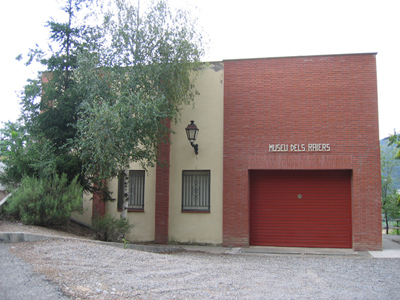
Museo de los Almadieros (Catalan: Museu dels Raiers) in Coll de Nargó is a small museum dedicated to the almost-forgotten trade of the almadiero, or raier — the raftsmen who floated timber down the Segre River from the Pyrenees. The museum occupies a former chapel dedicated to Our Lady of the Rosary, patron saint of the trade, and forms part of the Alt Urgell "Route of the Professions of Yesterday."
What did the almadiero trade involve?
Before trucks and river dams took over, logs cut in the Pyrenees had to reach the sawmills and processing centers on the plains and coast somehow. Almadieros solved this by lashing the logs together into large rafts called almadías and steering them downriver on the current. It was physically demanding, dangerous work: rafts had to navigate rock shelves and narrow gorges, and accidents were part of the job. The last raft to leave Coll de Nargó down the Segre ran in 1932, marking the practical end of the trade.
What will you see inside?
The exhibits cover the tools, raft-building techniques, and daily life of the raftsmen who worked the Segre out of Coll de Nargó and neighboring villages. The museum opened in 1998 and is one stop on a countywide trail promoted by the Alt Urgell council that groups together several sites tied to traditional local trades — worth pairing with other stops nearby.
Why is the museum inside a chapel?
The building was originally a chapel dedicated to Our Lady of the Rosary, who was venerated as the patron saint of the almadieros. Housing the museum there reflects how central religious ritual was to the raftsmen's lives — they would seek her protection before setting off on a genuinely dangerous journey downriver.
How do you get to Coll de Nargó?
Coll de Nargó sits in the Alt Urgell county, Lleida province, on the Segre River, along the road connecting Lleida with the Pyrenees. The village is easily reached by car via the local road that follows the river valley, making it a straightforward stop for anyone touring this part of Catalonia. The museum itself sits in the village center, inside the former chapel, an easy walk from anywhere in Coll de Nargó.
When is the best time to visit?
Spring and summer are the most practical seasons, when longer daylight hours and steadier weather make it easier to combine the museum with other stops around Alt Urgell. Because it's a small, community-run museum, it's worth checking opening hours in advance, since schedules can be limited outside peak season.
Frequently asked questions
What did the almadieros of Coll de Nargó actually do? They were raftsmen who lashed logs cut in the Pyrenees into rafts called almadías and floated them down the Segre River to processing centers on the plains, before trucks and dams replaced the trade.
When was the museum founded? The Museo de los Almadieros opened in 1998, inside a former chapel dedicated to Our Lady of the Rosary in the center of Coll de Nargó.
Why is it housed in a chapel? Our Lady of the Rosary was the patron saint of the almadieros, so the chapel once dedicated to her became the natural home for a museum telling their story.
Can this be combined with other sights nearby? Yes — the museum is part of the Alt Urgell trail of traditional trades, so it pairs well with other stops on that same route around Coll de Nargó.
Nearby places

Earn badges for the places you visit
Download NextOnTrip, discover new places and check off your trails.