About this place
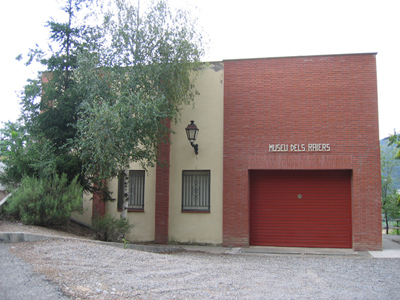
Museum of the Vineyard and Mountain Wine sits in el Pont de Bar, a small village in the Alt Urgell county of Catalonia, right where the Segre river valley opens onto the Cerdanya region. Housed in Cal Teixidoret, an old stone farmhouse, the museum tells a story most visitors would never guess by looking at these mountains today: for generations, this was wine country.
Vineyards on a mountainside — how did that work?
It sounds unlikely, but steep Pyrenean slopes around Pont de Bar were once covered in terraced vineyards. These stone terraces, still traceable in the landscape, ran from the banks of the Segre river all the way up to the villages of Aristot and Castellnou de Carcolze. Building and farming them took generations of manual labor — a genuine feat of traditional engineering, all in service of squeezing a living out of unforgiving terrain.
What ended mountain winemaking here?
Phylloxera. This tiny insect devastated vineyards across Europe in the late 19th century, and Pont de Bar's terraces were no exception. Families who had farmed grapes for generations had no choice but to pivot: vineyards gave way to cattle and sheep. The museum treats this shift as its central turning point, showing how a single agricultural crisis could reshape an entire region's economy almost overnight.
What's inside the museum?
The exhibition unfolds across two floors of the farmhouse. The ground floor walks through the winemaking process itself — harvesting, pressing, fermentation, and cellar storage. Upstairs, the focus shifts to viticulture in mountain conditions: the tools farmers used, the techniques behind terracing steep slopes, and the daily rhythms of a community that depended on its vines.
Who is this museum for?
This is not a large, polished attraction — it's a small, authentic ethnological museum, and that's exactly its appeal. The building itself, a genuine former farmhouse, adds texture you won't find in a purpose-built exhibition space. Anyone interested in local history, traditional agriculture, or the quieter corners of the Pyrenees will find it worthwhile, especially paired with a short walk to spot the old terrace lines still climbing the hillsides toward Aristot and Castellnou de Carcolze.
How do you get to el Pont de Bar?
The village sits in Alt Urgell, northern Catalonia, along the route connecting Cerdanya with La Seu d'Urgell, following the Segre river. It makes a natural stop for travelers exploring the Pyrenees who want something more grounded and less touristy than the region's bigger draws.
Frequently asked questions
Where exactly is the museum located? In el Pont de Bar, in the Alt Urgell county of Catalonia, inside the former Cal Teixidoret farmhouse.
What is the exhibition about? The history of mountain viticulture — from the traditional terraced vineyards to the phylloxera outbreak of the late 19th century, which forced farmers to switch to raising livestock.
How many floors does the exhibition cover? Two: the ground floor explains winemaking, while the upper floor covers vineyard cultivation.
Can you still see traces of the old vineyards nearby? Yes — the old terraces remain visible in the landscape between the Segre riverbanks and the villages of Aristot and Castellnou de Carcolze.
Nearby places

Earn badges for the places you visit
Download NextOnTrip, discover new places and check off your trails.