Monuments in Poland
A guide to 940 Monuments in Poland — with descriptions, photos and traveler visits from the NextOnTrip community. Locations spread across 551 cities and towns. Most visited by the community: Sanguszko Palace in Gumniska, Działdowo Castle, Palace in Nowa Wieś Rzeczna.
-

Old Castle in Żywiec
Żywiec
Old Castle in Żywiec is a historic castle in the town of Żywiec, in the Silesian Voivodeship of southern Poland. As one of the area’s notable landmarks, it speaks to the town’s long and layered past and fits well into a visit focused on local heritage and architecture. It offers a short sightseeing stop for travelers who want to get a feel for Żywiec’s history. Na miejscu można liczyć przede wszystkim na: a historic castle setting that stands out as one of Żywiec’s key landmarks a chance to explore the town’s heritage through a place closely tied to its long history architecture and surroundings that make it a natural stop for visitors interested in local sights For a visit here, it is worth planning a relaxed stop while exploring Żywiec, especially if you are already walking through the town center. Comfortable shoes will help, and this is a good choice for anyone looking for a brief, culture-focused outing with a historical atmosphere.
-

Dworek Karscha w Kielcach
Kielce
Dworek Karscha in Kielce is a historic manor house tied to the city’s 19th-century growth. It reflects the character of a former suburban residence and stands as one of the local heritage sites connected with Kielce’s past. For visitors, it works well as a short stop on a walk through the historic parts of the city. Na miejscu można liczyć przede wszystkim na: A chance to see a manor house that represents the architecture of a former suburban residence. A heritage stop linked to Kielce’s 19th-century development and the city’s historical memory. An easy addition to a walking route through the historic areas of Kielce. If you plan to include it in a city walk, comfortable shoes will make the visit easier, especially if you want to combine it with other nearby historic spots. It is a good choice for travelers interested in local history and for anyone looking for a calm, low-key sightseeing stop in the city.
-

Radoliński Palace
Jarocin
Radoliński Palace in Jarocin is a 19th-century neo-Gothic residence associated with the Radoliński family. Set in the town park, it now houses the Jarocin Cultural Centre and remains one of the city’s key historic landmarks. It is a good stop for a short sightseeing walk. the neo-Gothic exterior, which gives the palace its distinctive 19th-century character the palace setting in the municipal park, making it easy to combine with a relaxed stroll the building’s current role as the home of the Jarocin Cultural Centre, so the site still has an active public function For a visit, it is worth pairing the palace with a calm walk through the park and checking opening times if you want to go inside. This is a good choice for travelers interested in local history, architecture, and an easy stop in the center of Jarocin.
-

Mausoleum of Struggle and Martyrdom
Warszawa
Mausoleum of Struggle and Martyrdom is a museum in Warsaw, Poland, and it operates as a branch of the Museum of Independence. It focuses on the wartime imprisonment of Polish patriots and resistance fighters under Nazi Germany during World War II. This is a place for reflective sightseeing and a short, thoughtful visit. Na miejscu można liczyć przede wszystkim na: an exhibition that explains the conditions in which Polish patriots and resistance fighters were held during World War II a visit to a museum branch connected with the Museum of Independence, which places the site in a broader historical context a solemn, educational stop in Warsaw for travelers interested in the history of occupation, resistance, and remembrance If you plan to visit, it is worth setting aside time for a quiet, unhurried stop and approaching it as a historical visit rather than a casual outing. Comfortable shoes and a calm schedule will make the experience easier to take in. It is a good choice for visitors who want a serious, history-focused place in Warsaw.
-
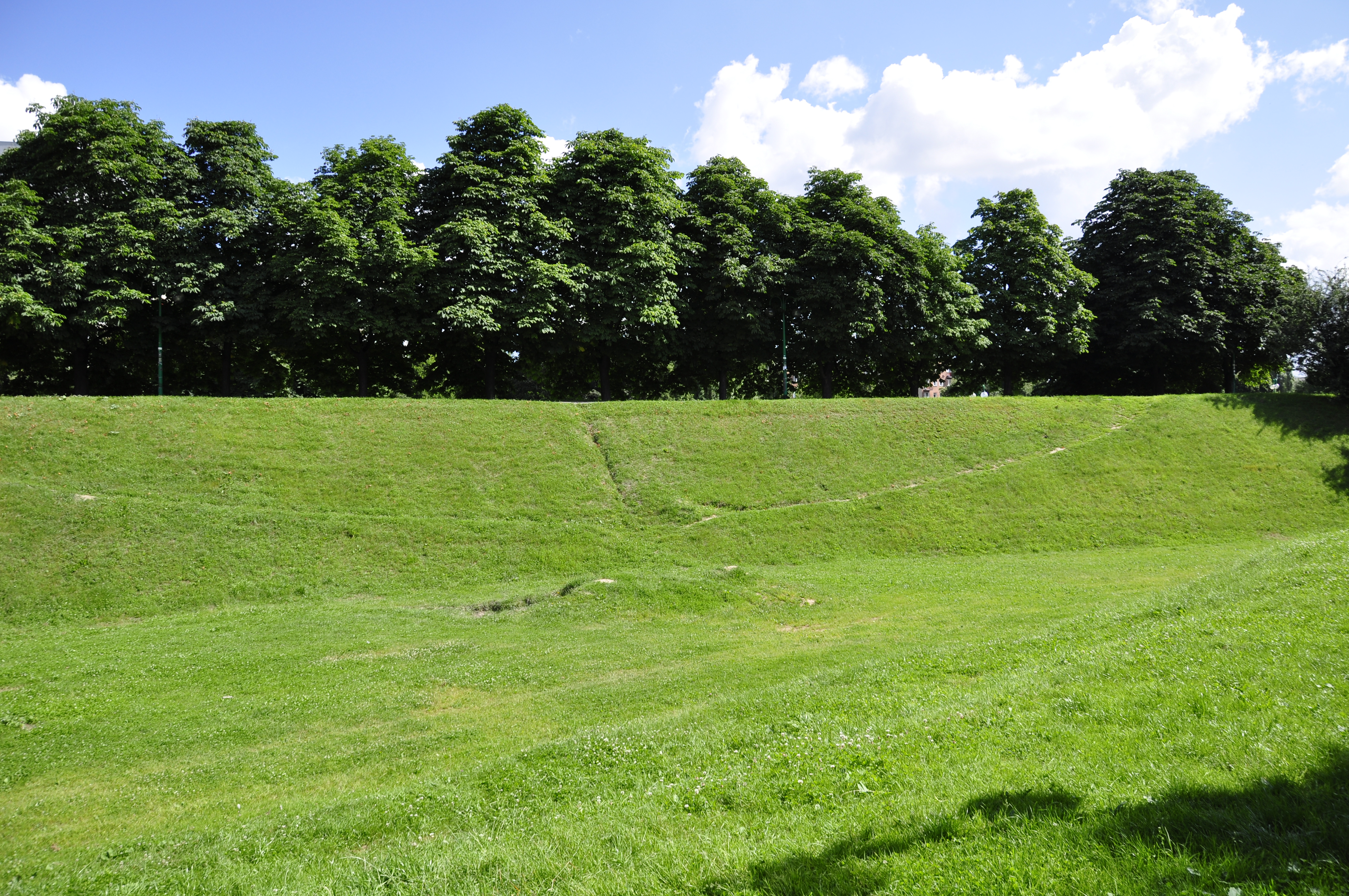
Fort Tscha-M
Warszawa
Fort Tscha-M is a historic fort in Warsaw and part of the 19th-century Warsaw Fortress, the defensive system that once protected the Polish capital. It is a place for anyone interested in the city’s military history and the strategic design of Russian-era fortifications. For visitors, it offers a short heritage-focused stop and a look at Warsaw’s former defensive ring. Na miejscu można liczyć przede wszystkim na: a chance to see a surviving element of the Warsaw Fortress and understand how the city was defended in the 19th century; traces of Russian-era military architecture, which show the practical, strategic thinking behind the fortifications; an off-the-beaten-path stop for travelers looking beyond Warsaw’s best-known landmarks to its lesser-seen heritage sites. If you plan to visit, it is worth checking the access conditions in advance and wearing comfortable shoes, especially if you want to combine it with other fortress-related sites in the city. This is a good choice for travelers who enjoy history, military architecture, and quieter sightseeing away from the main tourist routes.
-
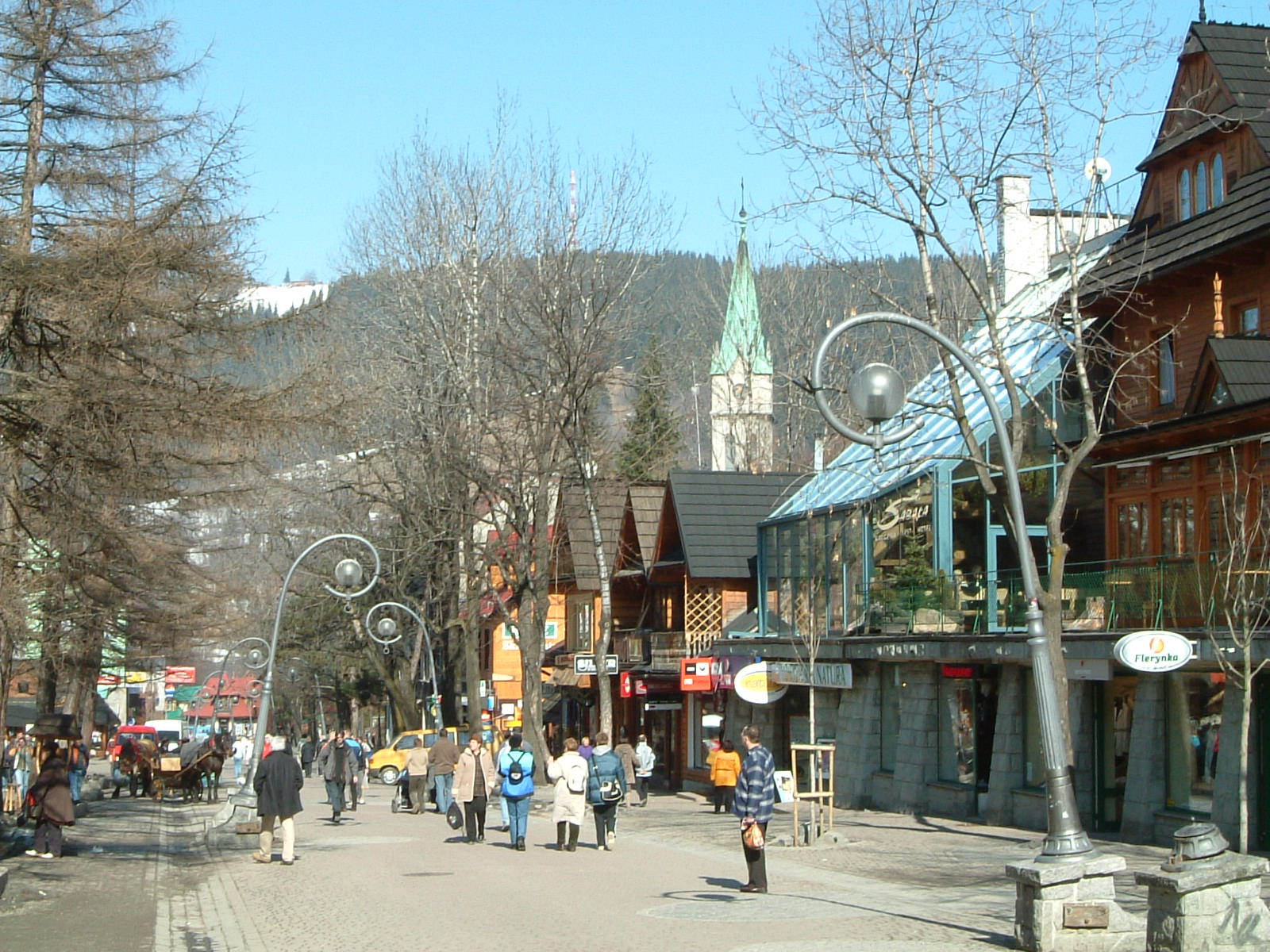
Krupowki Street
Zakopane
Krupówki is the main street of Zakopane and the axis around which the whole town has revolved for generations. If this is your first trip to the Tatra Mountains, this is where your first walk will usually begin: among timber buildings, regional restaurants, cafes and stalls selling highland crafts. Where does Krupówki run, and how did it get its name? The street starts at the junction with Nowotarska and Kościeliska streets. From there it runs for just over a kilometre to the south-east, climbing gently the whole way, until it meets Zamoyskiego Street and 3 Maja Avenue. The name comes from the Krupówki glade that once lay here. Traditionally, the name was also used for Zamoyskiego Street, so older descriptions of the town sometimes mix the two. What is there to see on Krupówki? This is one of the oldest streets in Zakopane, so alongside newer buildings you will find a good number of historic ones. It was once the road highlanders took on their way to work in Kuźnice, where ironworks operated. Today it is a busy promenade, especially in season. Nearby you can find: The Church of the Holy Family, built in the second half of the 19th century and one of the more interesting churches in town, The Tatra Museum, a key stop for anyone who wants to learn about the region's history, the nature of the Tatras and highland culture, many inns and shepherd-style restaurants serving regional food such as oscypek smoked cheese, sour cabbage soup and the robber's potato pancake, shops and stalls with wood, wool and leather goods, as well as traditional cheeses. Can you see the Tatras from Krupówki? Yes. As you walk up the street, the Tatra ridgelines rise ahead of you, and in good weather you can also pick out the distinctive profile of Giewont, whose shape is often compared to a sleeping knight. The lower station of the Gubałówka funicular is not far away, and from the top there is a wide panorama of Giewont, the Red Peaks, Kasprowy Wierch and the town itself. When is the best time to visit Krupówki? It is liveliest in summer, on long weekends and during the winter holidays, when crowds fill the promenade. If you prefer a calmer stroll, go in the morning or in late autumn. In the evening the street changes character: signs light up, highland music drifts out of the venues, and pubs and cafes fill with people. Krupówki is also a convenient starting point for longer trips. From here it is easy to reach the stops where minibuses leave for the Kościeliska Valley and Morskie Oko, as well as the trails towards Kuźnice and Kasprowy Wierch. Frequently asked questions How long is Krupówki? A little over a kilometre. A relaxed walk from one end to the other takes a quarter of an hour or so, though in season, with stops at stalls and shop windows, it usually takes longer. Is Krupówki a pedestrian street? It is a promenade-style street where pedestrians are the main presence. It is best explored on foot. Where does the name come from? From the former Krupówki glade on which the street was laid out. Is it a good place for lunch? Yes. Along the street and in the side streets there are many restaurants serving highland cuisine, from simple inns to more upscale venues. In season it is wise to book a table in advance. Is it worth coming outside the season? Definitely. Autumn and early spring are calmer, and the mountain views are just as good, often better thanks to clear air. If you are planning a stay in Zakopane, Krupówki is a must: it lets you feel the atmosphere of the town, enjoy a regional meal and plan your next days in the mountains.
-
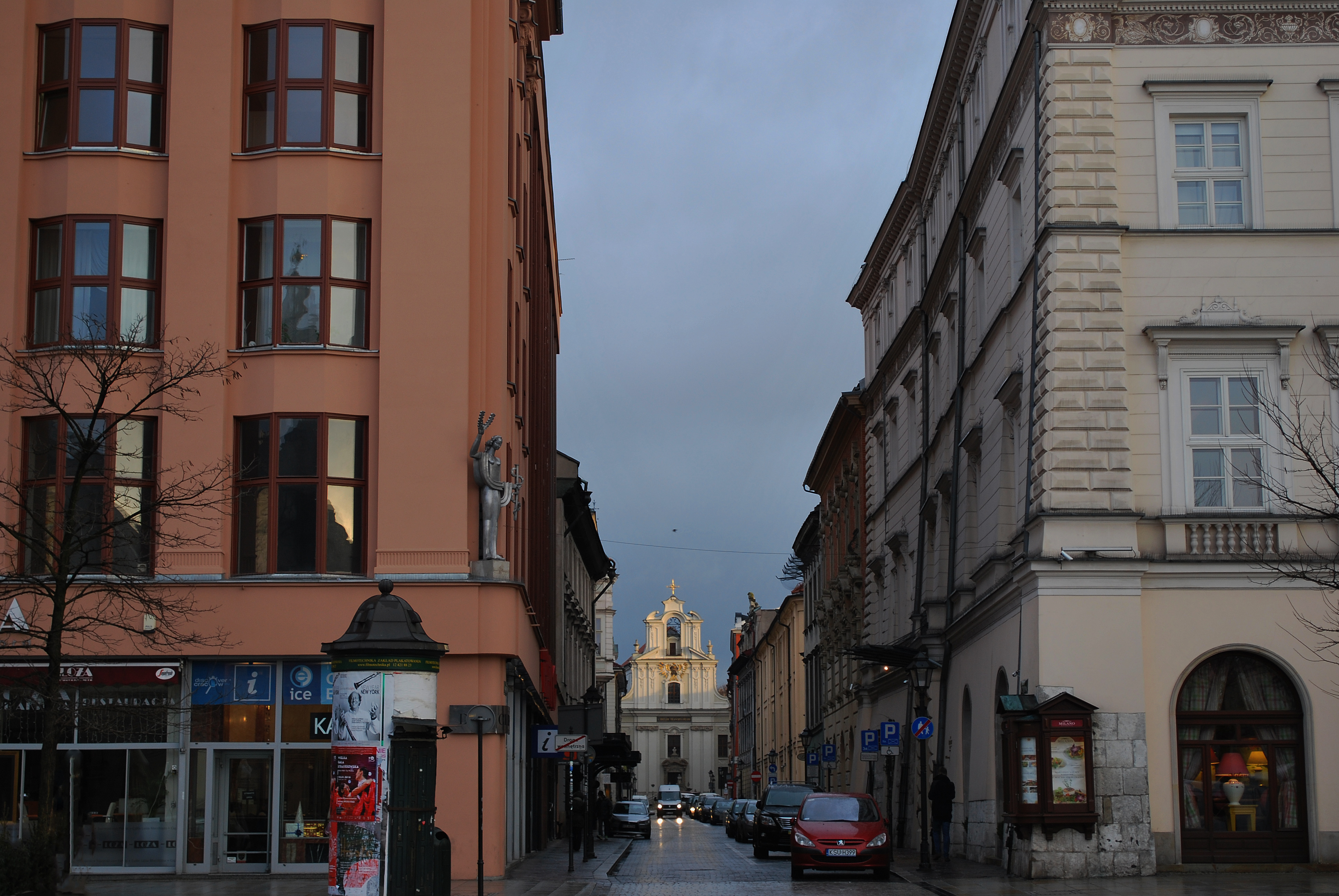
Świętego Jana Street
Kraków
St. John's Street (ulica św. Jana) in Kraków is one of the oldest and most prestigious streets of the Old Town. It is roughly 285 metres long and links the Main Market Square with Pijarska Street, leading from the heart of the city towards the northern part of the former walls. The stretch is short, yet it packs in an unusual amount of historic architecture. Where does the name St. John's Street come from? The street is named after the Church of St. John the Baptist and St. John the Evangelist. It appears in medieval records as early as the 14th century as platea S. Joannis Baptistae. The church stands on the corner with St. Thomas Street and belongs to the Presentation Sisters; its origins reach back to the time before the city's formal founding charter. The street name is therefore one of the earliest documented traces of Kraków's old topography. What is there to see on St. John's Street? The street is lined with townhouses and former palaces, many of them owned by magnate families. The names of the Czartoryski, Lubomirski, Popiel and Wodzicki families appear in the history of its buildings. For centuries this made it an urban residence for nobles who wanted to live close to the Market Square and the royal court on Wawel Hill. Pay attention to the details: portals, entrance halls, gateways and courtyards. Particularly well known is the townhouse at number 12, home to the Society of Friends of Kraków's History and Monuments. Its interiors, including the stone portal in the lower entrance hall, are often photographed and cited as an example of old Kraków burgher architecture. The historic houses of this street even have their own dedicated studies in the "Kraków Houses" series, tracing the history of individual properties and their owners across the centuries. Is St. John's Street protected? Yes. The street lies within Kraków's Old Town, inscribed on the UNESCO World Heritage List in 1978. As part of the Old Town complex it was also designated a Historic Monument of Poland in 1994. For visitors this means a walk along the street takes you through an exceptionally well-preserved medieval urban layout in which successive eras overlap: Gothic, Renaissance, Baroque and Neoclassical. How to plan a walk along St. John's Street The easiest way is to start at the Main Market Square and head north towards Pijarska Street. The whole stretch takes just a few minutes, but it is worth leaving extra time to peek into gateways, linger by the façades and look at the church on the corner with St. Thomas Street. Many other Old Town sights are close by, including St. Mary's Square, Floriańska Street and Collegium Maius, so the street works well as part of a longer route through the centre. The best light for photographing façades is usually in the morning and late afternoon, and outside the tourist season the street is noticeably calmer than the Market Square itself. Frequently asked questions How long is St. John's Street in Kraków? About 285 metres, running from the Main Market Square to Pijarska Street. Where does the name come from? From the Church of St. John the Baptist and St. John the Evangelist standing on the street. The name is known from sources dating back to the 14th century. Is it part of the UNESCO-listed Old Town? Yes, the street belongs to Kraków's historic centre, inscribed on the UNESCO list in 1978. Who built the palaces and townhouses here? Former owners include the Czartoryski, Lubomirski, Popiel and Wodzicki families, as well as wealthy burghers. How much time does a walk take? Walking it takes a few minutes, but with the details and the church allow about half an hour.
-
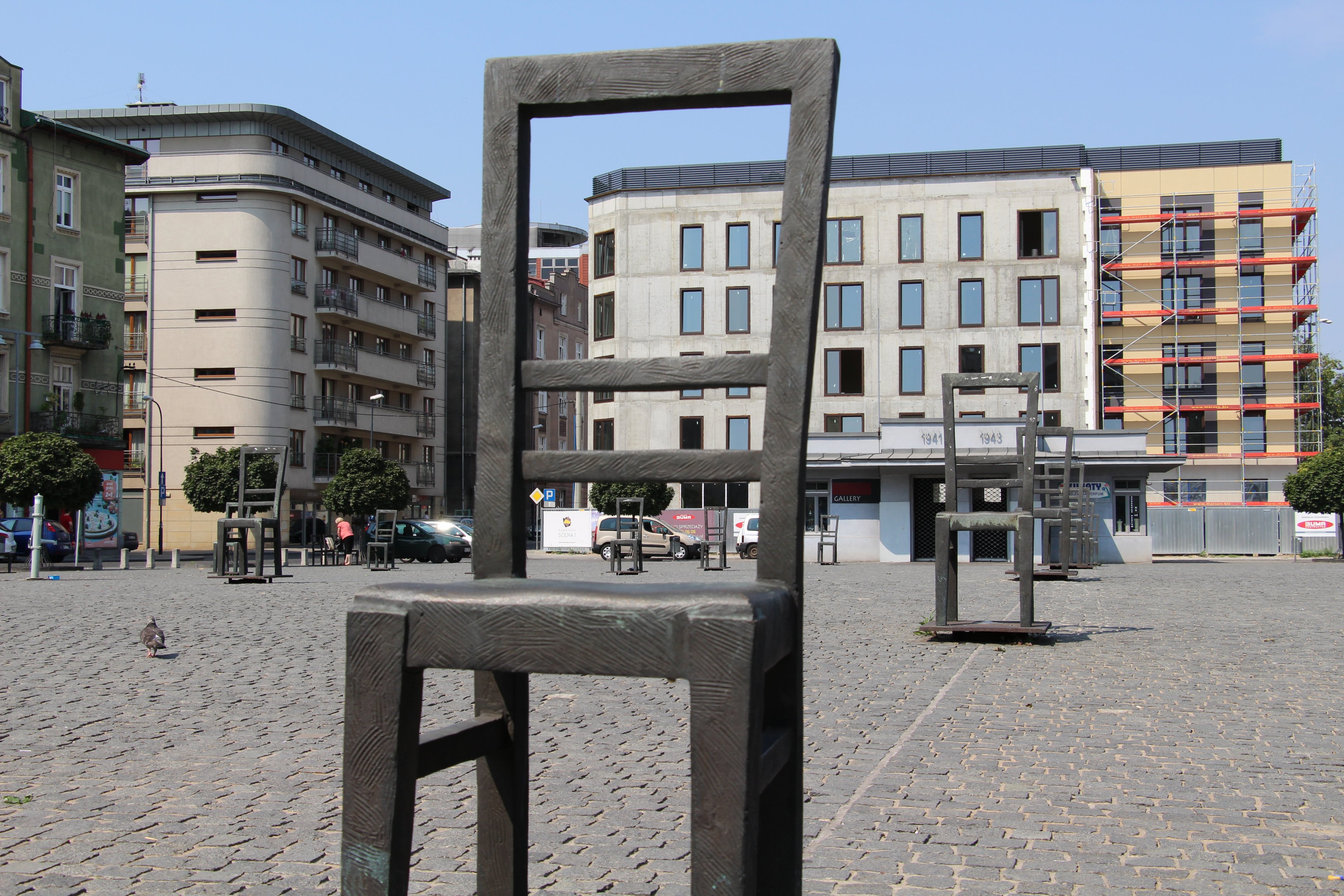
Ghetto Heroes Square
Kraków
Ghetto Heroes Square (Plac Bohaterów Getta) in Kraków's Podgórze district is one of the most moving memorial sites in Poland. A former market square that became the central point of the wartime ghetto, it is now filled with 70 large chairs, a symbol of the emptiness left by people who never came home. What is this place? The square was laid out in the first half of the 19th century. For decades it served as an ordinary Podgórze marketplace, and later as a bus stop, taxi rank and car park. Its older name, Plac Zgody (Concord Square), sounds bitter against what happened here during the German occupation. What is the history of the square? In spring 1941 the Germans created a ghetto in Podgórze for Kraków's Jewish population. The square became its largest open space and the site of daily roll calls. Selections were carried out here, groups were sent from here to camps, and the most tragic scenes unfolded during the ghetto's liquidation in March 1943. Residents were sent to deportation or to the nearby Płaszów camp. What are the chairs on the square? The memorial, unveiled in 2005 after a thorough redesign of the square, consists of 33 large chairs of cast iron and bronze and 37 smaller ones you can actually sit on. An empty chair speaks of absence: people vanished, their belongings stayed behind. The chairs stand scattered, as if someone had left their homes in a hurry and abandoned the furniture in the street. A former car park became a place for reflection. What is there to see nearby? On the square stands the former Eagle Pharmacy (Apteka pod Orłem), now a branch of the Museum of Kraków. Its owner, Tadeusz Pankiewicz, was the only Pole to run a pharmacy inside the ghetto, and he chose to stay. He helped residents by handing out medicines, passing on news, hiding documents and offering shelter. After the war he was honoured as Righteous Among the Nations. In the former pharmacy rooms you will see original fittings, documents and an account of daily life in the ghetto. A few hundred metres away, fragments of the ghetto wall survive, topped with a distinctive shape resembling tombstones. Nearby is also Oskar Schindler's former factory, now a museum about occupied Kraków. How to visit A quarter of an hour is enough to see the square, but it is worth staying longer. Walk slowly between the chairs, read the plaques and sit on one of the smaller seats. Mornings are usually calmer. The square lies across the Vistula from Kazimierz, so it combines easily with a walk through Podgórze, its market square and St Joseph's Church. This place calls for quiet and respect: it is not a photo backdrop but a site of remembrance. Frequently asked questions Is entry to the square paid? No, it is an open public space accessible at any time. How do I get there from Kazimierz? On foot across the Piłsudski Bridge or the Silesian Uprisers Bridge, about 20-25 minutes. Can I sit on the chairs? You can on the smaller ones. The large metal ones are a monument and deserve respect. Is it worth combining with a museum visit? Yes, the Eagle Pharmacy and the former Schindler factory complete the story of the square.
-
Kazimierz
Kraków
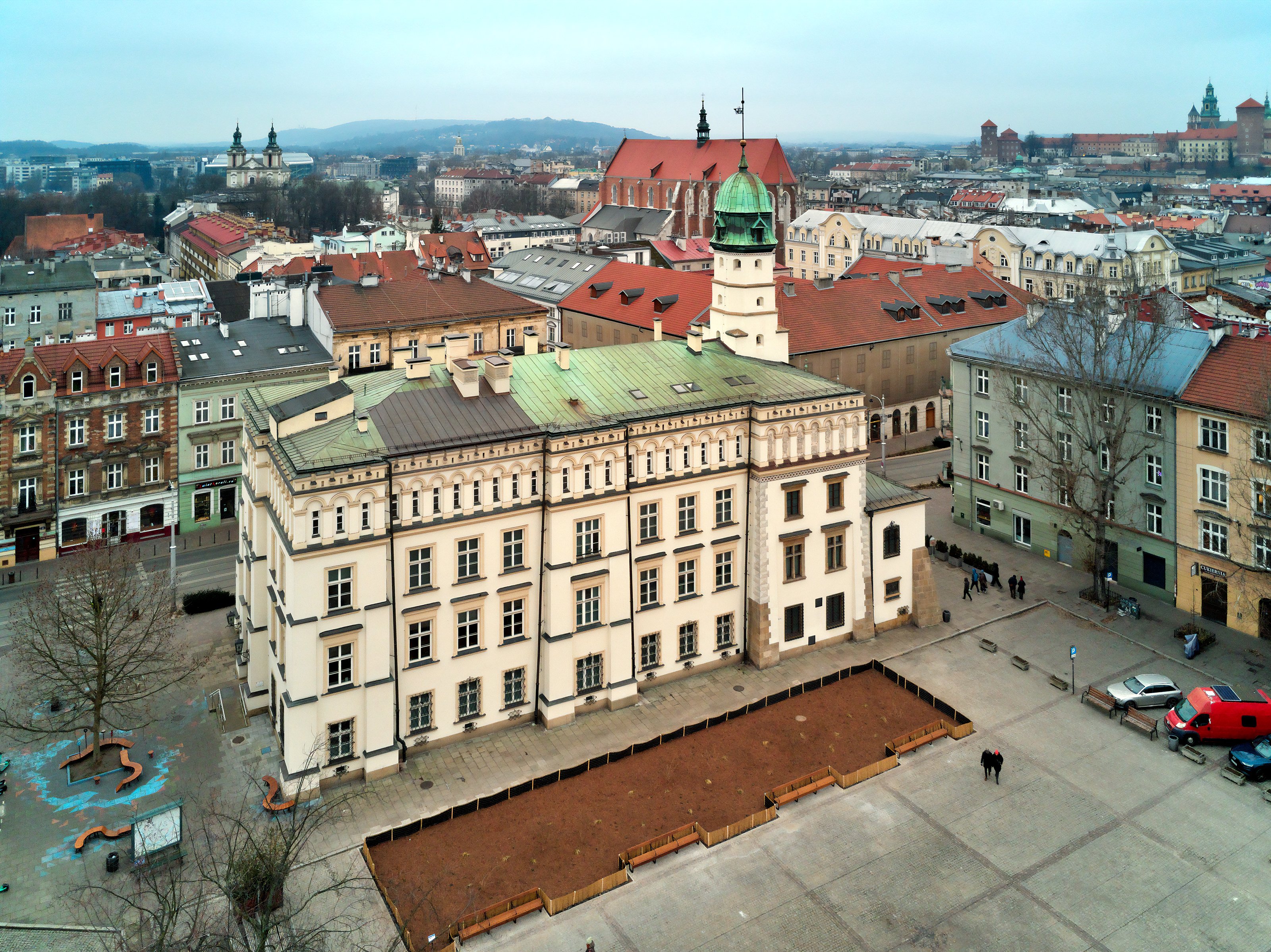
Kazimierz was once an independent city and is now one of the most atmospheric districts of Kraków. Until 1954 it was the eighth quarter of the city, and today it forms part of District I Old Town. For centuries two cultures, Christian and Jewish, lived side by side here, and the area still has a distinct, instantly recognisable character. How did Kazimierz begin? The city was founded in the 14th century by King Casimir the Great, who gave it his name. For a long time it developed as a separate centre on an island between branches of the Vistula. In 1495, by decision of King John I Albert, the Jews who had previously lived in Kraków were relocated to the area of today's Szeroka Street. This created the so-called Jewish town (oppidum iudaeorum), which shaped the face of the district for centuries. What to see in Kazimierz The synagogues are the district's calling card. The Old, High, Remuh, Popper, Tempel, Kupa and Izaak synagogues, along with several smaller houses of prayer, form an ensemble that is unique on a European scale, comparable only to the synagogues of Prague. The oldest in Kraków is the Old Synagogue, with origins going back to 1407. Until 1939 it served as the main temple of the community and as its religious, cultural and social centre. Today it houses a museum about the history of Kraków's Jews. It is also worth strolling along Szeroka Street, the former heart of the Jewish town, and looking at the old cemeteries beside the synagogues. Kazimierz also has churches and monasteries from the time when the district was a separate royal city, so a walk here shows how closely the two traditions stood side by side. Plac Nowy and everyday life One of the most popular spots is Plac Nowy (New Square). During the day it is a market where you can buy anything from vegetables to antiques. In the evening the square turns into a social hub, surrounded by atmospheric cafes and pubs, so the district stays lively late into the night. Is Kazimierz a UNESCO site? Yes. Kazimierz, together with its synagogues, belongs to the historic centre of Kraków, which in 1978 was among the very first sites placed on the UNESCO World Heritage List. How to explore the district Kazimierz is best discovered on foot. The compact streets and main landmarks can be covered in a few hours, but it is worth setting aside more time to step inside the synagogues, sit in a cafe and feel the rhythm of the place. The district adjoins the Old Town, so it is easy to combine both parts of Kraków in a single day. Mornings are calmer, while afternoons and evenings get busy, especially around Plac Nowy. Frequently asked questions Was Kazimierz once a separate city? Yes. King Casimir the Great founded it in the 14th century, and it was incorporated into Kraków later; until 1954 it was the city's eighth quarter. Why is Kazimierz associated with Jewish culture? In 1495 King John I Albert moved Kraków's Jews here. From then on a Jewish town with synagogues, schools and community life developed in Kazimierz. Which synagogue is the oldest? The Old Synagogue, dating back to 1407, is considered the oldest in Kraków and one of the oldest in Poland. What to do in Kazimierz in the evening? Head to the area around Plac Nowy, where cafes and pubs offer a distinctive atmosphere. Is it part of the Old Town? Administratively Kazimierz belongs to District I Old Town, but historically and architecturally it has its own strong identity. Kazimierz combines history, religion and city life. Whether you are drawn by monuments or simply by a good atmosphere, it deserves a dedicated day on any visit to Kraków.
-
Kraków Old Town
Kraków
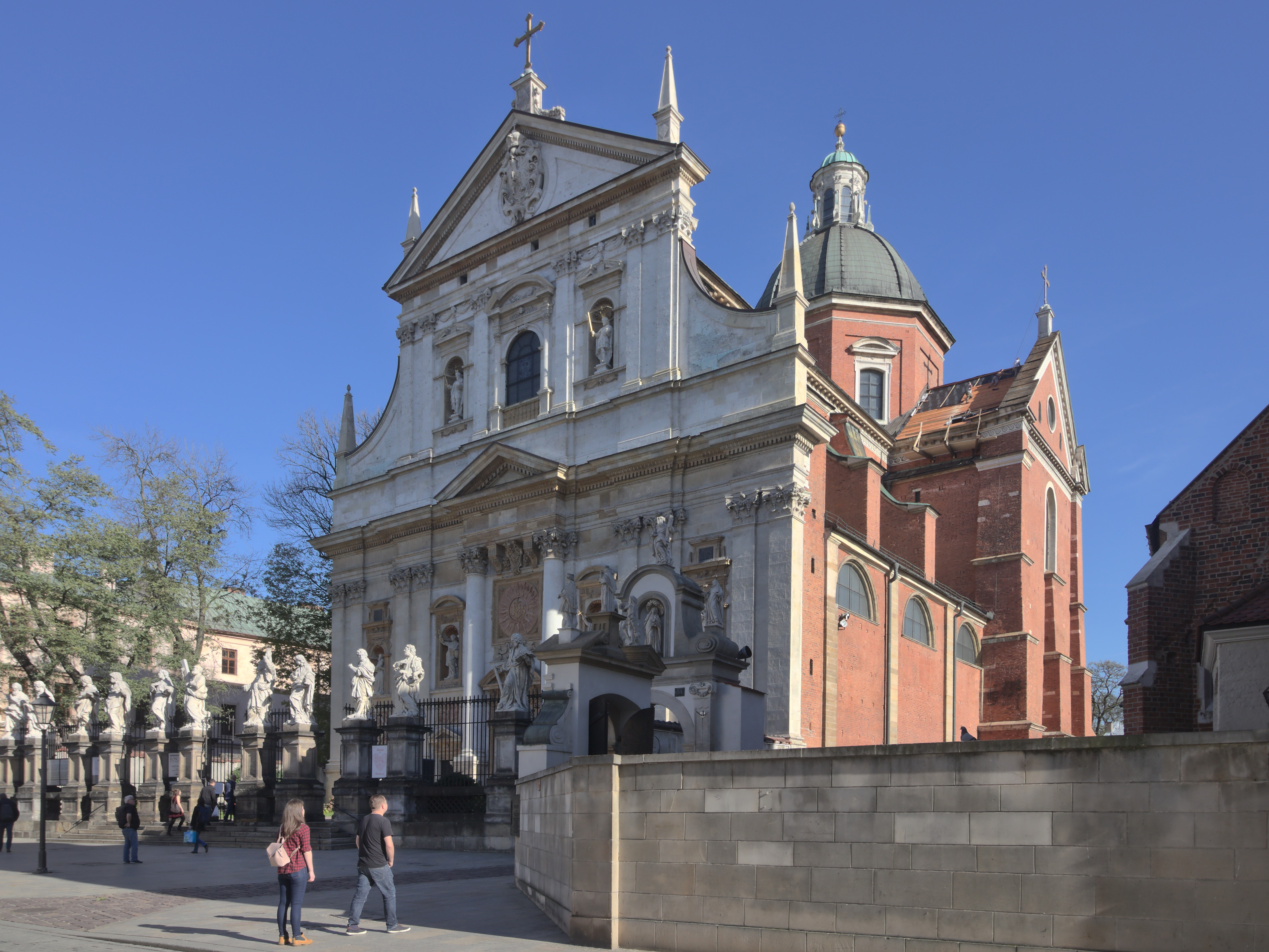
Kraków Old Town is the historic heart of the city and one of the best-preserved medieval urban layouts in Europe. In 1978 it was inscribed on the UNESCO World Heritage List, among the first twelve sites in the world. Today it is a living city centre, a favourite meeting place and the most visited area in southern Poland. How did the Old Town come to be? The city was chartered under Magdeburg law in 1257 by Duke Bolesław the Chaste. Planners laid out a regular grid of streets around a vast trading square, the Main Market Square, about 200 metres on each side. It remains one of the largest medieval squares in Europe. Three streets leave each side of the square, and only Grodzka Street runs diagonally, because it follows an older trade route and skirts churches that were already standing. What is there to see on the Main Market Square? The centre of the square is occupied by the Cloth Hall, a Renaissance merchants' building with arcades. Stalls selling souvenirs fill the ground floor, while a gallery of Polish art occupies the upper level. Rising above the square is St. Mary's Basilica, with its two uneven towers and the famous altarpiece by Veit Stoss. Every hour a bugle call sounds from the taller tower, broken off mid-melody in memory of a legendary trumpeter. Nearby stands the lone Town Hall Tower, all that remains of the medieval town hall. Which landmarks hide in the surrounding streets? Floriańska Street leads from the square to St. Florian's Gate, the best-preserved fragment of the old defensive walls, with the round Barbican just beyond. Grodzka Street takes you towards Wawel Hill, while Bracka and Sienna streets are lined with townhouses that have Gothic cellars. Collegium Maius on Jagiellońska Street, the oldest building of the Jagiellonian University, is a reminder that Kraków has been a centre of learning since the fourteenth century. The many churches are worth a visit too, including those of Saints Peter and Paul and of the Dominicans and Franciscans. What are the Planty? The edge of the Old Town is traced almost perfectly by the Planty, a ring of parkland. It was created in the early nineteenth century on the site of the demolished city walls and moat. A walk all the way around takes roughly an hour and shows the centre from the outside, in the shade of trees, with benches and fountains along the way. When is the best time to visit? Early morning and late evening are the calmest times on the square, when the facades are beautifully lit. During the day it is worth stepping into museums and churches, and after dark into the cafés and cellar clubs the area is known for. The Old Town is compact and best explored on foot, with a large zone of limited car traffic. Frequently asked questions How long does it take to see the Old Town? Half a day is enough for a relaxed walk past the main sights, but if you want to enter museums and the basilica, plan a full day. Is Kraków Old Town a UNESCO site? Yes. Together with the Main Market Square it was inscribed in 1978, among the very first entries on the list. Can I walk here from Wawel? Yes. Grodzka Street leads straight from the foot of Wawel Hill to the Main Market Square, a walk of a few minutes. Why does the St. Mary's bugle call stop mid-tune? According to Kraków legend, it commemorates a trumpeter who warned the city of an attack and was struck by an arrow while playing.
-
Barbican
Kraków
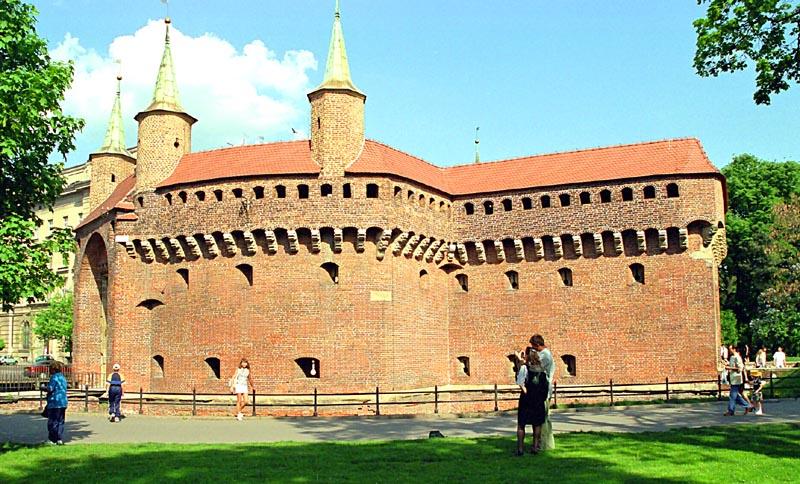
The Kraków Barbican (Barbakan), locally nicknamed the Rondel, is a late Gothic fortification built in 1498–1499 in front of St Florian's Gate, on the northern edge of the Old Town. It was the strongest point of the city's defences and is now one of only three Gothic barbicans surviving in Europe, alongside those in Carcassonne and Görlitz. Kraków's is the largest and best preserved. What is a barbican, and what was this one for? A barbican is a free-standing outwork placed in front of a city gate. Its purpose was to stop attackers before they reached the walls and to hit them with fire from several levels at once. Kraków's Barbican guarded St Florian's Gate, to which it was joined for centuries by a fortified passage known as the "neck". From 1566 it also protected the approach to the City Arsenal, built close by. Why was it built when it was? After King John I Albert's failed Bukovina campaign of 1497, Poland faced the threat of retaliatory raids by Wallachians, Turks and Tatars. Kraków therefore reinforced the northern stretch of its defences, always the most exposed. According to the Codex of Balthasar Behem, the king laid the foundation stone himself and followed the works closely. What does the Barbican look like? The building is laid out as an incomplete circle, 24.4 m across inside the walls and more than 30 m on the outside. Up to the former waterline of the moat the walls are limestone; above that they are brick. At their thickest they exceed 3 m. Four tiers of gunports, 130 in all and arranged in a staggered pattern, were designed for handheld firearms. The top carries machicolations, projecting galleries with openings in the floor, and above them rise seven lookout turrets, alternately round and octagonal. A vaulted underground passage led to sally ports for the garrison. A moat 26 m wide and up to 6 m deep once surrounded the fortress; it was later filled in as the city grew. The gate facing Kleparz led onto a bridge, part of which could be raised. What part did it play in history? The Royal Route ran through the Barbican, leading from St Florian's Collegiate Church up to Wawel. Kings, envoys and victorious commanders entered the city this way, and the building became known as the Gate of Glory (Porta Gloriae). In 1587 its defenders drove off the troops of Archduke Maximilian of Habsburg, who was fighting for the Polish crown. During the Swedish invasion in 1655 the garrison surrendered, short of ammunition and food. In 1768 the Bar Confederates used it in their fight against Russian forces. How did it survive? After an 1806 decree by Emperor Francis II, Kraków began demolishing its walls. In 1817 Feliks Radwański, an architect and senator in the Free City of Kraków, secured the survival of the Barbican and the northern section of the fortifications. The "neck" linking it to the gate was removed when the Planty were laid out. What else is nearby? St Florian's Gate, a Gothic gate tower first recorded in 1307. The city walls with three towers, adjoining St Florian's Gate. Floriańska Street, running from the gate straight to the Main Market Square. The Planty, the green belt around the Old Town. Frequently asked questions When was the Barbican built? In 1498–1499. How many turrets does it have? Seven, alternately round and octagonal. Can you go inside? Yes. The Barbican is a branch of the Museum of Kraków and is open to visitors in season, with displays on the history of the city's fortifications. What is the City Gates Opening Ceremony? A late-morning ceremony staged by the Museum of Kraków: the trumpeter, escorted by municipal guards, walks from the Main Market Square along Floriańska Street to the Barbican, plays the 15th-century tune "Cracovia Civitas", and the guards swing open the doors of the Kleparz Gate. Is the Barbican a UNESCO site? Yes. Kraków's medieval fortifications are part of its UNESCO World Heritage listing.
-
St. Florian's Gate
Kraków
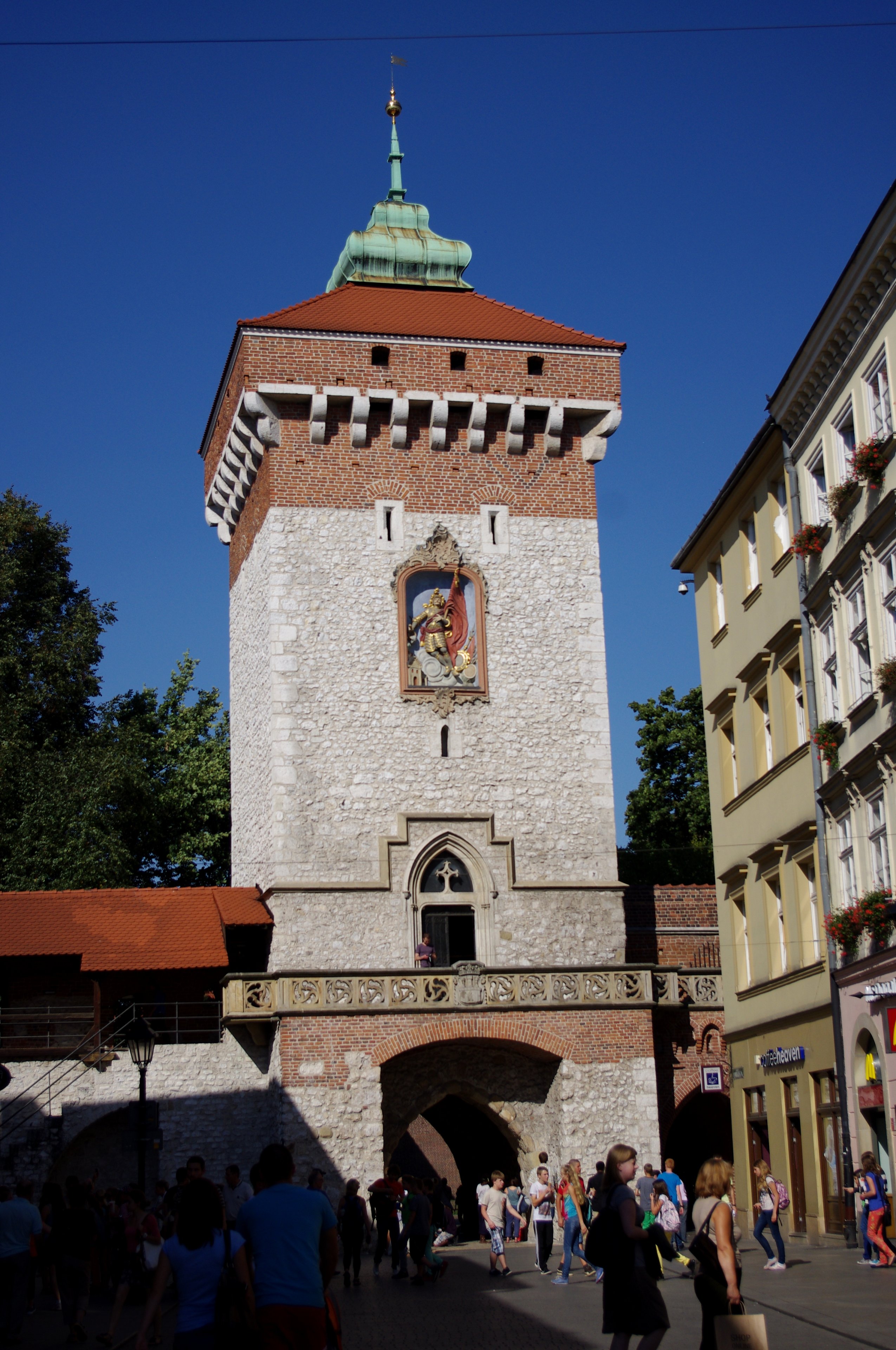
St Florian's Gate (Brama Floriańska) is a Gothic gate tower that closes the northern end of Floriańska Street in Kraków. It was the main gate of the medieval city, and of the eight gates set in the old defensive walls it is the only one still standing. With the Barbican and the adjoining walls, it forms the best-preserved part of Kraków's fortifications. What does St Florian's Gate look like? The lower part is a stone tower on a roughly square plan. In the late 15th century it was raised by a brick storey with machicolations. The whole structure is crowned by a Baroque spire, added after the damage the gate suffered during the Swedish invasion. The tower is about 34 m tall. A carriageway with a pointed vault runs through it, once secured by wooden doors on the town side and a portcullis on the outside. Where does the name come from? The gate takes its name from St Florian's Church in Kleparz, which stands north of the gate at the start of the Royal Route. A Baroque relief of the saint decorates the side facing the Old Town. How old is the gate? Kraków's 13th-century earth-and-timber ramparts gave way to stone walls under Wenceslaus II, and by the early 14th century masonry enclosed the whole town. St Florian's Gate is first recorded in 1307. During the 14th century it took the form of a tall stone tower with a four-sided outer gatehouse. The brick upper storey came later, when the Barbican was being built in front of it. Why did the gate matter so much? The gate stood on the Royal Route, which led from St Florian's Collegiate Church through the Barbican, the gate itself, Floriańska Street and the Main Market Square up to Wawel. Coronation processions, royal funerals and foreign envoys all passed this way, so in the early modern period the gate became above all a ceremonial entrance to the capital. What should you look for on the gate? The Piast eagle on the Planty side, a relief carved in 1882 to a design by Jan Matejko. The relief of St Florian on the side facing Floriańska Street. A small altar of Our Lady of Piasek inside the passage, moved here in 1835 from the "neck" that once joined the gate to the Barbican. The Czartoryski chapel on the upper floor, with a neo-Gothic balcony facing the town, designed by Karol Kremer. How did the gate survive? Following an 1806 decree by Emperor Francis II, Kraków pulled down most of its walls. The section by St Florian's Gate was saved thanks to Feliks Radwański, an architect and senator in the Free City of Kraków. In the early 20th century electric trams were too tall to fit under the vault. Instead of demolishing the gate, the city lowered the road through it. The historic level returned when the street was resurfaced in 2006. The Barbican and the city walls Running from the gate is a roughly 200-metre section of wall with three towers: the Haberdashers', Joiners' and Carpenters' Towers. To the north of the gate stands the Barbican, built in 1498–1499 as the strongest point of the city's defences. It is one of only three Gothic barbicans surviving in Europe. A fortified passage known as the "neck" once linked it to the gate, but it was demolished in the 19th century. Frequently asked questions Where is St Florian's Gate? At the northern end of Floriańska Street, by Pijarska Street, where the Old Town meets the Planty. How tall is it? About 34 m. Is it the only surviving city gate in Kraków? Yes. Of the eight gates in the medieval walls, this is the only one left. Can you go inside? The Barbican and the defensive walls, including the gate and the guards' walkway, are run by the Museum of Kraków and open to visitors in season. How do I get there from the Main Market Square? Walk north along Floriańska Street; the gate stands at its far end.
-
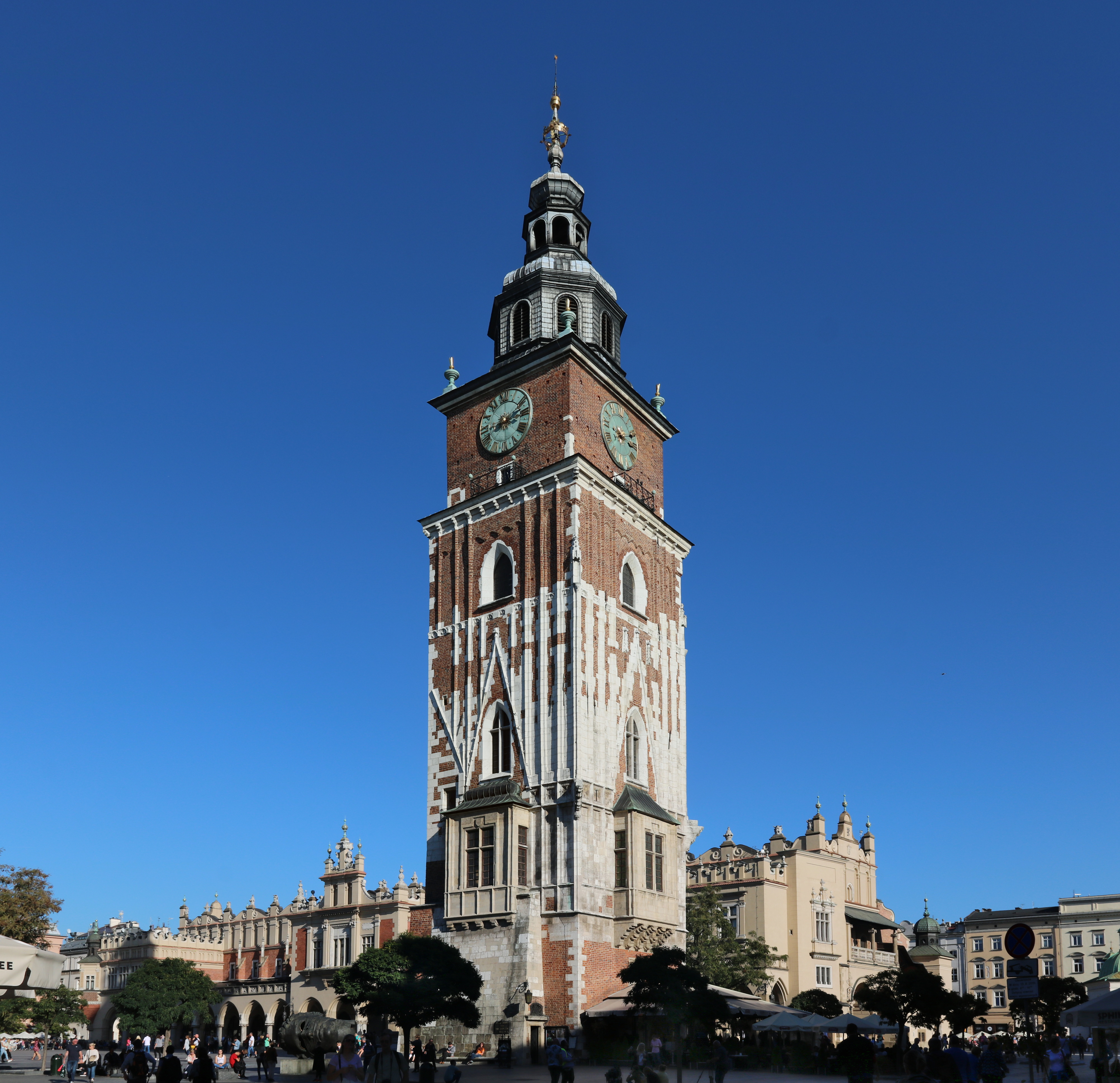
Town Hall Tower
Kraków
The Town Hall Tower in Kraków is a Gothic tower standing on the Main Square, right in the heart of the Old Town. It is the only surviving part of the former town hall, which was demolished in 1820. Rising roughly 70 metres, it has long been one of the easiest landmarks to spot in the city. What is the history of the Town Hall Tower? The first written mention of Kraków's town hall dates to 1316. The building housed the city authorities, including the mayor, the council and the courts, and it often hosted visiting monarchs. The tower itself went up in the early 15th century, and the Gothic form of the whole complex was settled around the middle of that century. In 1680 the Gothic helmet crowning the tower burned down after a lightning strike. It was rebuilt between 1683 and 1686 under the royal architect Piotr Beber, who designed a new Baroque helmet that gave the tower the silhouette it still has today. In 1820 the town hall and the granary beside it were pulled down, leaving the lone tower as a witness to the Square's earlier layout. Is the Town Hall Tower leaning? Yes, and noticeably so. It tilts about 55 centimetres from the vertical. There is no cause for alarm: the monument has long been under careful protection, and the lean has become a curiosity that local guides like to talk about. It is easiest to see if you stand at some distance and compare the tower's line with the vertical edges of the surrounding townhouses. What can you see inside? Today the tower is a branch of the Museum of Kraków and can be visited. A narrow, steep staircase of 110 stone steps leads to the upper rooms. The climb can be tiring, but it is short and the views repay the effort. The interiors keep much of their old character: The ground floor is covered by a cross-ribbed vault that hints at the building's Gothic proportions. The first-floor chamber is regarded as one of the most beautiful Gothic interiors in Kraków. It has a cross-ribbed vault and remnants of polychrome painting and gilding. The top level lets you look down on the Main Square and take in its layout, the Cloth Hall, St Mary's Basilica and the rooftops of the Old Town. Why visit? The tower shows how the centre of Kraków has changed. Standing on the paving of the Square, it is hard to imagine a large building around it with council chambers and courtrooms. The interiors and exhibition help you picture it, and the view from above makes sense of the plan of the medieval chartered town. It is also a handy meeting point. The tower stands in the middle of the Square, so it is easy to find, and many walks around the Old Town begin near it. A visit inside combines well with seeing nearby sights such as the Cloth Hall, St Mary's Basilica and the surrounding streets. Frequently asked questions How tall is the Town Hall Tower? Roughly 70 metres. Is the tower leaning? Yes, by about 55 cm from the vertical. How many steps are there? 110 narrow, steep stone steps lead to the top. Is anything left of the town hall itself? No. The town hall was demolished in 1820, and the tower is its only surviving part. Who rebuilt the helmet after the fire? Piotr Beber, the royal architect, between 1683 and 1686. The helmet is Baroque in form. Can you visit the interiors? Yes, the tower is a branch of the Museum of Kraków and is open to visitors. Practical tips The staircase is narrow, so expect a short wait now and then when visitors pass each other on the way up and down. Comfortable shoes help on the stone steps. If you want good photos of the Square, choose a time when the light falls on the Cloth Hall and St Mary's Basilica. Because of the tight stairwell, the visit is not ideal for anyone who finds steep stairs difficult.
-
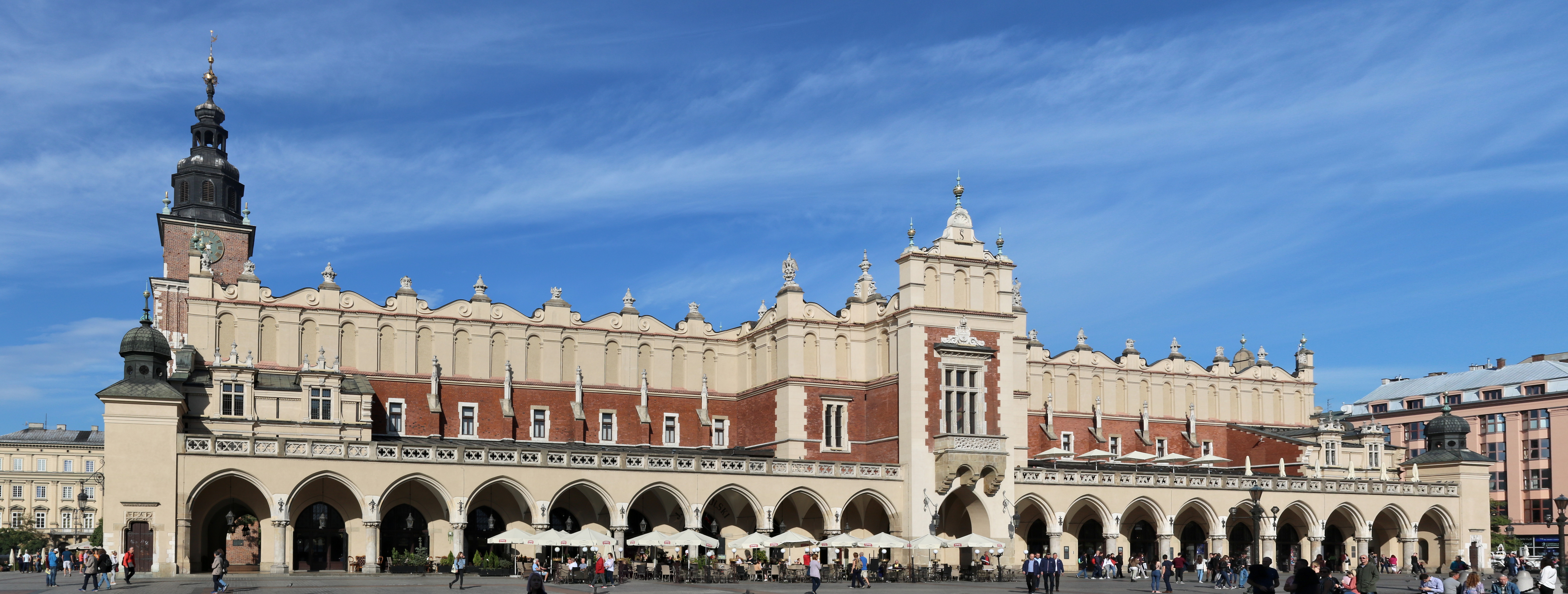
Cloth Hall
Kraków
The Cloth Hall (Sukiennice) in Kraków is a historic market hall standing in Kraków's Main Market Square and one of Poland's most recognisable landmarks. Traders still fill the ground floor, mostly selling souvenirs and crafts, while the upper floor houses the Gallery of 19th-Century Polish Art, run by the National Museum in Kraków as its oldest branch. Where does the name come from? The Polish word sukiennice refers to a hall where cloth (sukno) was sold, and cloth was the main trade here. Kraków gained the right to deal in it under its town charter of 1257. Across medieval Europe, towns on busy trade routes put up halls like this one, usually in the middle of the market square and close to the town hall or the public weigh house. How did the building develop? It started as a simple lane lined with stalls and locked at night so merchants could leave their goods safely. As early as the 13th century the lane was given a wooden roof, which made it the first Cloth Hall. Casimir the Great funded a brick hall in 1358: a covered central passage 108 metres long, flanked by two rows of stalls and entered through pointed-arch arcades. A fire destroyed the building completely in 1555. Between 1556 and 1559 Master Pankracy rebuilt it in Renaissance style, assisted by Giovanni Maria Padovano and Santi Gucci, among others. The attic dates from this period: a decorative parapet crowning the roof that also helped shield it from fire. It is lined with mascarons, grotesque human and animal faces carved by Santi Gucci. In 1601 a cross passage was cut through the hall from east to west. What changed in the 19th century? The Cloth Hall declined along with the rest of the city during the 1700s and 1800s. A thorough restoration followed in 1875–1879, during the partitions of Poland, led by Tomasz Pryliński on Jan Matejko's recommendation. The outer stalls were cleared away, pointed-arch arcaded galleries were built along both long sides, and projecting central bays topped with attics were added. The new mascarons, designed by Matejko, are caricatures of the city's mayors. The building has looked essentially the same ever since. How did it become a museum? In 1879, during celebrations for the writer Józef Ignacy Kraszewski, the painter Henryk Siemiradzki gave the city his canvas Nero's Torches. On 7 October that year Kraków City Council founded the National Museum, the first such institution on Polish soil, and gave it rooms on the Cloth Hall's upper floor, at first shared with the Society of Friends of Fine Arts. The opening exhibition followed on 11 September 1883, and in 1901 the museum took over the whole floor. What can you see inside and around? Ground floor – a long hall of stalls selling souvenirs and crafts, with city coats of arms on the ceiling. Upper floor – the Gallery of 19th-Century Polish Art, with painting and sculpture ranging from the Enlightenment and Romanticism to Realism, Impressionism and early Young Poland. Rynek Underground – a Museum of Kraków route beneath the square, entered from the Cloth Hall, showing medieval remains and the foundations of the earlier hall. The Cloth Hall stands next to St Mary's Basilica and the Town Hall Tower, so it fits easily into a walk around the square. Frequently asked questions Is the Cloth Hall a museum? Partly. The upper floor is a gallery of the National Museum in Kraków, while the ground floor is given over to market stalls. Who gave the Cloth Hall its present look? Its Renaissance form comes from the 1556–1559 rebuilding led by Master Pankracy. Tomasz Pryliński added the neo-Gothic arcades and central bays in 1875–1879. What was traded here in the past? Above all cloth, which gave the building its name. What are the mascarons on the attic? Grotesque masks. The Renaissance ones were carved by Santi Gucci; the 19th-century set, designed by Jan Matejko, caricatures Kraków's mayors. Where is the Cloth Hall? Right in the middle of Kraków's Main Market Square, at the heart of the Old Town.
-
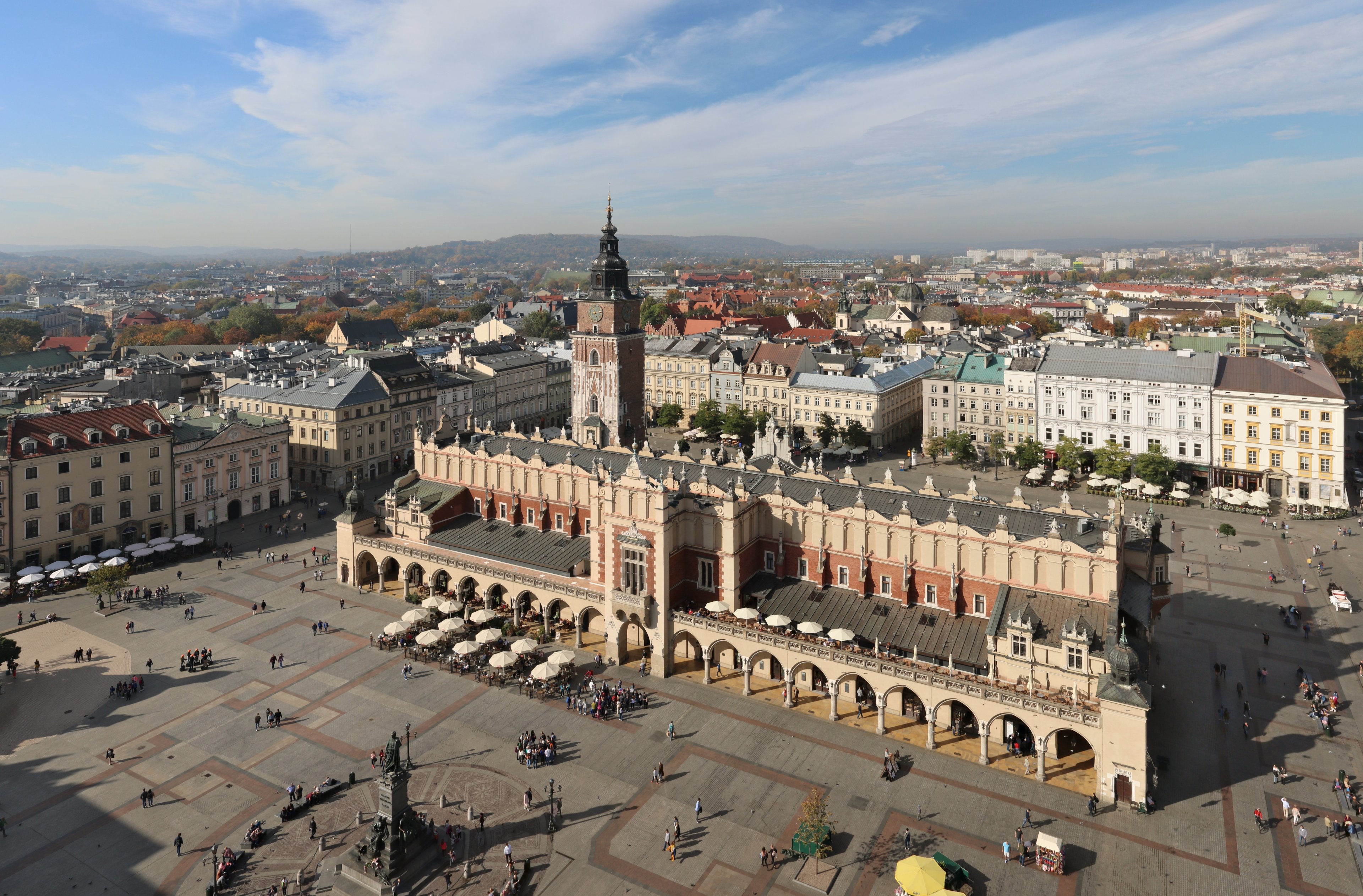
Main Market Square
Kraków
Main Market Square (Rynek Główny) in Kraków is the central square of the Old Town and one of the best-known places in Poland. It was laid out in 1257 when the city was chartered under Magdeburg law, on a nearly square plan about 200 metres on each side. It is regarded as one of the largest medieval town squares in Europe. What can you see on the Main Market Square? The middle of the square is occupied by the Cloth Hall (Sukiennice), a former trading hall where cloth, spices and goods from distant lands were sold for centuries. Today its ground floor holds stalls with souvenirs and crafts, while the upper floor houses a gallery of 19th-century Polish art. At the north-eastern corner stands St. Mary's Basilica, with two towers of different heights. It is famous for its Gothic altarpiece, and from the taller tower a bugle call, the hejnał, sounds every hour. The melody breaks off abruptly, commemorating a legendary trumpeter said to have been struck by an arrow while warning the city of a Tatar raid. The square also features the Town Hall Tower, the only surviving part of the old town hall, which was demolished in the 19th century. You can climb it for a bird's-eye view of the square. Nearby is the small church of St. Adalbert, one of the oldest in the city, and in front of the Cloth Hall stands the monument to poet Adam Mickiewicz, a traditional meeting spot for locals. Why is this place so important? The Old Town, with the Main Market Square at its heart, was inscribed on the UNESCO World Heritage List in 1978, among the first twelve sites in the world. For centuries the square was the centre of trade, politics and public celebrations, and today it remains the city's living room, where residents and visitors meet. How to explore the Main Market Square Plan at least a few hours for a stroll. In the morning the square is calmer and photographs are easier without crowds, while in the evening the illuminated buildings make a strong impression. Walk around the whole perimeter, look into the side streets leading away from the corners, and go down to the underground exhibition beneath the square, which shows the remains of medieval Kraków. Townhouses around the square have historic portals and courtyards, and their ground floors host cafés and restaurants with outdoor seating. Wawel Castle, the Planty park and the Kazimierz district are all close by, making the square a natural starting point for further sightseeing. The square is flat and fully pedestrianised, so it also suits families with children and older visitors. Frequently asked questions When was the Main Market Square in Kraków created? It was laid out in 1257, when the city was chartered under Magdeburg law. What stands in the middle of the square? The Cloth Hall, a former trading hall that now combines souvenir shopping with an art gallery. Why does the hejnał bugle call stop mid-melody? According to legend, the trumpeter was hit by an arrow while warning the city of Tatars, and the broken-off tune commemorates this. Is the Main Market Square a UNESCO site? Yes. Kraków's Old Town was inscribed in 1978, among the first sites in the world. Can you see a panorama of the city from the square? Yes, the Town Hall Tower and the tower of St. Mary's Basilica offer views over the square and its surroundings.
-
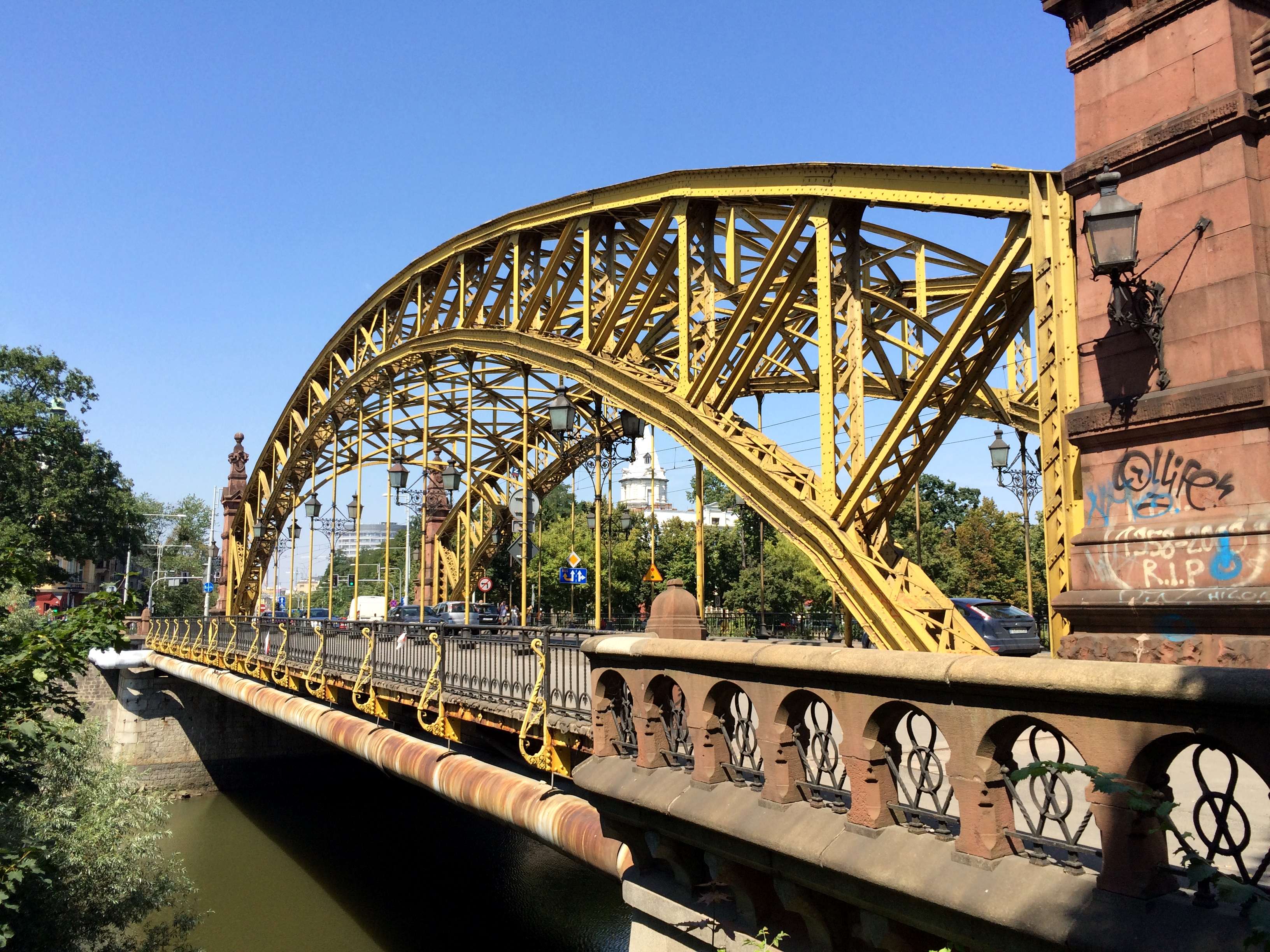
Zwierzyniecki Bridge
Wrocław
Most Zwierzyniecki (Zwierzyniecki Bridge) is a steel crossing over the Old Oder in Wrocław, and one of the most distinctive historic structures in this part of the city. It links the centre with the neighbourhoods across the river and leads towards places most visitors to Wrocław want to see: the Centennial Hall, the Pergola, the zoo and the Japanese Garden. Why see Zwierzyniecki Bridge? It is a fine example of how late nineteenth-century builders combined engineering with decoration. The steel structure is not bare and purely technical. The abutments are crowned with richly worked pylons of red sandstone, and ornamental balustrades complete the picture. The result is more than a road over water: it is part of Wrocław's cityscape, worth a closer look and a photograph. What is the history of the bridge? The first wooden crossing here appeared in the mid-seventeenth century, in 1655. The present bridge was built in 1895-1897. In the German period it was known as the Passbrücke. The architectural design was by K. Klimm and R. Plüddemann, and the steel structure was prepared by A. Fruhwirth Scholtz. The bridge has served the city without a break for well over a hundred years. In 1973 it was entered in the register of monuments, which gave it conservation protection. The reasons were its high aesthetic and architectural value: the decorative pylons, the balustrades and the characteristic silhouette. Over the decades the bridge has undergone repairs and later restoration work aimed at preserving its original appearance and bringing back its historic colour scheme. Where does the bridge lead? The bridge is an important transport link. On one side lies the centre of Wrocław, on the other the districts of Biskupin, Dąbie and Bartoszowice. Crossing it is a natural part of a walk towards: the Centennial Hall, a UNESCO World Heritage site, the Pergola and its multimedia fountain, the zoo, the Japanese Garden, the student dormitories of Wrocław University of Science and Technology. For many tourists it is simply the way to these attractions, but it is worth stopping for a moment to look at the structure itself. How to explore the area The most pleasant way is on foot or by bike. From the bridge and the nearby embankments you can see the Old Oder, and on warm days there are plenty of walkers by the water. Combining a visit with the Centennial Hall complex is a good idea, as the two are a short distance apart. The bridge looks good at any time of day, and particularly interesting in low side light, when the texture of the sandstone and the details of the balustrades stand out. Frequently asked questions Is Zwierzyniecki Bridge a listed monument? Yes. It was entered in the register of monuments in 1973. When was the current bridge built? In 1895-1897. Earlier, in 1655, a wooden crossing stood here. Which river does it cross? The Old Oder in Wrocław. What is it made of? A steel structure, with pylons at the abutments made of red sandstone. Can I walk from the bridge to the Centennial Hall and the zoo? Yes. The bridge leads towards the Centennial Hall, the Pergola, the zoo and the Japanese Garden, so it fits naturally into a sightseeing route through this part of the city.
-
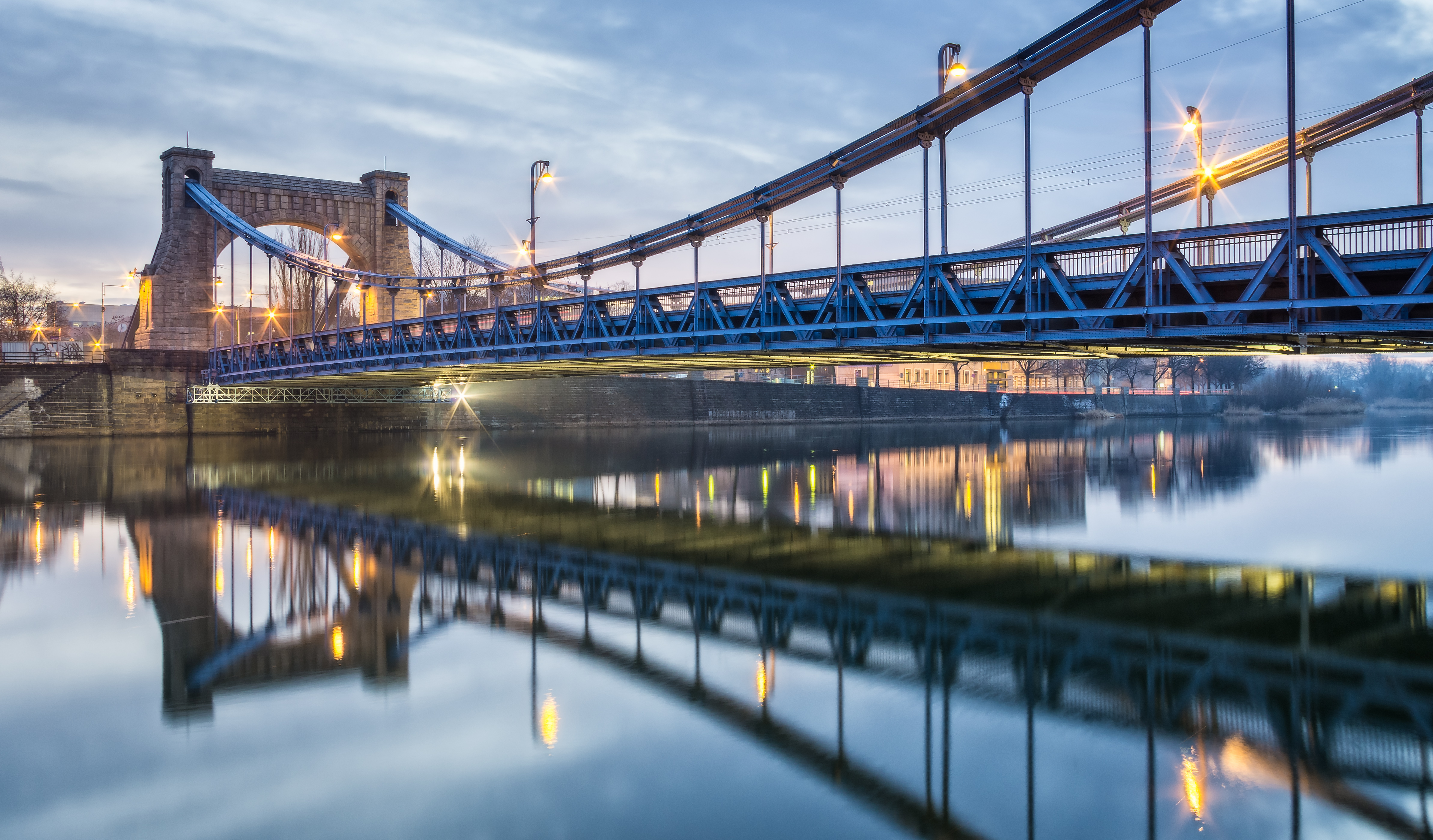
Grunwald Bridge
Wrocław
Grunwaldzki Bridge in Wrocław is one of the best-known crossings of the Odra and a listed suspension bridge that has linked the city centre with the Cathedral Island side and Grunwaldzki Square for over a century. Its open steelwork and tall granite pylons make it a rewarding place for a walk and for photos. What does Grunwaldzki Bridge look like? The bridge hangs from a riveted steel structure. The load-bearing elements rest on two pylons about 20 metres high. The pylons are built of clinker brick and faced with granite, giving them a heavy, monumental look that contrasts with the lighter steel above. The crossing was designed to carry road traffic, trams and pedestrians at once, and it still does all three. When and why was it built? Construction ran from 1908 to 1910, and the bridge opened on 10 October 1910. It was designed by Richard Plüddemann, then the city councillor in charge of building. The growing city of Breslau needed a modern new crossing, and at the time the bridge counted among the most technically advanced suspension bridges in Europe. Around 2,300 tonnes of steel went into it, along with granite from Silesian quarries and more than 7,000 cubic metres of concrete. Why has it had so many names? The bridge's names mirror the turbulent history of the city. It opened as the Kaiserbrücke, or Imperial Bridge, named after Emperor Wilhelm II. It was later called the Freedom Bridge (Freiheitsbrücke), and after the Second World War it received its present name, a reference to the Battle of Grunwald. What happened in 1945? During the siege of Festung Breslau, decorative finials, some reliefs and other ornamental details were removed from the pylons so that a makeshift airfield could operate around today's Grunwaldzki Square. The bridge survived and remained an important part of the city's transport network. It is now a protected monument, and ideas for restoring the lost decoration come up whenever renovation work is planned. What to see nearby The Odra embankments – views of the university buildings and the city skyline, both from the bridge and from the riverbanks. Grunwaldzki Square – at one end of the bridge, known for its university buildings and modernist tower blocks. Ostrów Tumski – the oldest part of Wrocław, with the cathedral and quiet lanes, an easy walk away. The riverside boulevards – calm walking routes along the water, pleasant in any season. Frequently asked questions Can you walk across Grunwaldzki Bridge? Yes. The bridge has pavements for pedestrians, so you can look at the pylons up close and enjoy the river views as you cross. Do trams and cars use the bridge? Yes, tram lines and road traffic both run across it. How tall are the pylons? About 20 metres. They are made of clinker brick with a granite facing. Where does the name come from? The current name dates from after the Second World War and refers to the Battle of Grunwald. Earlier the bridge was known, among other names, as the Imperial Bridge and the Freedom Bridge. When is the best time for photos? Sunset and the evening are the most flattering, when the granite pylons and steelwork are lit and the light plays on the water of the Odra. Who is it for? Architecture and engineering fans, photographers, anyone interested in the history of Wrocław, and visitors who want to combine a stroll through the centre with a look at an early twentieth-century technical landmark. Crossing takes only a few minutes, but the bridge fits easily into a longer route along the Odra, through Ostrów Tumski and the university district.
-
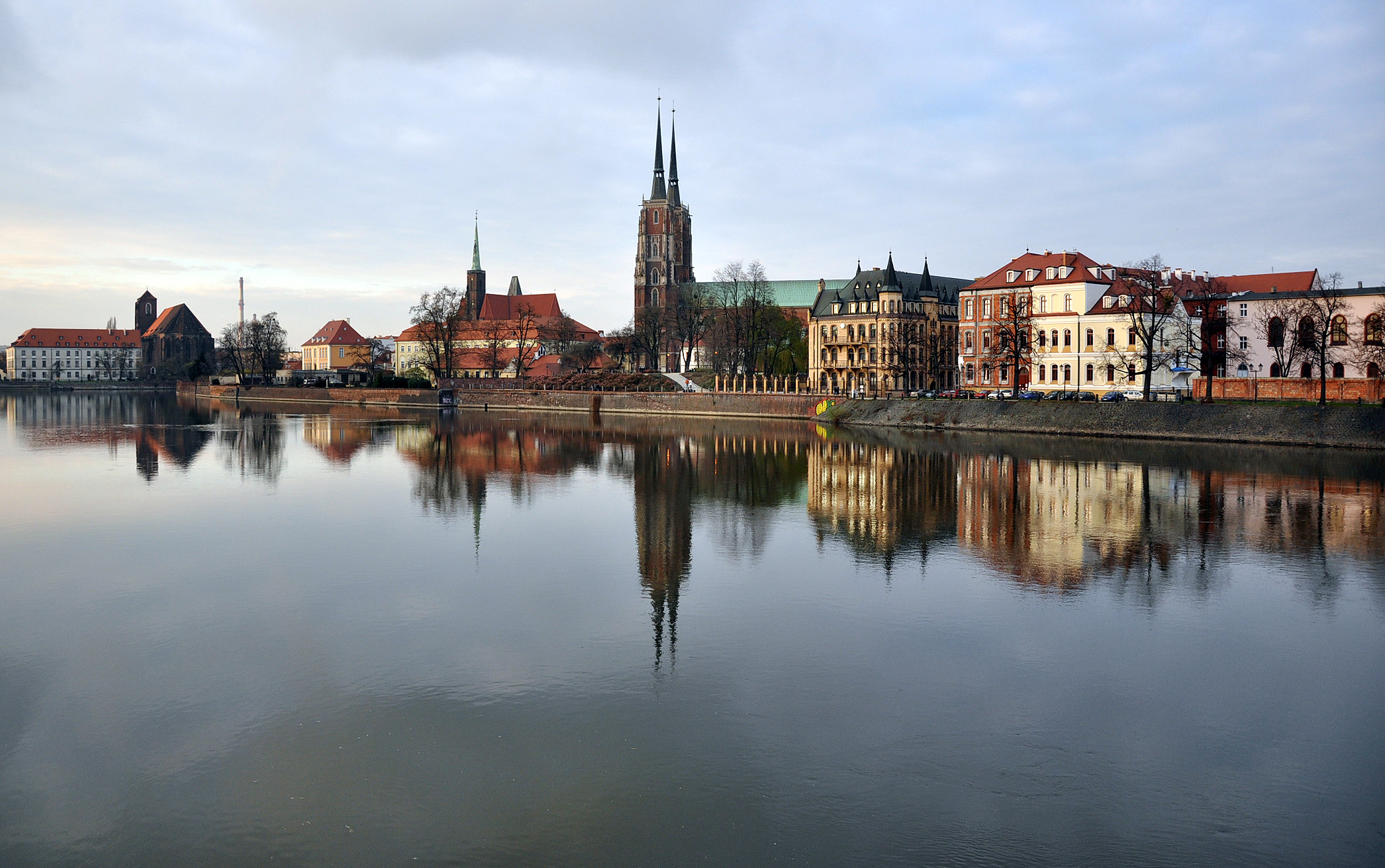
Cathedral Island
Wrocław
Ostrów Tumski in Wrocław is the oldest part of the city and one of the most atmospheric places for a walk anywhere in Poland. This former island, set among branches of the Oder near the mouth of the Oława, is where the story of Wrocław began. Today it is a compact district of Gothic churches, cobbled lanes and greenery, where time moves noticeably slower than on the nearby Market Square. Why visit Ostrów Tumski? The name "Tumski" comes from a Latin-derived word for cathedral, and the cathedral defines the character of the place. As early as the 10th century a fortified settlement stood here, guarding a river crossing, and the founding of the Wrocław bishopric in the year 1000 made the island an important religious centre in Silesia. The river split into many channels here, forming islands, which made the spot naturally defensible and ideal for controlling a trade route. Today Ostrów Tumski is no longer a true island, since some of the old channels have been filled in, yet it still feels distinctly separate from the rest of the centre. What to see on Ostrów Tumski The Cathedral of St John the Baptist is the island's best-known landmark. This Gothic church, built between the 13th and 15th centuries on the site of earlier churches, has soaring towers visible from many parts of the city and forming a signature element of the Wrocław skyline. It was rebuilt after wartime destruction, and visitors can explore its interior, chapels and chancel. St Giles' Church is regarded as the oldest surviving building on the island, dating from the early 13th century. Its small, austere form shows what architecture here looked like before the great Gothic structures arrived. The Collegiate Church of the Holy Cross and St Bartholomew is an unusual two-level building with a lower and an upper church, founded by a prince. It is worth stepping inside to feel how different the atmosphere is on each level. The lamplighter and the gas lamps One of the biggest attractions is the historic gas street lamps. In the evening a lamplighter walks the island and lights them by hand. It is a rare tradition, among the last of its kind still so visible in Europe. To see it, arrive before dusk and wander the lanes unhurriedly, because the best photos come as daylight gives way to the warm glow of the lamps. Tumski Bridge and a walk by the Oder Most visitors enter the island over Tumski Bridge, nicknamed the lovers' bridge. Couples have long attached padlocks to its railings, and the bridge offers fine views of the river, the cathedral and the embankments. Riverside paths run along the banks, so it is easy to continue on to nearby Piasek Island or toward the botanical garden next door. Planning your visit How long? A relaxed walk including the cathedral takes 1.5 to 2 hours. With a museum, a tower climb and a longer stop by the river, set aside half a day. When to go? Early morning is best for few crowds, or dusk when the lamps are lit. Autumn and spring give the place a particularly moody charm. Getting there. It is about a 15-minute walk from the Market Square, via Piasek Island and the bridges. The island is flat and easy to access, so it suits families and older visitors. Frequently asked questions Is Ostrów Tumski still an island? Not literally. It was once surrounded by branches of the Oder, but it is no longer a true island, though it still feels clearly set apart from the rest of the centre. What is the oldest thing here? Of the surviving buildings, St Giles' Church from the early 13th century is the oldest. Settlement and the stronghold themselves reach back much further, to the 10th century. Ostrów Tumski shows Wrocław at its oldest and most evocative. If you have even a few hours in the city, spend them here.
-
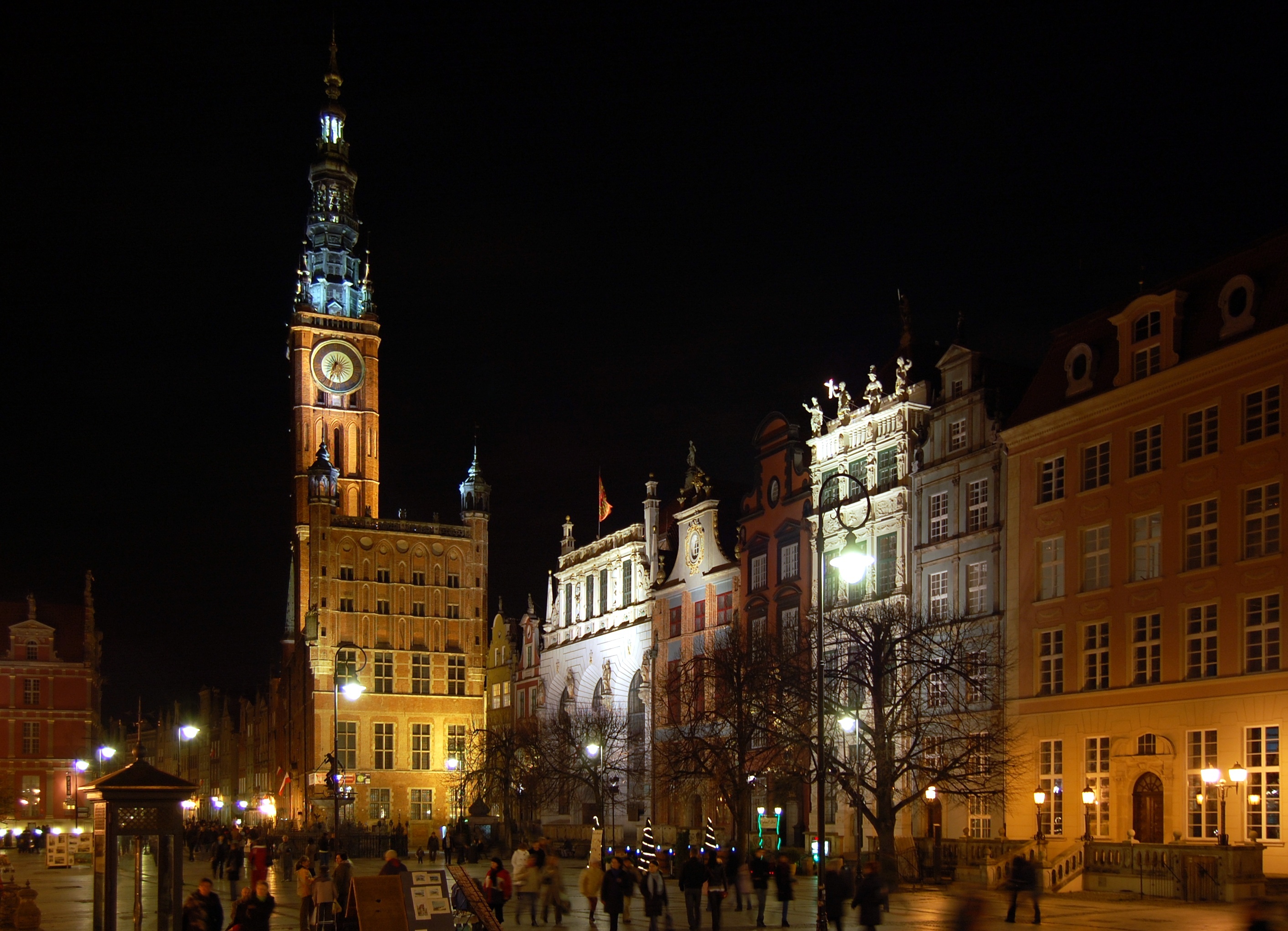
Long Market
Gdańsk
Długi Targ, or the Long Market, is the grand main square of Gdańsk's Main Town and one of the city's best-known tourist attractions. It continues Ulica Długa, and the two together form the Royal Route, the ceremonial path once followed by Polish monarchs arriving in the city. Today it is the natural starting point for any walk through the old town. What is Długi Targ and where is it? The square lies between the end of Ulica Długa and the Green Gate, which opens onto the Motława River. Its elongated shape is lined with tall, richly decorated townhouses. Historically it served as the city's main marketplace and a stage for ceremonies, fairs and merchant gatherings. What to see on Długi Targ Neptune's Fountain is among the most recognisable symbols of Gdańsk. Work began in 1606: the stone elements were designed and carried out by Abraham van den Blocke, while the figure of the sea god was cast by Peter Hausen. The work was finished in 1615, but technical difficulties delayed its installation on the square until the second half of 1633. The formal unveiling, with a decorative wrought-iron grille around it, took place in spring 1634. Artus Court stands right behind the fountain. Its name refers to the legendary King Arthur and his Round Table, a symbol of equality among knights. Gdańsk merchants used the image to express that, within their circle, commercial wealth carried the same standing as noble birth. The court was a meeting place for merchants and a centre of the city's social and business life, and it is mentioned in Gdańsk as far back as the mid-14th century. The Main Town Hall, with its tall tower, dominates the square and now houses a museum. It is worth stepping inside to see its representative interiors and climbing the tower for a panorama of the old town. Patrician townhouses, including the Golden House, draw the eye with ornate facades, carved portals and rich detail. Many were rebuilt after wartime destruction, so a stroll along the square is also a lesson in the city's postwar reconstruction. How to visit Start at the Golden Gate and Ulica Długa, then walk the length of the square to the Green Gate by the river. The walk itself takes a quarter of an hour, but with a visit to the town hall or Artus Court and a pause at a cafe terrace you can easily spend two to three hours here. Mornings are calmer and better for photographing facades without crowds. In the evening the townhouses are nicely lit and the area is lively. Frequently asked questions Is there an entrance fee? No, the square is a public space in the city centre. Only the interiors, such as the town hall or Artus Court, have their own visiting rules. What is the Royal Route? It is the historic sequence of Ulica Długa and Długi Targ, along which Polish kings passed during visits to Gdańsk. Today it is the main walking route through the Main Town. How long does a visit take? A walk takes roughly 15 to 30 minutes. With a museum visit and a coffee break, plan on a few hours. Can I walk here from the train station? Yes, the Main Town is close to the railway station and the whole area is pedestrian-friendly.
-
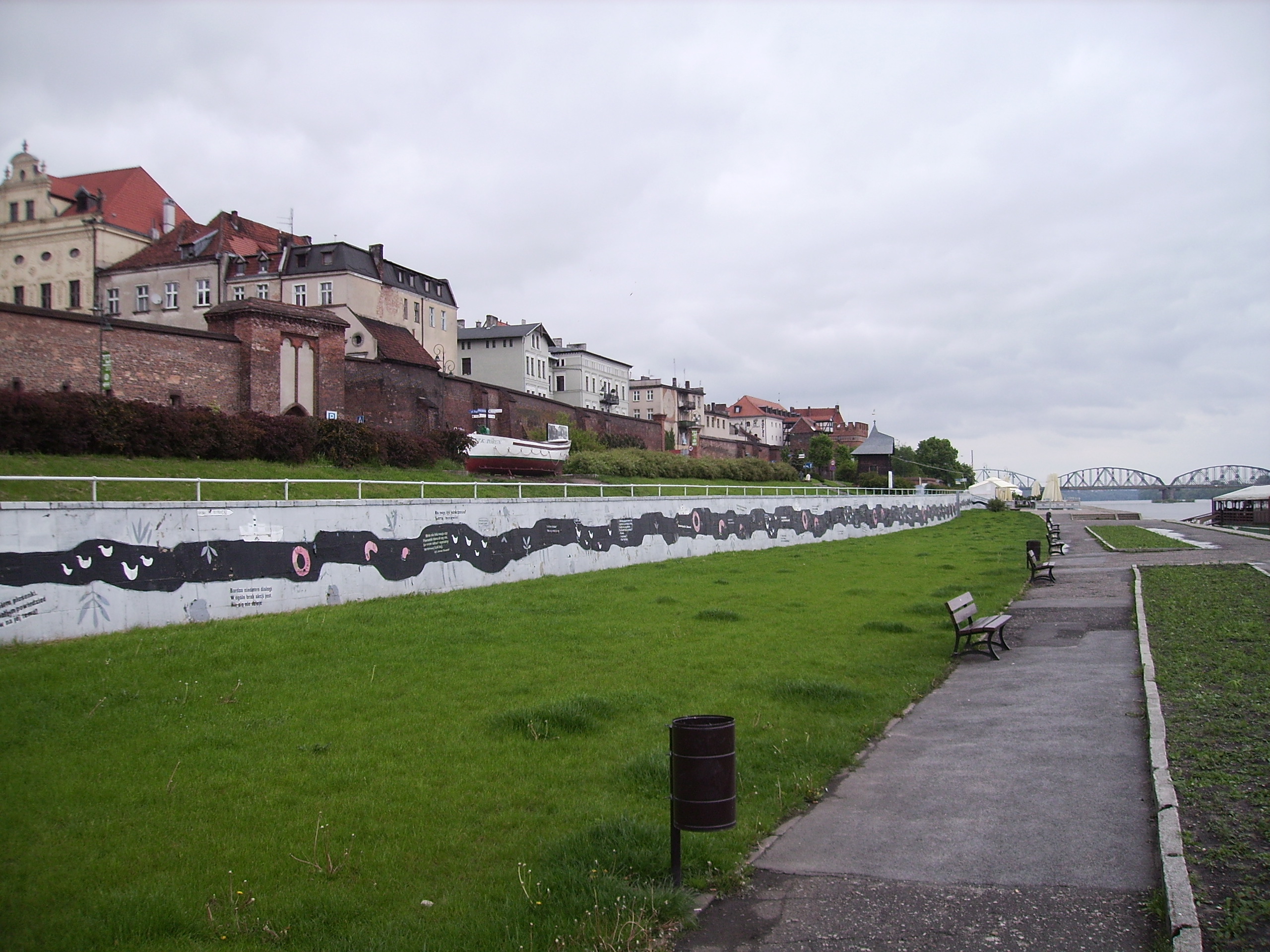
Bulwar Filadelfijski w Toruniu
Toruń
Boulevard Filadelfijski is one of the most pleasant places in Toruń for a relaxed walk with beautiful views of the Vistula River and the city’s historic skyline. It’s a great spot to slow down, enjoy the atmosphere, and feel the charm of one of Poland’s most picturesque Old Towns. Here you can: stroll along the riverside promenade admire the medieval fortifications and old-town panoramas watch boats on the river or enjoy sunset views take a break on benches and open green spaces It’s especially enjoyable in the evening or on warm days, when the promenade comes alive with locals and visitors. Wear comfortable shoes, bring a camera, and combine your visit with a trip to Toruń’s Old Town, which is just nearby.
-
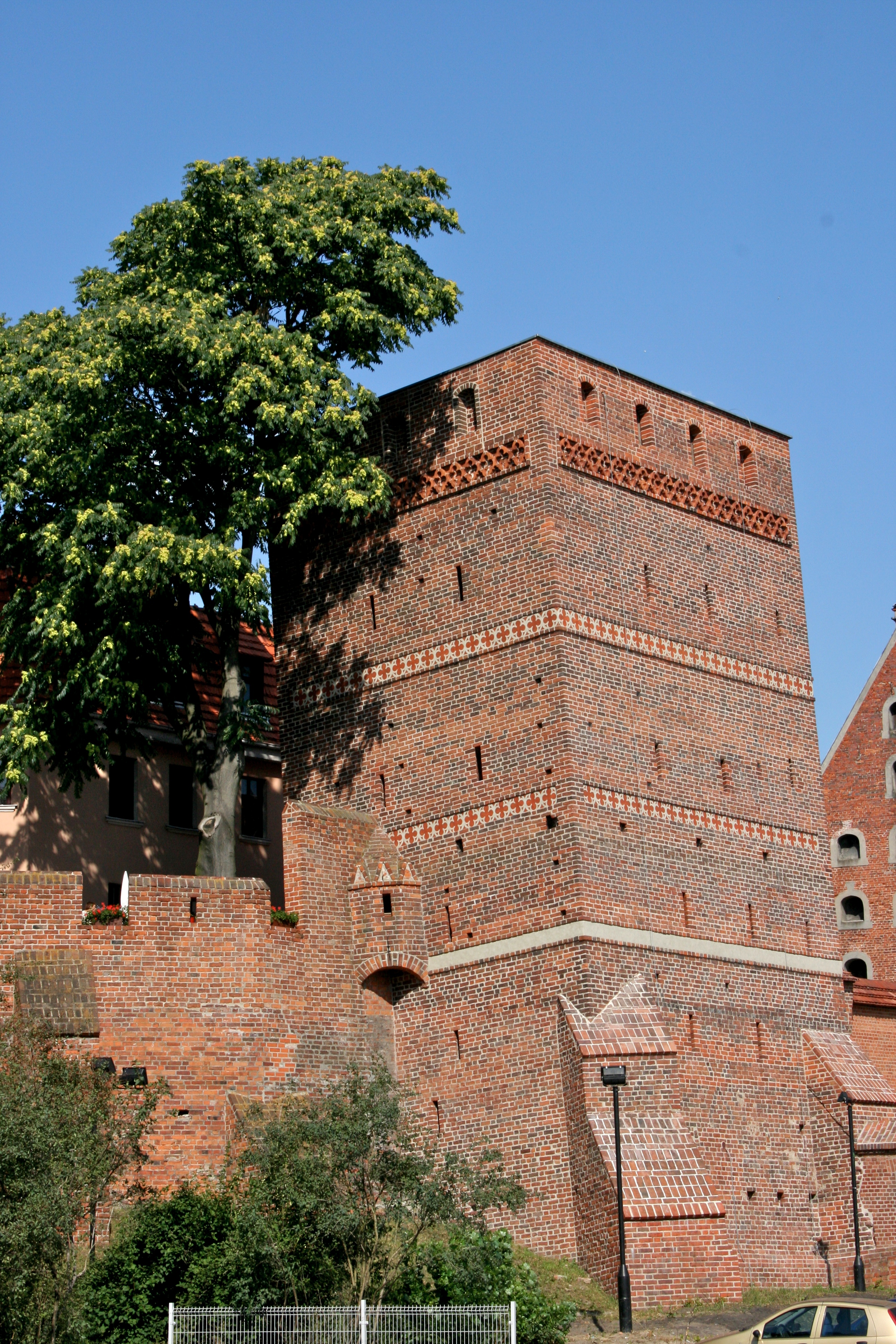
Krzywa Wieża w Toruniu
Toruń
The Leaning Tower in Toruń (Krzywa Wieża) is a medieval town tower in the Old Town that has tilted northward for centuries. Today it is one of the most photographed small landmarks in the city. It cannot match the scale of the great Brick Gothic towers elsewhere in Toruń, but its odd silhouette makes visitors stop almost instinctively. What is the Leaning Tower? It is one of several dozen towers that once reinforced Toruń's defensive walls. It was built around the turn of the 13th and 14th centuries as a plain tower roughly fifteen metres tall. It was never a major military structure: standing in line with the walls, it served mainly as an auxiliary watchtower, of which the city had many. A curious detail of its construction is that the tower was set on a four-sided foundation but left without a finished wall on the town side. That missing section was only filled in much later. Why does it lean? The reason lies underground. The tower rose on sandy, clayey soil that began to give way under the weight of the masonry. The sand shifted, the structure started to tilt, and eventually it came to rest on firmer ground and stopped moving. The lean developed as early as the 14th century. Today the deviation from vertical over a height of about 15 metres is just under one and a half metres, clearly visible, especially when you look at the tower from the street side. How did its use change? In the 18th century the missing wall on the town side was built, and the interior was turned into a lock-up for women. In the 19th century the function changed again: the tower housed a forge and apartments. This sequence shows how former defensive structures, once they lost their military role, found new uses in the fabric of the city. What to know before you visit The tower stands within Toruń's Old Town, a UNESCO World Heritage site, so it is easy to combine with a walk through the whole historic centre. It looks best from several sides: the street side shows the greatest tilt, while other viewpoints let you appreciate its mass and brick walls. It is a short stop of a few minutes, which makes it a good part of a longer route around the city. A popular tourist habit is the photo in which a visitor appears to hold the tower up, which works best from a low camera angle. Frequently asked questions Does the Leaning Tower in Toruń really lean? Yes. The tilt to the north is real and results from the sandy ground shifting under the tower's weight. When was it built? Around the turn of the 13th and 14th centuries, as part of the city's fortifications. Was it an important defensive point? No. As a tower in the line of the walls it played a supporting role, mostly for observation. What was it used for later? In the 18th century it held a women's lock-up, and in the 19th century a forge and apartments. Is it the only tilted tower in Toruń? It is the best known, and its name has become a handy meeting spot for people strolling around the Old Town.
-
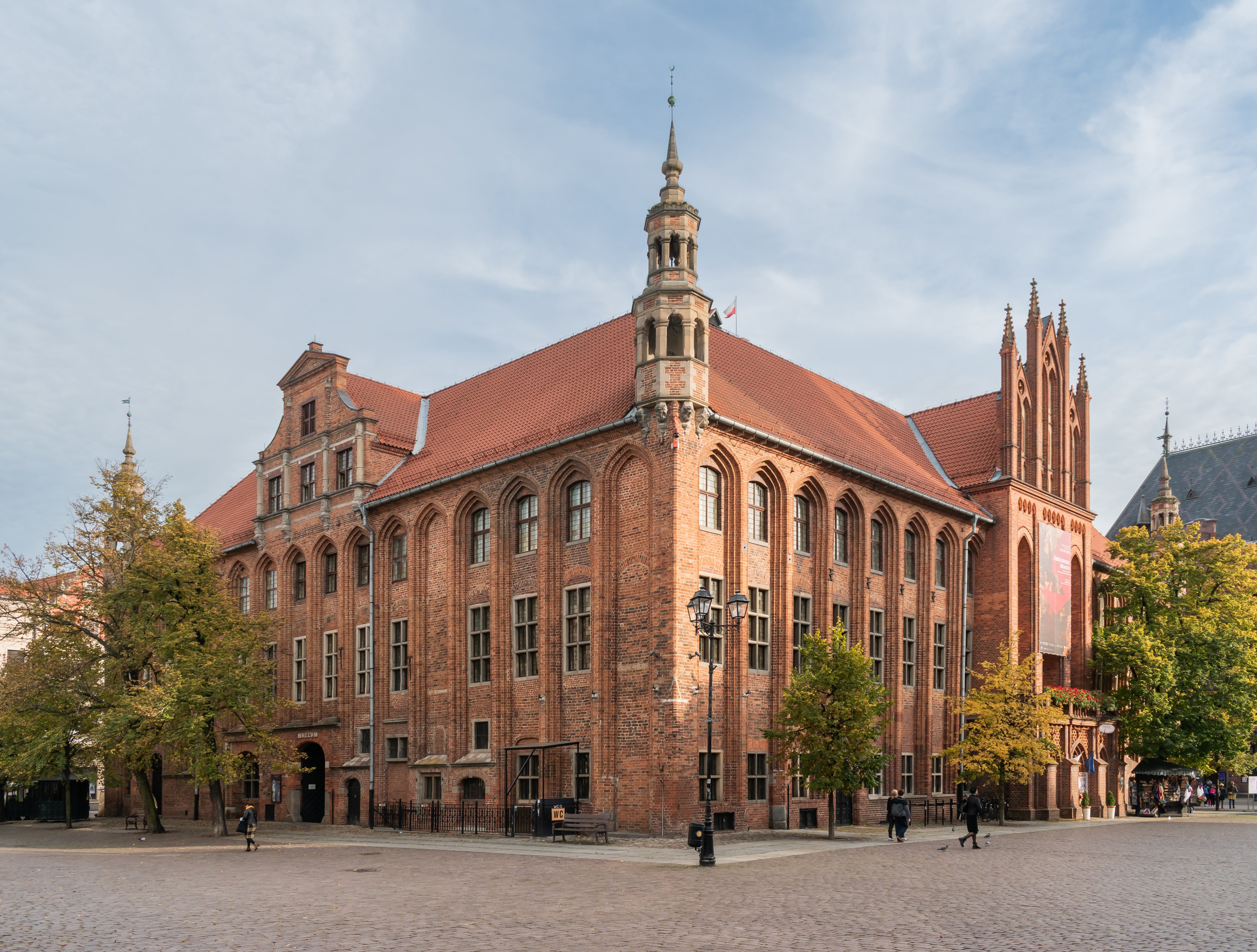
Ratusz Staromiejski w Toruniu
Toruń
The Old Town Hall in Toruń is one of the largest brick buildings of its kind in Europe and the most important monument of Toruń's Old Town. This Gothic landmark stands in the middle of the Old Town Market Square and today serves as the main seat of the District Museum in Toruń. How was the town hall built? The complex grew in stages across the 13th and 14th centuries. The oldest part is the tower, raised well before the rest of the building was finished and later made taller and crowned with a metal helmet. The wings and halls were added towards the end of the 14th century, forming a square building around an inner courtyard. For centuries it was the seat of the city authorities and the commercial heart of town. Fairs were held nearby, oaths of allegiance to rulers were sworn, knightly tournaments took place, and at times public executions were carried out in front of it. What did Mannerism change? Between 1602 and 1603 the town hall was thoroughly rebuilt to a design by the Flemish architect Antoni van Oppergen. The building gained an extra storey and stone decoration: gables, corner turrets and window frames. Despite these changes, the Gothic character of the whole remained clear, which is why the town hall is regarded as one of the finest examples of medieval burgher architecture in Central Europe. The building suffered damage in the 18th century and was subsequently rebuilt. What was it like inside in the past? The ground floor housed merchants' stalls: a cloth hall, bread benches and dozens of small shops, along with a courtroom. The upper floor belonged to the city government. It held the council chamber and the great Burghers' Hall, where Polish kings were regularly entertained during their visits to Toruń. What can you see in the museum? The permanent exhibitions introduce the city's history and art: the Gallery of Gothic Art, the Court Room, "Old Toruń: History and Artistic Craftsmanship 1233-1793", the Burghers' Hall with a gallery of burgher portraits from the 16th to 18th centuries, the Royal Hall with the "Procession of Polish Kings" exhibition. The building also hosts celebrations, cultural events and gatherings, so it is worth checking the current programme during your visit. Can you climb the tower? Yes. The tower, about 40 metres tall, offers views over the Old Town rooftops, the market square, the Gothic churches and the course of the Vistula. It is one of the best viewpoints in central Toruń, and the climb up the stairs gives you a feel for the thickness of the medieval walls. Frequently asked questions Where is the Old Town Hall? On the Old Town Market Square, in the heart of Toruń's Old Town complex. It is hard to miss on a walk through the historic centre. What architectural style is it? Mainly Gothic, with Mannerist additions from the early 17th century such as gables, corner turrets and stone window frames. What is inside? The main seat of the District Museum in Toruń, with a Gothic art gallery, a court room, an exhibition about old Toruń and the representative halls. How long should I plan for a visit? Around two hours is a good allowance for the exhibitions and the tower, longer if you like reading every label and taking your time. Is it a good place to start exploring the city? Yes. The square around the town hall is a natural starting point for a stroll among the Old Town's monuments, and the interiors are a good introduction to Toruń's history.
-
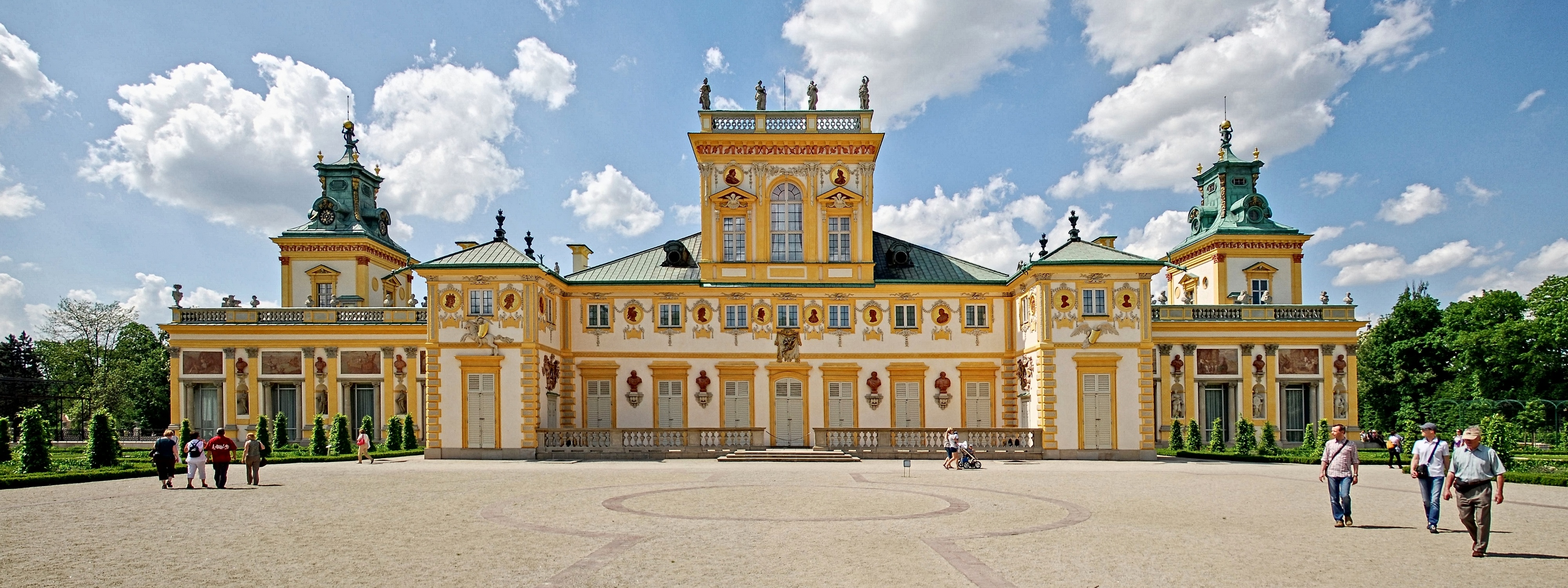
Pałac w Wilanowie
Warszawa
Wilanów Palace is a Baroque royal residence in the south of Warsaw, one of the few grand historic sites in the capital that came through the wars of the past largely intact. The palace and its gardens form a palace-and-park complex that has ranked among Poland's finest addresses for over three centuries. Who built Wilanów Palace? The residence was built for King John III Sobieski and Queen Marie Casimire. The king bought the village of Milanów in 1677 and wanted a summer home there modelled on an Italian villa set within a garden. He called it "Villa Nova", which Varsovians gradually turned into "Wilanów". Construction ran from 1681 to 1696 to a design by Augustyn Wincenty Locci, the king's secretary and artistic adviser. The building has the proportions of a country villa, yet its facades carry sculptures, cartouches and reliefs celebrating the king's victories, including the Relief of Vienna. How did the palace change after the Sobieskis? After Sobieski's death the estate passed through several hands. In 1720 it came to Elżbieta Sieniawska, daughter of Stanisław Herakliusz Lubomirski. She added the side wings (built 1723–1729), renovated the garden and hired artists to decorate the interiors. Later Lubomirski owners, among them Maria Zofia Denhoff and Izabela Czartoryska Lubomirska, gave the residence an artistic character rooted in Baroque and Rococo taste. Poland's first art museum In the 19th century Aleksandra Potocka and her husband Stanisław Kostka Potocki built up a collection of art. In 1805 a museum opened at Wilanów that welcomed visitors from every social class, regarded as the first public art museum in Poland. Today the palace houses the Museum of King Jan III's Palace at Wilanów, and nearby buildings are home to the Poster Museum, which presents a collection of graphic art and posters. What to see at Wilanów The palace interiors: state rooms, portraits, furniture and historic art collections. The Baroque garden, laid out on two levels and descending in terraces toward the lake. Its present form is the result of reconstruction in the 1950s. The rose garden, in a neo-Renaissance style. The English-style landscape park, ideal for a walk after touring the rooms. The Poster Museum, the first museum of its kind in the world, close to the palace. The gardens are being revitalized step by step, so some paths and beds may look different from older photographs. Frequently asked questions How long does a visit take? Allow about an hour for the palace interiors and about as long for the gardens. With a relaxed stroll and a stop at the Poster Museum, half a day works comfortably. Is Wilanów a good place to visit with children? Yes. The extensive gardens and park offer plenty of room to move around, and the route through the rooms is a good way to tell the story of King Sobieski's era. Is the palace worth visiting in any season? The grounds change through the year: greenery and roses in spring and summer, colourful foliage in autumn. Check the museum's website for interior opening hours before you go. Why is it called Wilanów? The name comes from the Italian "Villa Nova", meaning "new villa", the title the king gave his residence. Who designed the palace? Augustyn Wincenty Locci designed it, while the later wings were added under Elżbieta Sieniawska.
-
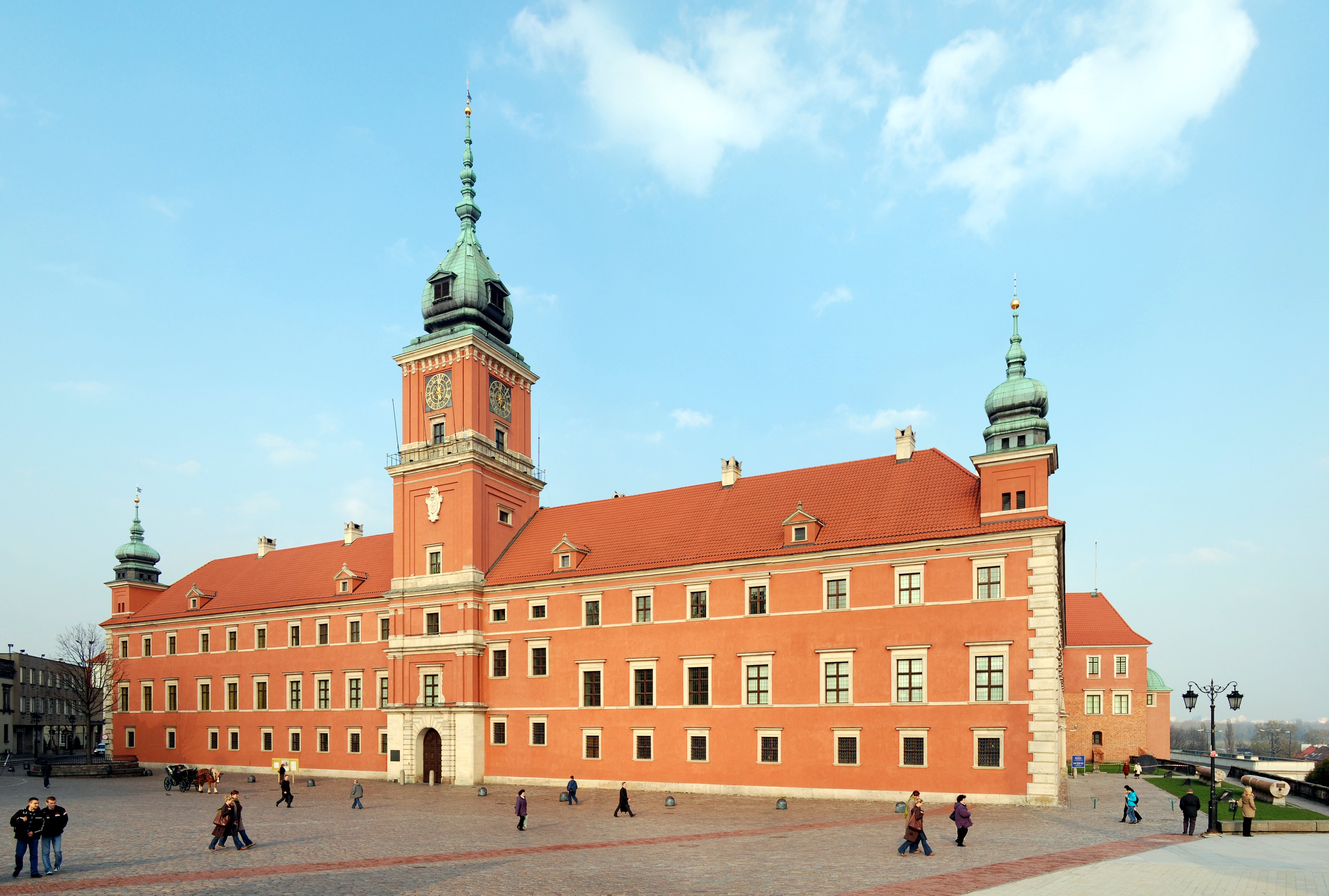
Zamek Królewski w Warszawie
Warszawa
The Royal Castle in Warsaw is one of the most important symbols of Polish statehood and a museum that tells the story of the old Polish-Lithuanian Commonwealth. It stands on Castle Square, at the edge of the Old Town and right above the Vistula escarpment, and for many visitors it is the first stop on a walk through the capital. How did the castle come about, and why does it matter? The origins of the stronghold go back to the Middle Ages, when a fortified settlement of the Dukes of Masovia stood here. The turning point came around the turn of the 17th century. King Sigismund III Vasa moved his court from Kraków to Warsaw, and the existing residence was expanded in an early Baroque style, with a pentagonal courtyard and splendid interiors. From then on the castle served as the seat of monarchs and the place where the parliament met. In the 18th century the interiors were remodelled under Stanisław August Poniatowski. The king, a great patron of the arts, surrounded himself with artists and scholars, and some of the rooms took on a Neoclassical character. It was here, on 3 May 1791, that the Constitution of 3 May was adopted, one of the first modern written constitutions in Europe. It remains a source of national pride and a major thread in the museum's story. What happened to the castle during the war? In September 1939 the castle was badly damaged in an air raid. Museum staff led by Stanisław Lorentz managed to rescue many pieces of decoration and works of art, which later proved crucial for the reconstruction. After the Warsaw Uprising collapsed in 1944, the Germans blew up the ruins, leaving little more than fragments of walls. For two decades after the war no decision on rebuilding was taken. Work finally began in the early 1970s, backed by an enormous public effort and fundraising at home and among Poles abroad. The reconstruction lasted until 1984 and restored the castle to its pre-war form, using surviving details along with old engravings and paintings. Today the Old Town complex, of which the castle is part, is on the UNESCO World Heritage List. What is worth seeing inside? The visit covers the state rooms where official ceremonies once took place. Among the best known are: The Great Assembly Hall, richly decorated and regarded as one of the most impressive interiors in the castle; The Ballroom, with its sculptures and gilding, where grand receptions were held; The Canaletto Room, which displays views of Warsaw by Bernardo Bellotto, known as Canaletto, valuable also as a record of how the city once looked; The Marble Room and the Throne Room, showing the splendour of Stanisław August's court; The Royal Apartments and chambers, with furniture, textiles and collections of paintings and decorative arts. The collection includes works by old masters, among them Rembrandt, as well as portraits of rulers and dignitaries. Frequently asked questions Is the castle a museum or a government building? It is both. It operates as a museum, but it also serves ceremonial functions and hosts important state occasions and concerts. How much time should I allow? For a relaxed look at the main routes, plan about two hours, and more if you are keen on art and history. Is the castle original? Not entirely. The building was reconstructed after wartime destruction, but many pieces of decoration, sculptures and paintings are originals rescued in 1939 or recovered later. What is nearby? The Sigismund's Column stands right next to it, and beyond it begins the Old Town Market Square, with its narrow streets, townhouses and medieval defensive walls. From Castle Square you can also easily reach the Royal Route leading to Krakowskie Przedmieście. Who is it for? The castle suits lovers of Polish history, architecture and art, as well as families who want to show children what life at a royal court was like. It is also a convenient starting point for exploring the rest of the Old Town.
Earn badges for the places you visit
Download NextOnTrip, discover new places and check off your trails.