Save this place and discover nearby attractions with NextOnTrip
In the app you can add it to your favorites, see what else is worth visiting nearby on the map, and earn a badge for your visit.
The app is available for iPhone and Android.
About this place
Kraków Old Town is the historic heart of the city and one of the best-preserved medieval urban layouts in Europe. In 1978 it was inscribed on the UNESCO World Heritage List, among the first twelve sites in the world. Today it is a living city centre, a favourite meeting place and the most visited area in southern Poland.
How did the Old Town come to be?
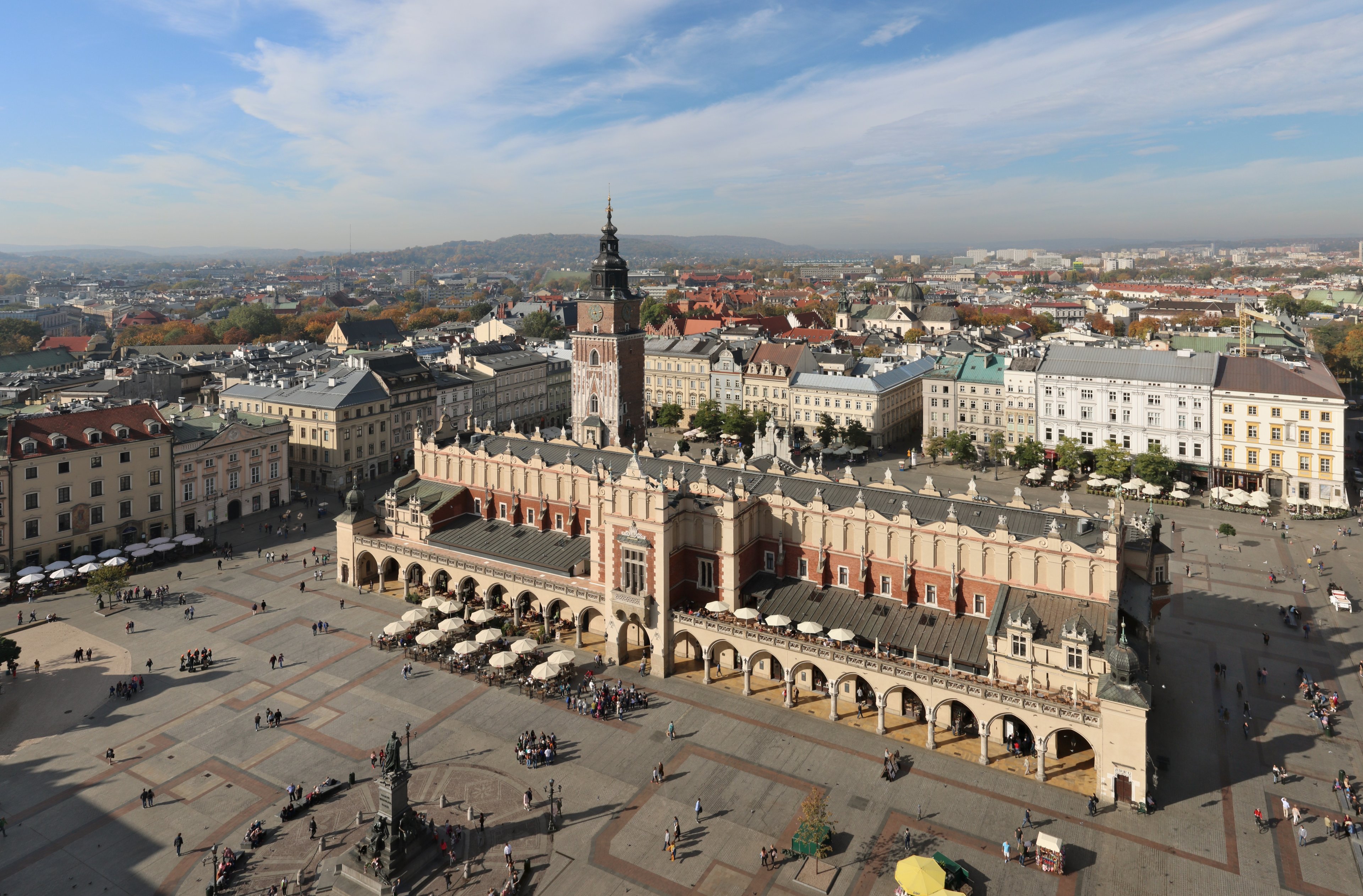
The city was chartered under Magdeburg law in 1257 by Duke Bolesław the Chaste. Planners laid out a regular grid of streets around a vast trading square, the Main Market Square, about 200 metres on each side. It remains one of the largest medieval squares in Europe. Three streets leave each side of the square, and only Grodzka Street runs diagonally, because it follows an older trade route and skirts churches that were already standing.
What is there to see on the Main Market Square?
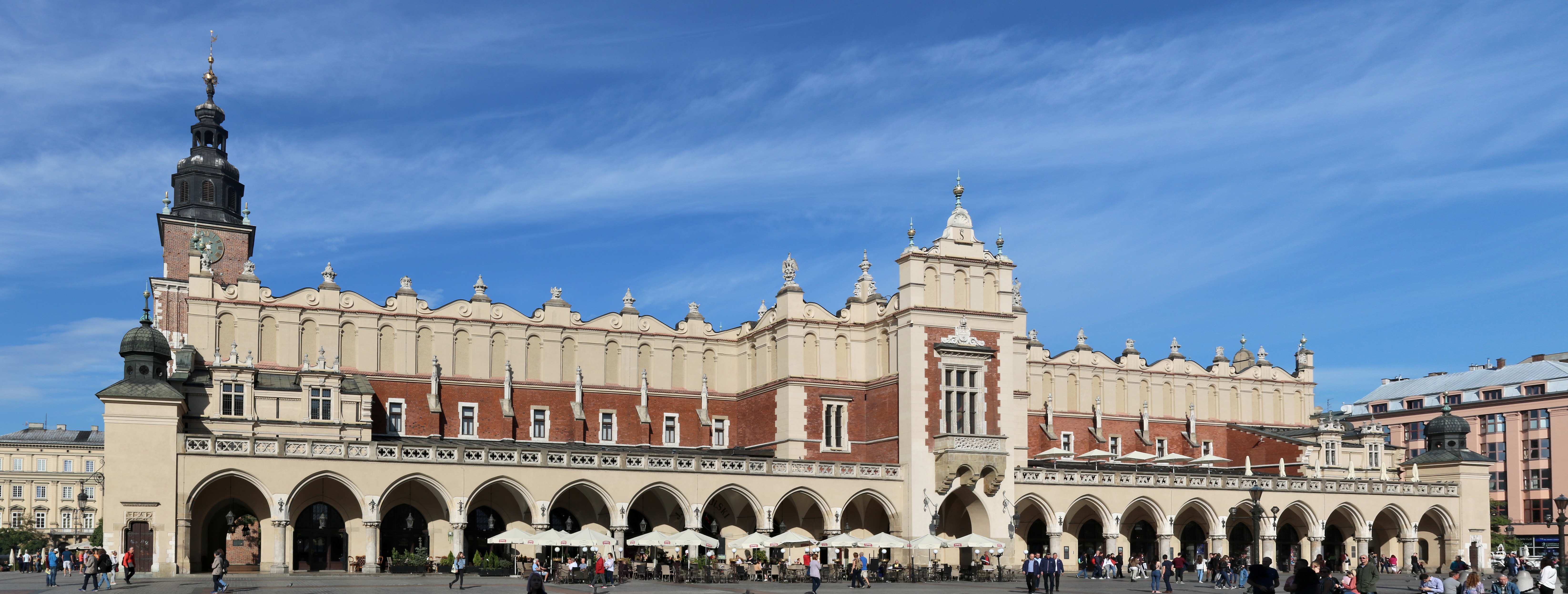
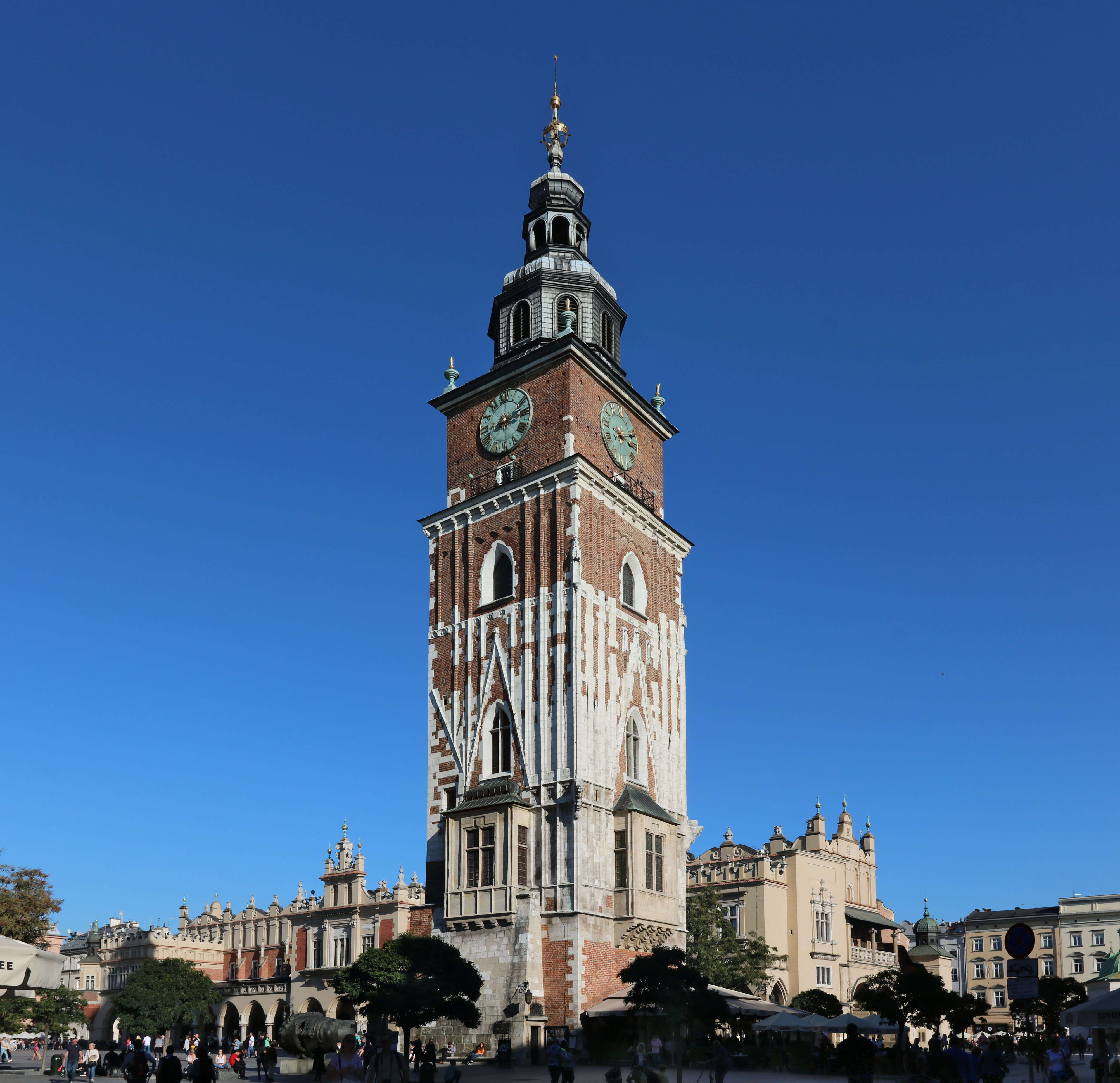
The centre of the square is occupied by the Cloth Hall, a Renaissance merchants' building with arcades. Stalls selling souvenirs fill the ground floor, while a gallery of Polish art occupies the upper level. Rising above the square is St. Mary's Basilica, with its two uneven towers and the famous altarpiece by Veit Stoss. Every hour a bugle call sounds from the taller tower, broken off mid-melody in memory of a legendary trumpeter. Nearby stands the lone Town Hall Tower, all that remains of the medieval town hall.
Which landmarks hide in the surrounding streets?
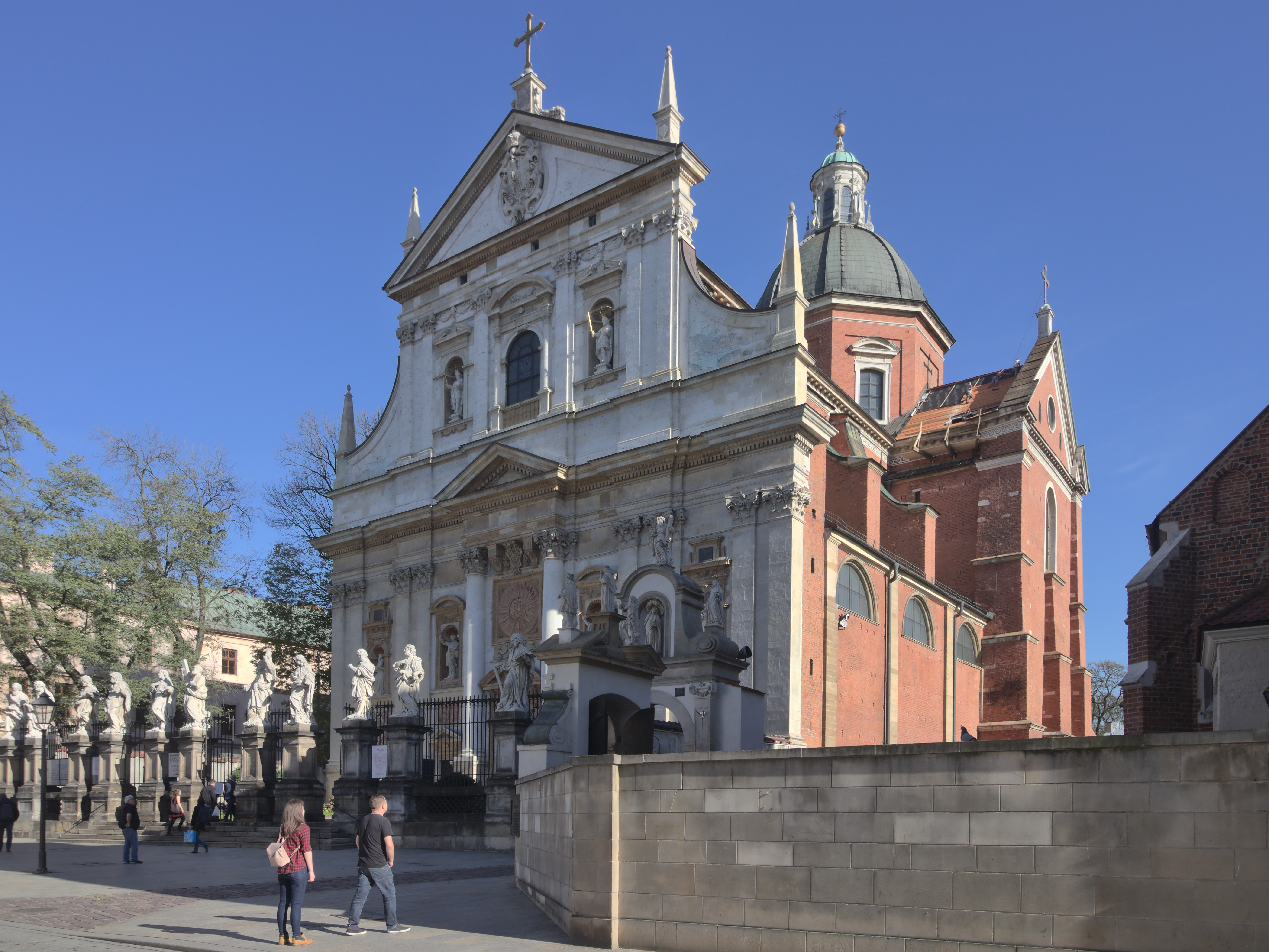
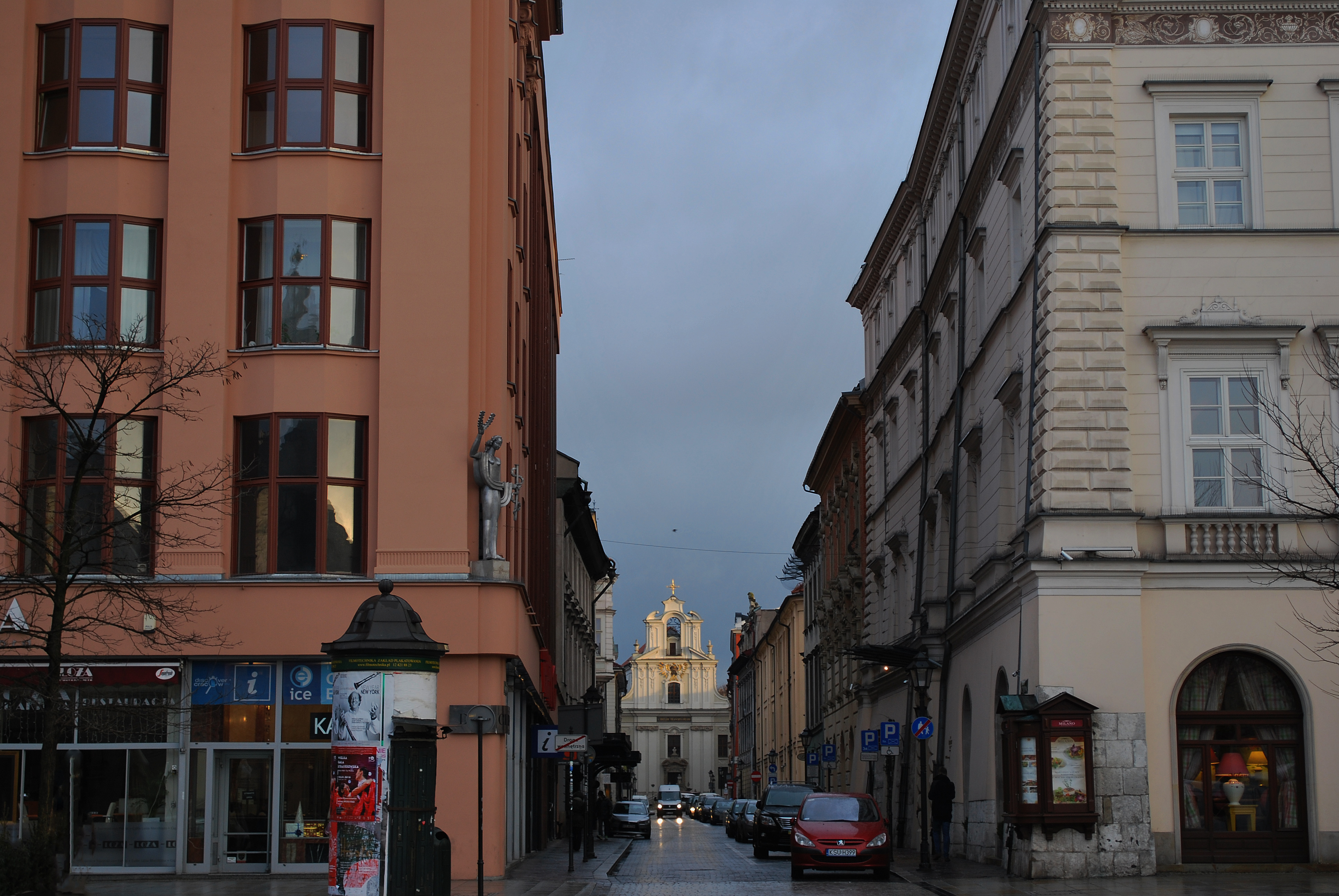
Floriańska Street leads from the square to St. Florian's Gate, the best-preserved fragment of the old defensive walls, with the round Barbican just beyond. Grodzka Street takes you towards Wawel Hill, while Bracka and Sienna streets are lined with townhouses that have Gothic cellars. Collegium Maius on Jagiellońska Street, the oldest building of the Jagiellonian University, is a reminder that Kraków has been a centre of learning since the fourteenth century. The many churches are worth a visit too, including those of Saints Peter and Paul and of the Dominicans and Franciscans.
What are the Planty?
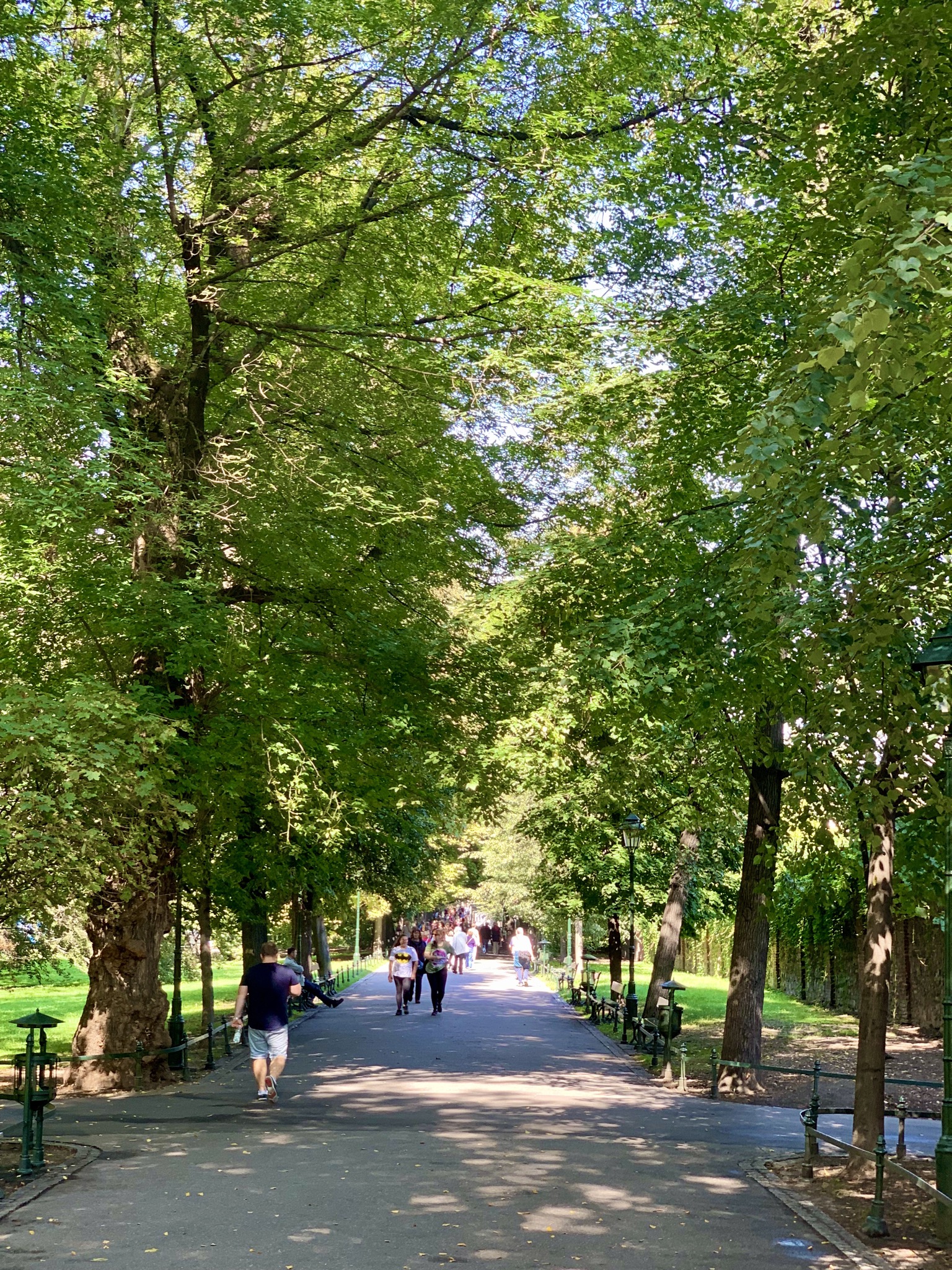
The edge of the Old Town is traced almost perfectly by the Planty, a ring of parkland. It was created in the early nineteenth century on the site of the demolished city walls and moat. A walk all the way around takes roughly an hour and shows the centre from the outside, in the shade of trees, with benches and fountains along the way.
When is the best time to visit?
Early morning and late evening are the calmest times on the square, when the facades are beautifully lit. During the day it is worth stepping into museums and churches, and after dark into the cafés and cellar clubs the area is known for. The Old Town is compact and best explored on foot, with a large zone of limited car traffic.
Frequently asked questions
How long does it take to see the Old Town? Half a day is enough for a relaxed walk past the main sights, but if you want to enter museums and the basilica, plan a full day.
Is Kraków Old Town a UNESCO site? Yes. Together with the Main Market Square it was inscribed in 1978, among the very first entries on the list.
Can I walk here from Wawel? Yes. Grodzka Street leads straight from the foot of Wawel Hill to the Main Market Square, a walk of a few minutes.
Why does the St. Mary's bugle call stop mid-tune? According to Kraków legend, it commemorates a trumpeter who warned the city of an attack and was struck by an arrow while playing.
Nearby places

Earn badges for the places you visit
Download NextOnTrip, discover new places and check off your trails.