Save this place and discover nearby attractions with NextOnTrip
In the app you can add it to your favorites, see what else is worth visiting nearby on the map, and earn a badge for your visit.
The app is available for iPhone and Android.
About this place
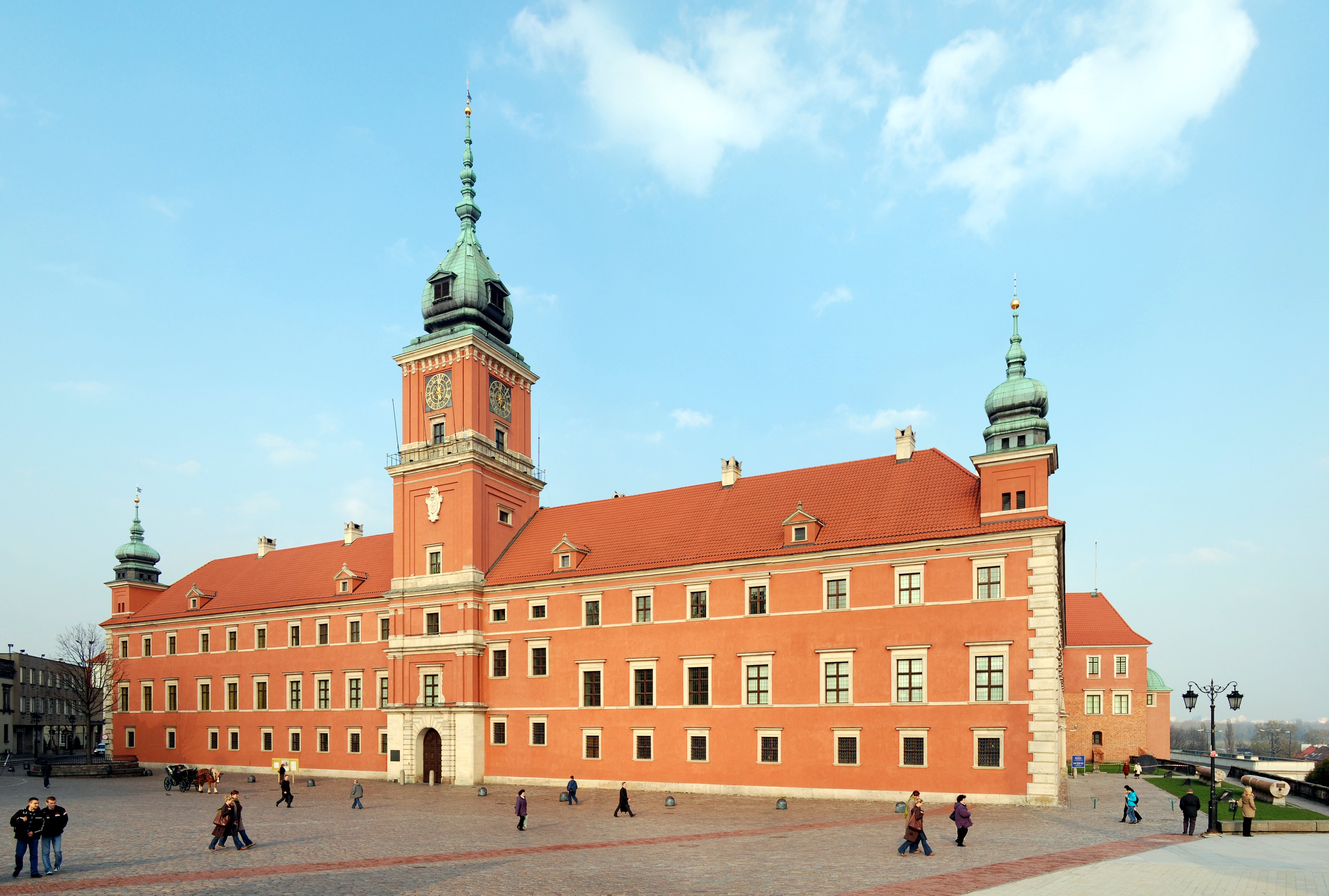
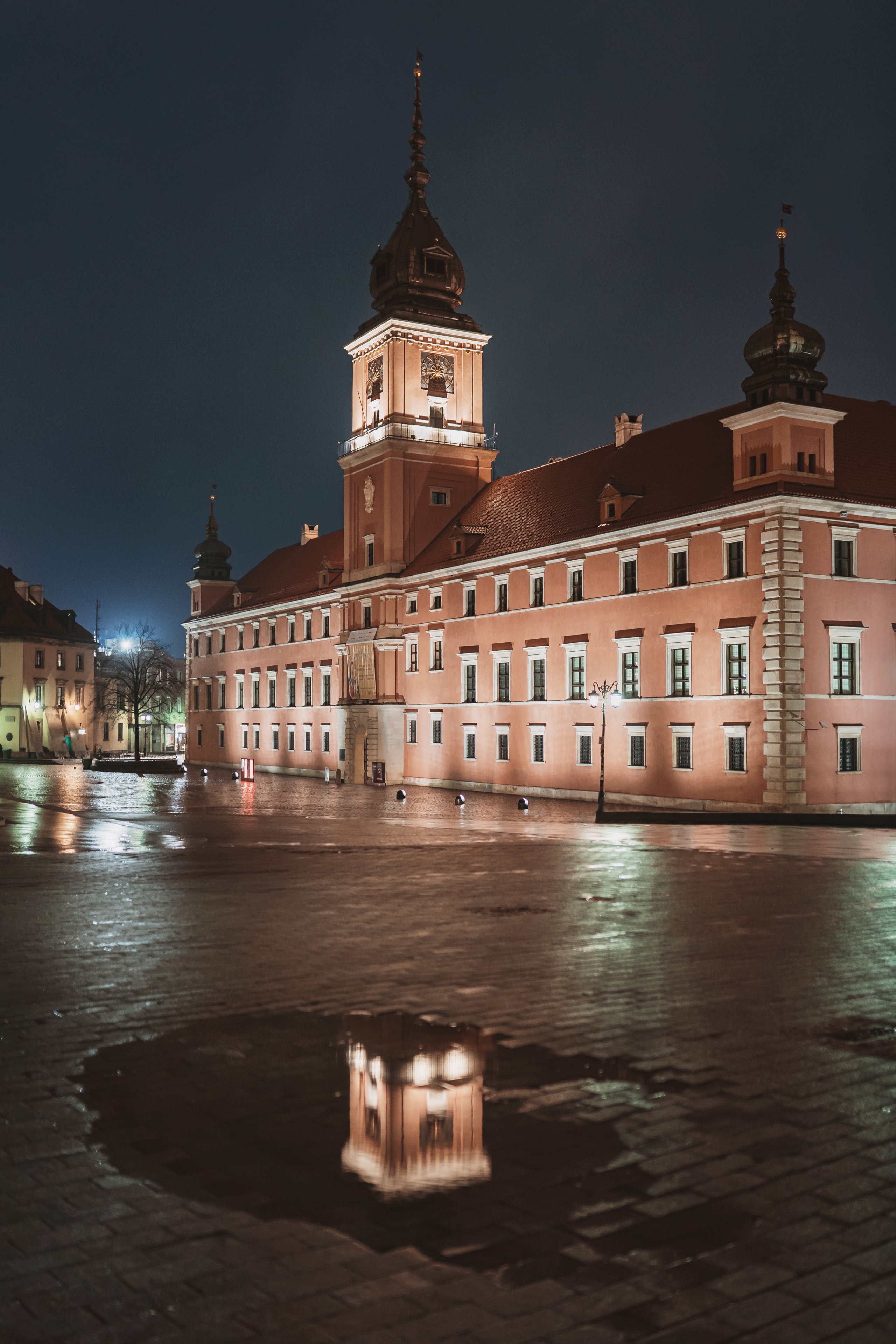
The Royal Castle in Warsaw is one of the most important symbols of Polish statehood and a museum that tells the story of the old Polish-Lithuanian Commonwealth. It stands on Castle Square, at the edge of the Old Town and right above the Vistula escarpment, and for many visitors it is the first stop on a walk through the capital.
How did the castle come about, and why does it matter?
The origins of the stronghold go back to the Middle Ages, when a fortified settlement of the Dukes of Masovia stood here. The turning point came around the turn of the 17th century. King Sigismund III Vasa moved his court from Kraków to Warsaw, and the existing residence was expanded in an early Baroque style, with a pentagonal courtyard and splendid interiors. From then on the castle served as the seat of monarchs and the place where the parliament met.
In the 18th century the interiors were remodelled under Stanisław August Poniatowski. The king, a great patron of the arts, surrounded himself with artists and scholars, and some of the rooms took on a Neoclassical character. It was here, on 3 May 1791, that the Constitution of 3 May was adopted, one of the first modern written constitutions in Europe. It remains a source of national pride and a major thread in the museum's story.
What happened to the castle during the war?
In September 1939 the castle was badly damaged in an air raid. Museum staff led by Stanisław Lorentz managed to rescue many pieces of decoration and works of art, which later proved crucial for the reconstruction. After the Warsaw Uprising collapsed in 1944, the Germans blew up the ruins, leaving little more than fragments of walls.
For two decades after the war no decision on rebuilding was taken. Work finally began in the early 1970s, backed by an enormous public effort and fundraising at home and among Poles abroad. The reconstruction lasted until 1984 and restored the castle to its pre-war form, using surviving details along with old engravings and paintings. Today the Old Town complex, of which the castle is part, is on the UNESCO World Heritage List.
What is worth seeing inside?
The visit covers the state rooms where official ceremonies once took place. Among the best known are:
- The Great Assembly Hall, richly decorated and regarded as one of the most impressive interiors in the castle;
- The Ballroom, with its sculptures and gilding, where grand receptions were held;
- The Canaletto Room, which displays views of Warsaw by Bernardo Bellotto, known as Canaletto, valuable also as a record of how the city once looked;
- The Marble Room and the Throne Room, showing the splendour of Stanisław August's court;
- The Royal Apartments and chambers, with furniture, textiles and collections of paintings and decorative arts.
The collection includes works by old masters, among them Rembrandt, as well as portraits of rulers and dignitaries.
Frequently asked questions
Is the castle a museum or a government building? It is both. It operates as a museum, but it also serves ceremonial functions and hosts important state occasions and concerts.
How much time should I allow? For a relaxed look at the main routes, plan about two hours, and more if you are keen on art and history.
Is the castle original? Not entirely. The building was reconstructed after wartime destruction, but many pieces of decoration, sculptures and paintings are originals rescued in 1939 or recovered later.
What is nearby? The Sigismund's Column stands right next to it, and beyond it begins the Old Town Market Square, with its narrow streets, townhouses and medieval defensive walls. From Castle Square you can also easily reach the Royal Route leading to Krakowskie Przedmieście.
Who is it for?
The castle suits lovers of Polish history, architecture and art, as well as families who want to show children what life at a royal court was like. It is also a convenient starting point for exploring the rest of the Old Town.
Nearby places

Earn badges for the places you visit
Download NextOnTrip, discover new places and check off your trails.