Save this place and discover nearby attractions with NextOnTrip
In the app you can add it to your favorites, see what else is worth visiting nearby on the map, and earn a badge for your visit.
The app is available for iPhone and Android.
About this place
Warsaw Old Town is the oldest part of the Polish capital: a compact ensemble of townhouses, churches and fortifications where a medieval street layout meets buildings mostly dating from the 17th and 18th centuries. It has been a UNESCO World Heritage Site since 1980 and is a must-see on a first visit to Warsaw.
What makes the Old Town so special?
Almost everything you see here was rebuilt. During the Second World War, especially after the 1944 Warsaw Uprising, the district was destroyed on a vast scale. Reconstruction began after the war, relying on surviving plans, photographs, surveys and historic views of the city, including paintings by Canaletto. The first stage was finished in 1953, and the rebuilding of the churches, including the cathedral, continued until the mid-1950s. That is why the Old Town has become a symbol of the city's revival and an example of reconstruction recognised as exceptional worldwide.
What to see in the Old Town
The Old Town Market Square is the heart of the district. Colourful townhouses with arcades, once home to merchants and townsfolk, now hold museums, cafes and restaurants. In the middle stands the statue of the Warsaw Mermaid, the city's emblem.
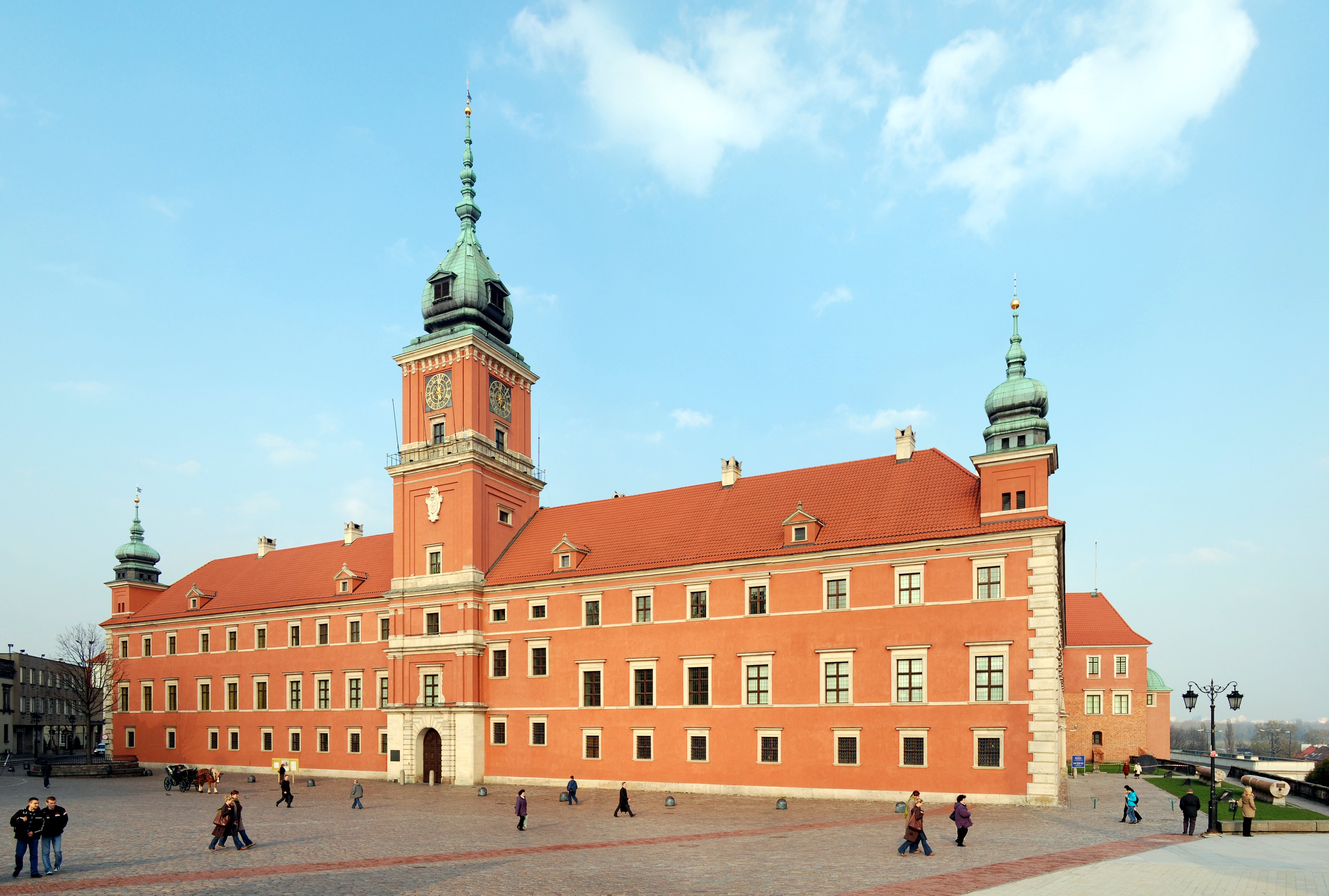
The Royal Castle closes off Castle Square to the south and is one of the area's main landmarks. A former royal residence and seat of government, it is now a museum with grand state interiors.
St. John's Archcathedral is among the oldest churches in the city, the mother church of Warsaw's parishes. Over the centuries it hosted important state and religious ceremonies.
The city walls and the Barbican show that the town was once fortified. The ring of walls dates from the 14th to the 16th century, while the Barbican, a Renaissance defensive gate from the mid-16th century, is one of the Old Town's most recognisable symbols. A stroll along the walls offers a different view of the district.
How to explore the Old Town
Start at Castle Square, walk along Świętojańska Street to the cathedral, then follow the narrow lanes to the Market Square. Peek into side alleys such as the Kamienne Schodki steps and leave through the Barbican towards the New Town. Set aside at least half a day if you want to visit museums or linger in a cafe.
It is quietest in the morning and on weekdays. In the evening the Old Town looks lovely in lamplight, but in summer it can get crowded. The cobblestones are uneven, so comfortable shoes help.
Frequently asked questions
Is Warsaw's Old Town original? Most of the buildings are a post-war reconstruction, carried out with great care for the historic appearance. The scale and quality of that rebuilding is exactly why the ensemble was added to the UNESCO list.
Since when has it been a UNESCO site? Since 1980.
How long does a visit take? A relaxed walk takes two to three hours; with a museum or the castle, plan for a full day.
Is it a good place for families with children? Yes. The district is largely pedestrianised, and the square, the walls and the legends of the Mermaid appeal to younger visitors too.
What else is nearby? The New Town begins right next door, and the Royal Route with the palaces and churches of Krakowskie Przedmieście is a short walk away.
Nearby places

Earn badges for the places you visit
Download NextOnTrip, discover new places and check off your trails.