Monuments in Poland
A guide to 920 Monuments in Poland — with descriptions, photos and traveler visits from the NextOnTrip community. Locations spread across 551 cities and towns. Most visited by the community: Stare Miasto w Olsztynie, Dragon's Den, Lanckorona Castle.
-
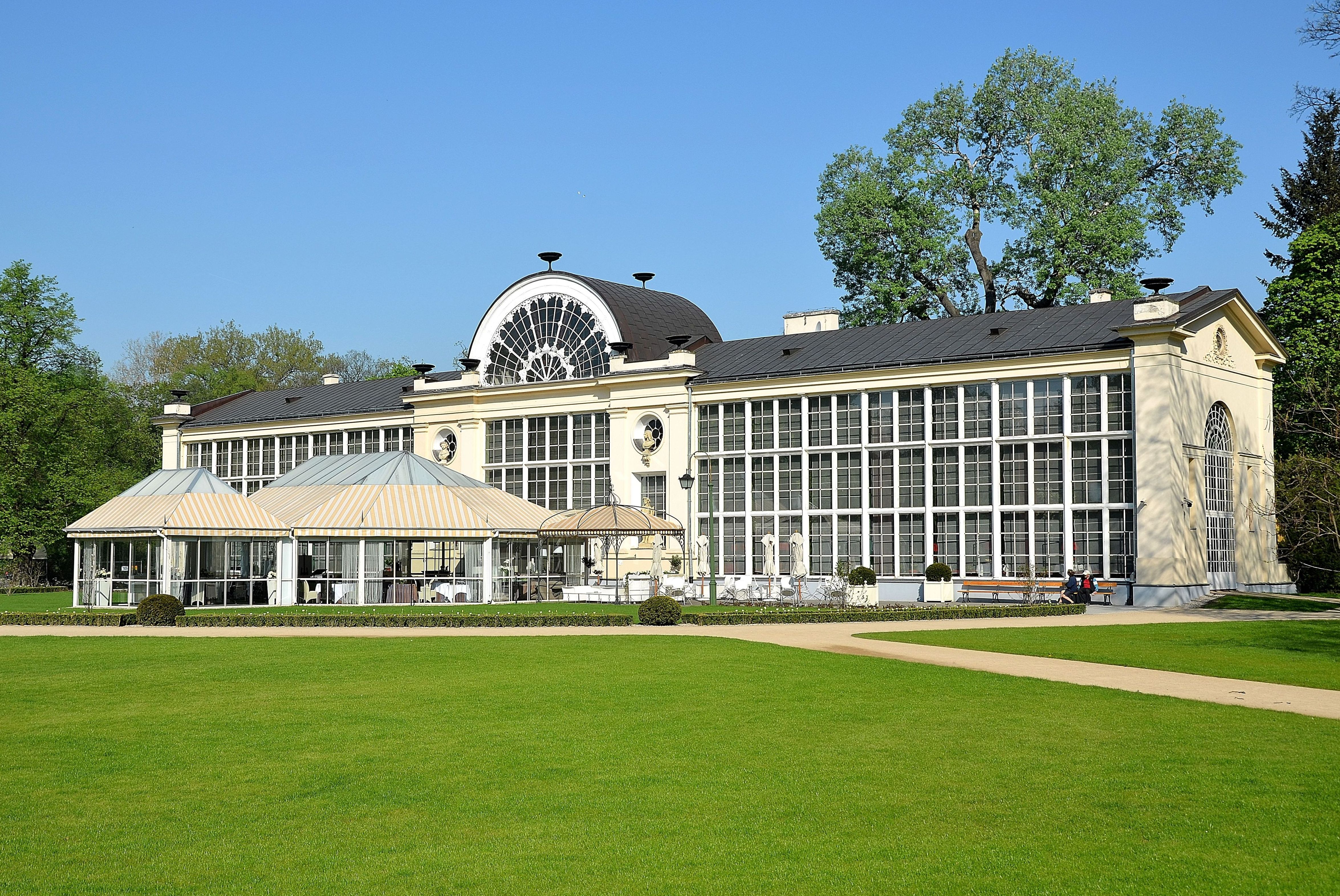
Łazienki Królewskie w Warszawie
Warszawa
Łazienki Królewskie is one of Warsaw’s most beautiful historic parks, combining elegant architecture, peaceful gardens, and a royal atmosphere. It’s worth visiting for a relaxing break from the city and for a glimpse into Poland’s cultural and royal heritage. Here you can stroll along scenic paths, admire the famous Palace on the Isle, see the Chopin Monument, and often spot peacocks, squirrels, and swans. In summer, the park also hosts beloved Chopin piano concerts in the open air. Plan enough time to walk slowly and enjoy the grounds at a relaxed pace. Bring comfortable shoes, especially if you want to explore the whole park. Visit early in the day or on weekdays for a quieter experience. Check the concert schedule if you want to catch a live performance.
-
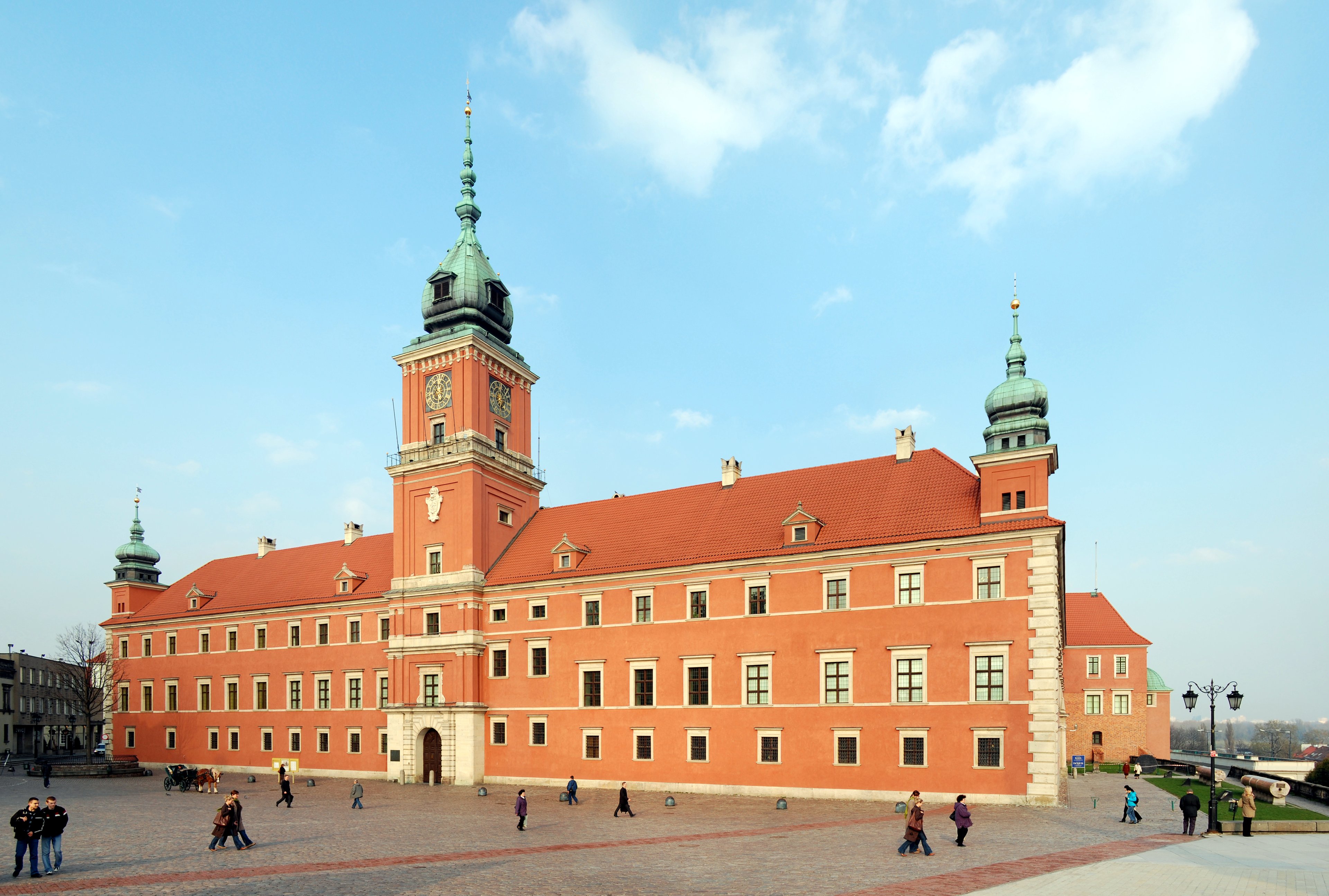
Zamek Królewski w Warszawie
Warszawa
The Royal Castle in Warsaw is one of the city’s most important landmarks, offering a vivid glimpse into Poland’s royal and political history. Rebuilt after World War II, it is well worth visiting for its impressive architecture, rich interiors, and powerful story of restoration. Inside, you can explore elegant state rooms, historic apartments, and galleries filled with paintings, furniture, and decorative art. Don’t miss the Great Assembly Hall, the Marble Room, and the castle square outside, which is especially atmospheric in the evening. The surrounding Old Town area also makes a great addition to your visit. Best for: history lovers, architecture fans, and first-time visitors to Warsaw Tip: visit early in the day to avoid crowds, especially during weekends and peak season Good to know: audio guides and temporary exhibitions can make the experience even richer
-
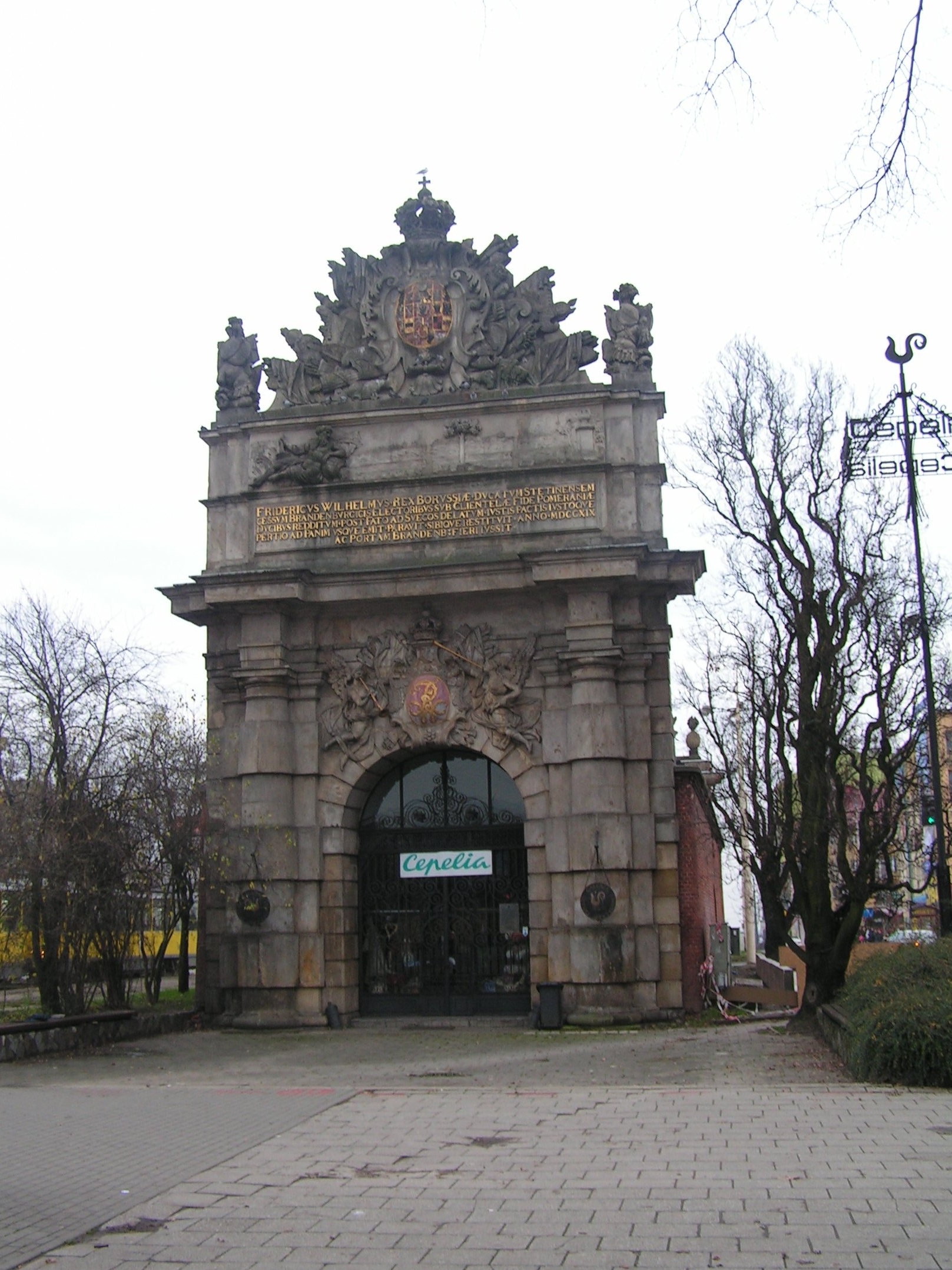
Brama Portowa w Szczecinie
Szczecin
Port Gate is one of Szczecin’s most recognizable landmarks and a striking reminder of the city’s old fortifications. Located in the heart of the city, it’s worth visiting for its elegant baroque architecture and the way it connects Szczecin’s historic past with its lively present. Here you can admire the ornate façade, take great photos, and use it as a starting point for exploring nearby streets, shops, and cafés. In the evening, the gate is beautifully lit, making it especially atmospheric for a short walk through the city center. Best combined with a stroll around the old town area and nearby attractions Easy to reach on foot from central Szczecin Visit in the late afternoon or evening for the best light and photos
-
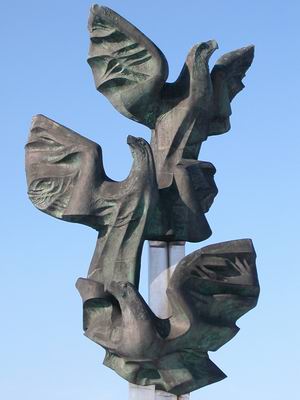
Pomnik Czynu Polaków w Szczecinie
Szczecin
The Monument to the Polish Endeavor in Szczecin is one of the city’s most recognizable landmarks and a powerful symbol of post-war Polish identity. Set in a prominent spot near the city center, it’s worth visiting for its bold scale, striking design, and the role it plays in Szczecin’s public life. Here you can admire the three soaring eagle wings and reflect on the monument’s meaning, while also enjoying the surrounding urban space and views of nearby greenery and architecture. It’s a popular place for photos and a good stop during a walk through central Szczecin. Best visited as part of a city stroll, especially in daylight for the full visual effect Bring a camera: the monument is impressive from both close up and from a distance Combine your visit with nearby attractions in central Szczecin for a fuller experience
-
Baszta Siedmiu Płaszczy w Szczecinie
Szczecin
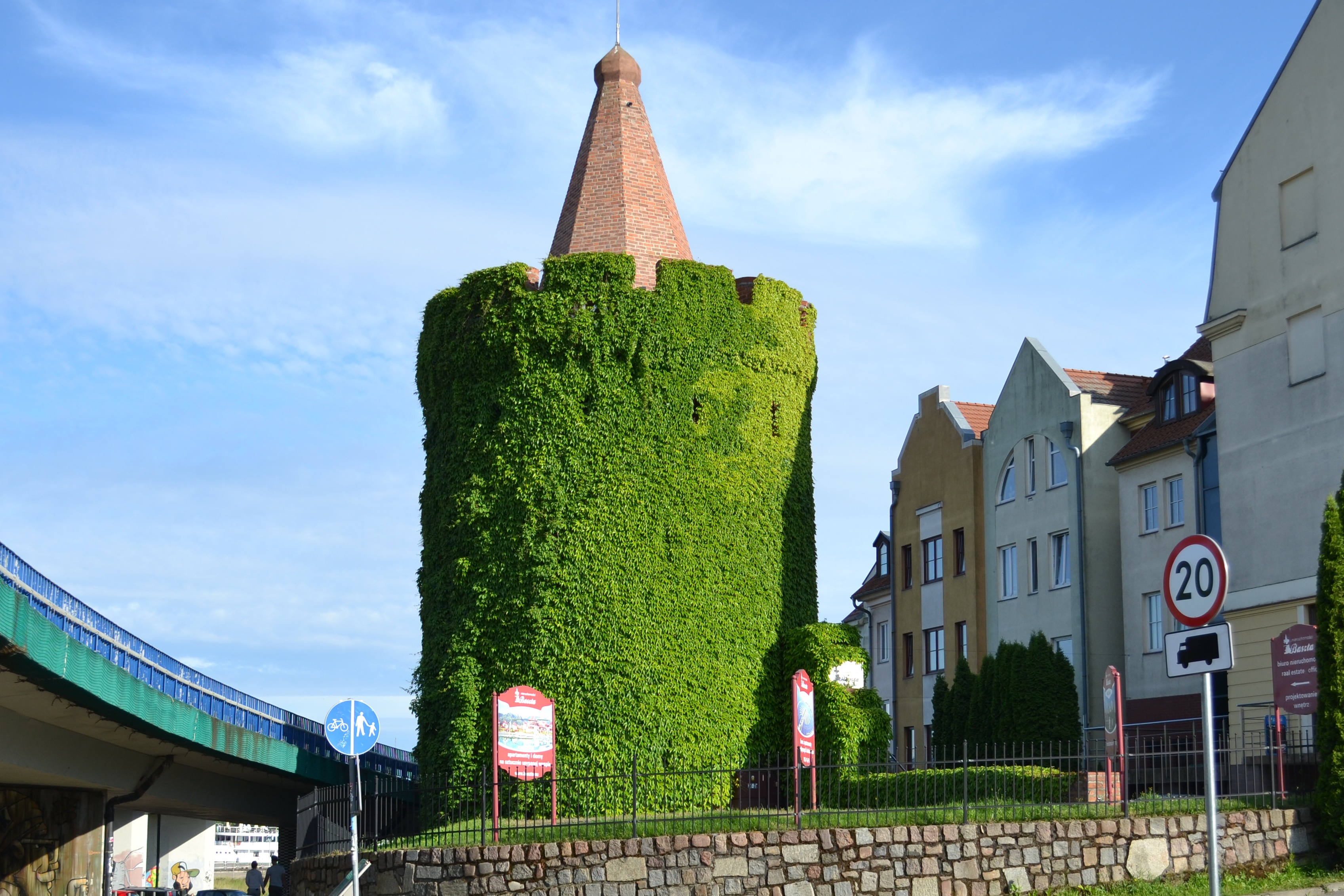
Baszta Siedmiu Płaszczy is one of Szczecin’s most atmospheric medieval landmarks, a reminder of the city’s old defensive walls. It’s worth a visit if you enjoy history, quiet corners, and places that show how the city looked centuries ago. Here you can admire: the historic brick tower and its preserved defensive character a glimpse into Szczecin’s medieval past a scenic spot for photos, especially if you like old architecture It’s best combined with a walk through the nearby old town area, where you can explore more historical sights at a relaxed pace. Wear comfortable shoes, as the streets around the tower are ideal for strolling, and check opening times in advance if you want to see the interior or nearby exhibitions.
-
Biała Fabryka w Łodzi
Łódź
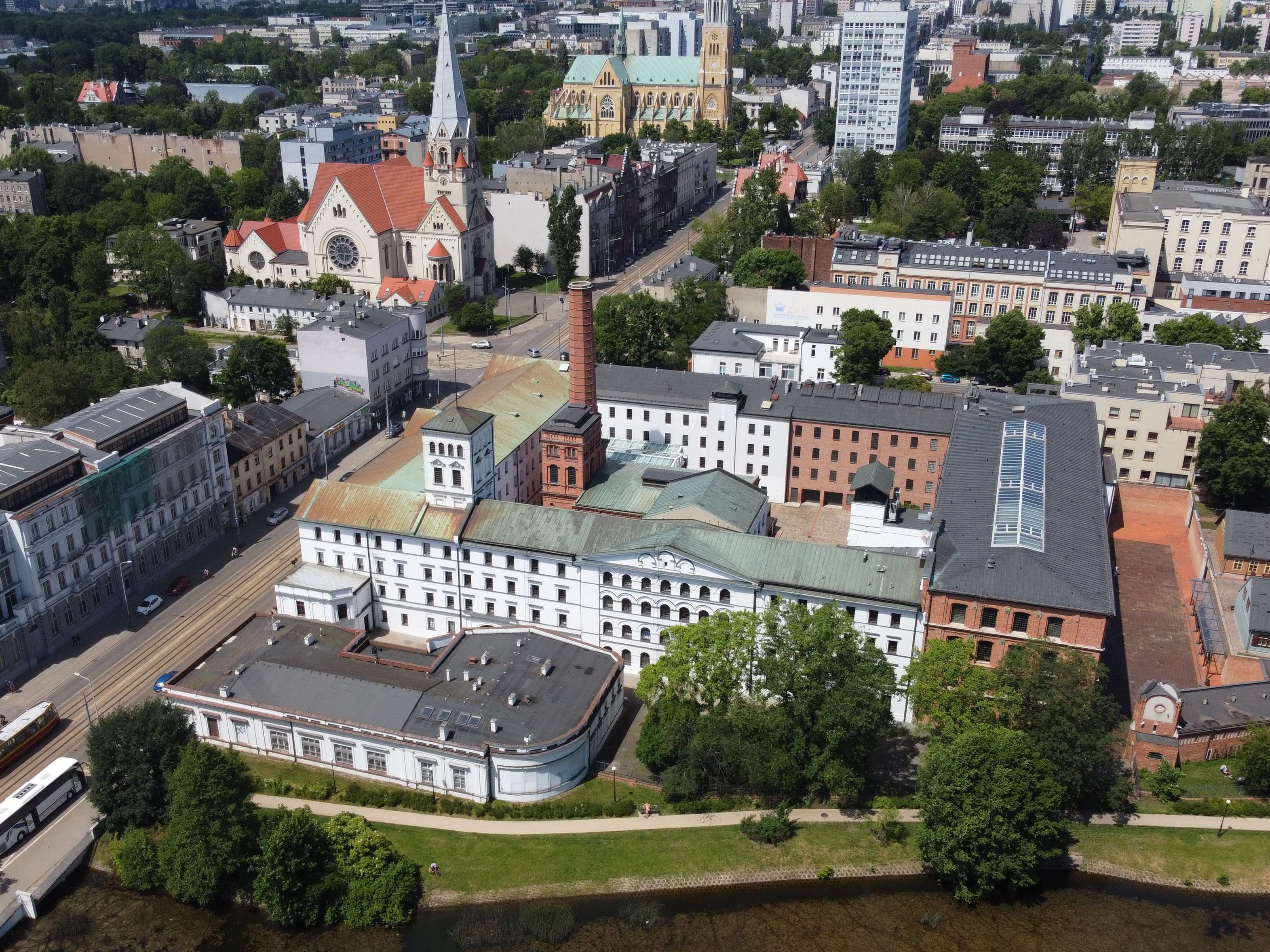
The White Factory in Łódź is one of the city’s most charming industrial landmarks, combining textile history with elegant neoclassical architecture. It’s worth a visit if you want to see how Łódź transformed from a 19th-century factory town into a vibrant cultural destination. Inside, you can explore museum spaces that showcase the history of Polish textiles, fashion, and industrial life. The bright white facades, historic interiors, and exhibits together create a vivid picture of how workers, machines, and design shaped the city. Best visited as part of a wider walk through Łódź’s old industrial district Allow time for both the exhibitions and the architecture outside Check opening hours in advance, as museum access may vary on certain days
-
OFF Piotrkowska w Łodzi
Łódź
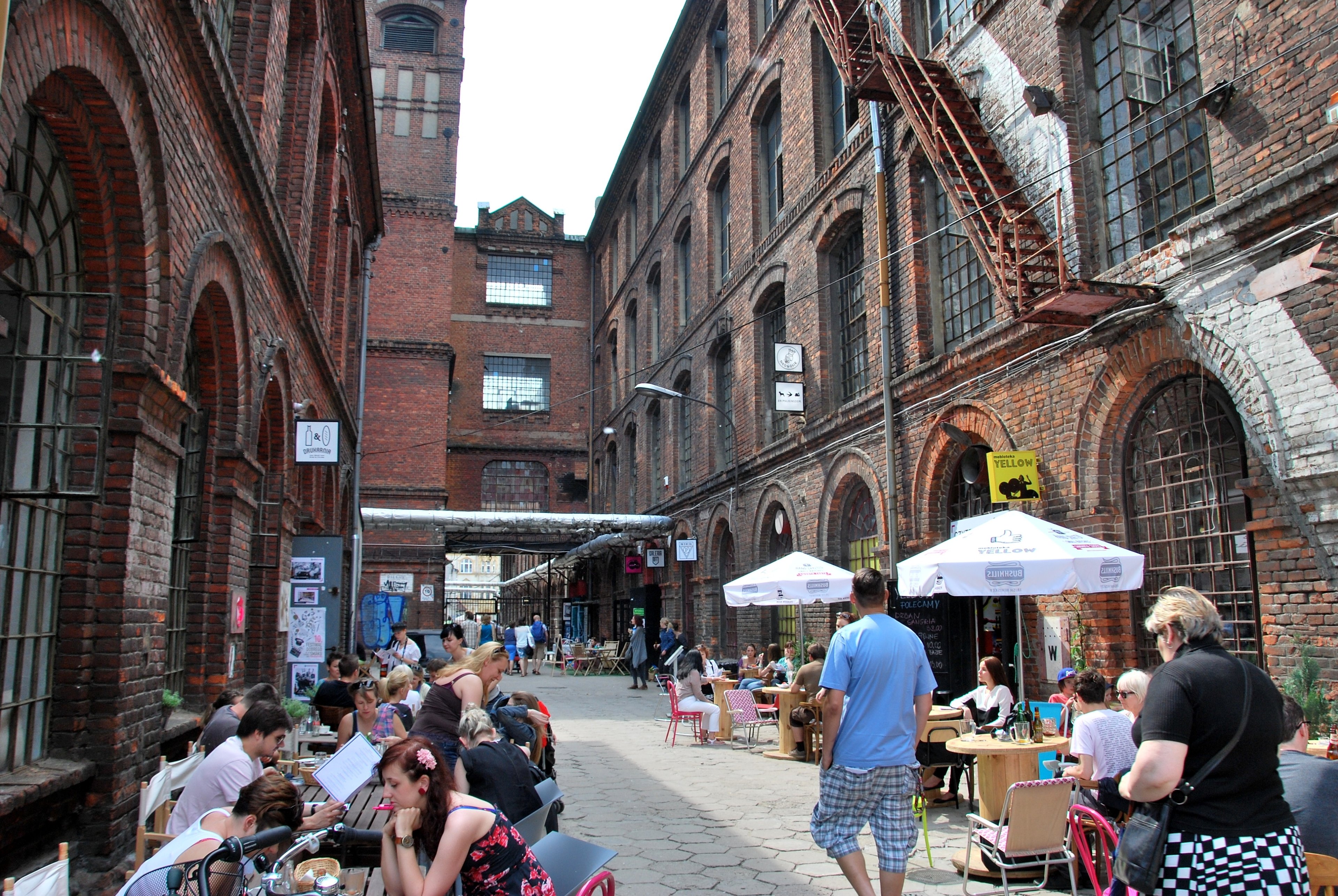
OFF Piotrkowska is one of Łódź’s most creative urban hotspots, transforming a former factory complex into a lively center for food, design, and nightlife. It’s worth visiting for its unique industrial atmosphere and the way it brings together local culture, independent businesses, and a very modern city vibe. Here you can explore stylish cafés, bars, concept stores, galleries, and street art tucked between raw brick buildings and courtyards. It’s a great place to relax during the day, hunt for original souvenirs, or come back in the evening for events, live music, and a buzzing social scene. Best visited in the afternoon or evening, when the area feels most alive. Wear comfortable shoes, as the courtyards and surrounding streets are ideal for walking. Check the event calendar if you want to catch concerts, markets, or special pop-ups. Combine your visit with a walk along Piotrkowska Street, one of Łódź’s main attractions.
-
Księży Młyn w Łodzi
Księży Młyn
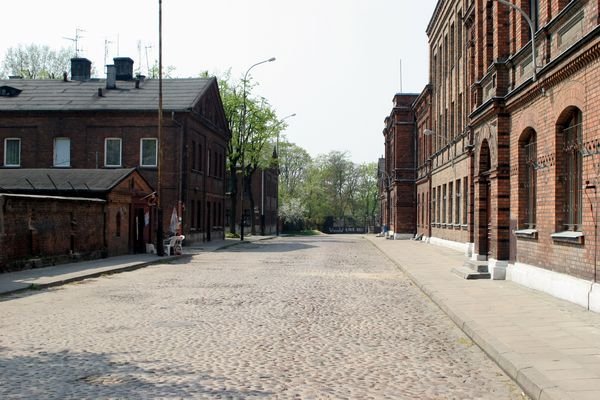
Księży Młyn is one of Łódź’s most atmospheric historic districts, where 19th-century industrial architecture meets a quieter, more local side of the city. It’s worth visiting if you want to experience the old textile capital of Poland beyond the main tourist routes. Here you can walk among red-brick factory buildings, former workers’ housing, and charming courtyards that tell the story of Łódź’s industrial past. The area is great for a relaxed stroll, photography, and discovering a different pace of the city, with renovated spaces, small cultural spots, and plenty of details that bring history to life. Wear comfortable shoes, as the best way to explore is on foot. Visit in daylight for the best views of the architecture and courtyards. Combine your walk with nearby museums or cafés for a fuller experience.
-
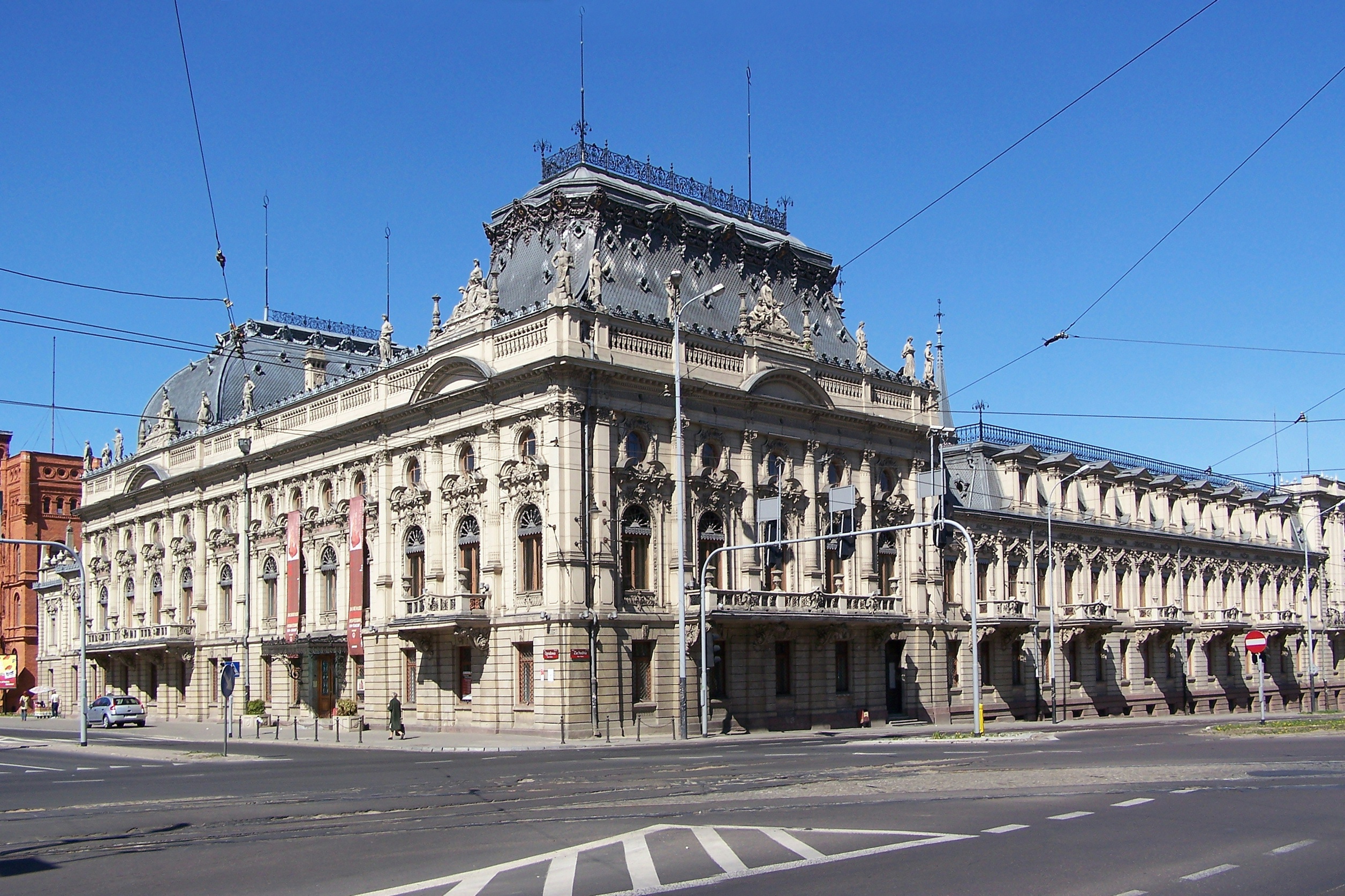
Pałac Poznańskich w Łodzi
Łódź
The Izrael Poznański Palace in Łódź is one of the city’s most impressive historic landmarks, often called the “Lodz Louvre” for its grand architecture. It’s well worth a visit if you want to see how a wealthy industrialist’s residence blended elegance, power, and 19th-century ambition. Inside, you can explore richly decorated interiors, ornate halls, and museum exhibitions that tell the story of Łódź’s industrial past. The palace is especially rewarding for visitors interested in architecture, history, and the transformation of the city from a textile hub into a cultural destination. Plan a little extra time to visit the museum spaces and admire the details of the façades and interiors. Check opening hours in advance, as access to some rooms or exhibitions may vary. Combine your visit with a walk around Manufaktura, which is nearby and makes for an easy sightseeing stop.
-
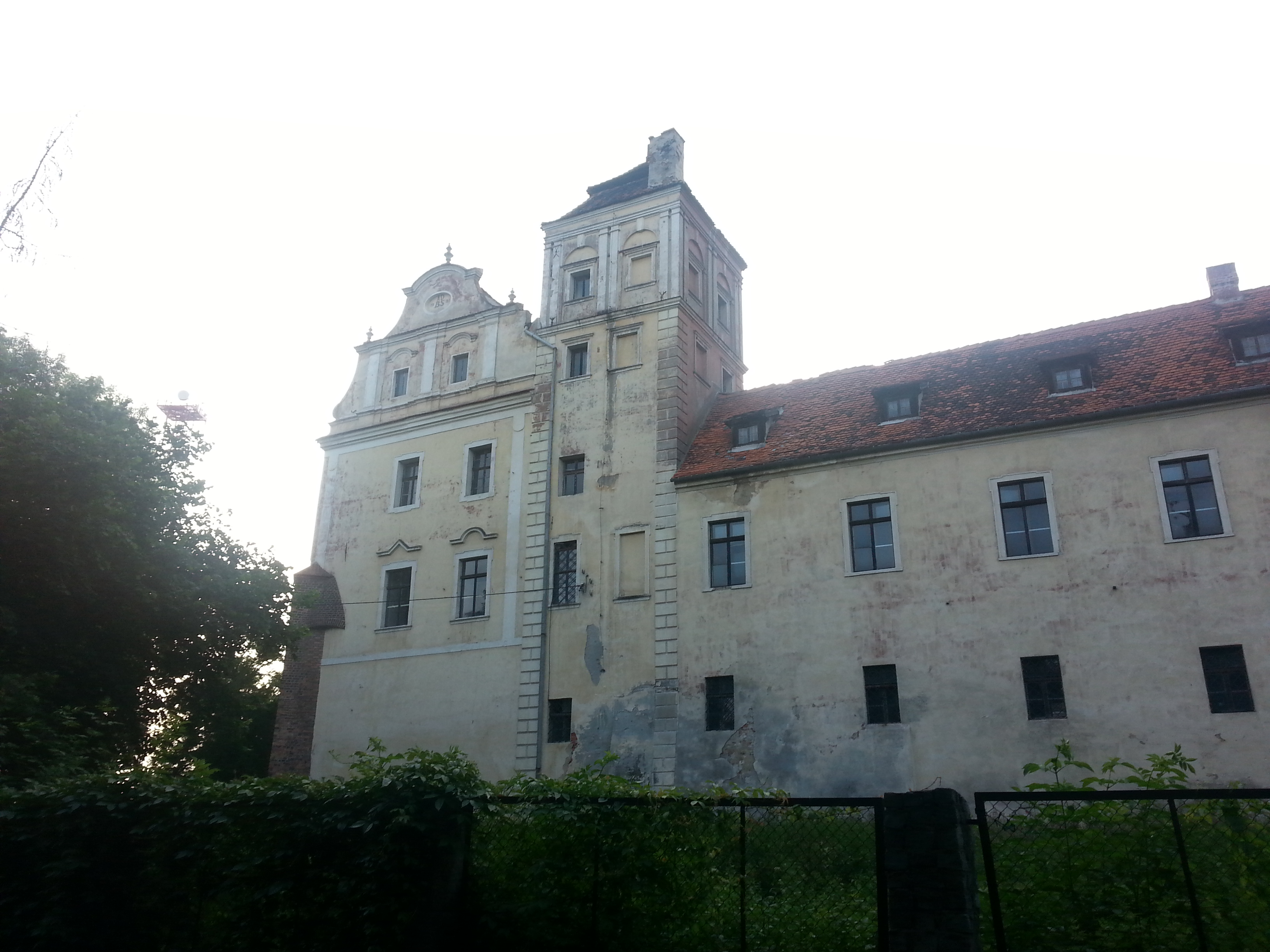
Zamek w Niemodlinie
Niemodlin
Niemodlin Castle is a historic stronghold that offers a glimpse into Silesia’s rich past. Set in the town of Niemodlin, it’s worth visiting for its atmospheric architecture, long history, and the chance to walk through a place shaped by centuries of noble life and changing eras. Inside and around the castle, you can admire massive defensive walls, elegant courtyard spaces, and historic interiors that reflect its former role as a residence and fortress. It’s a great spot for anyone interested in medieval heritage, architecture, and local legends. Check opening hours before you go, as access may vary depending on events or restoration work. Wear comfortable shoes, especially if you want to explore the grounds thoroughly. Combine your visit with a walk around Niemodlin to experience the town’s quiet, historic atmosphere.
-
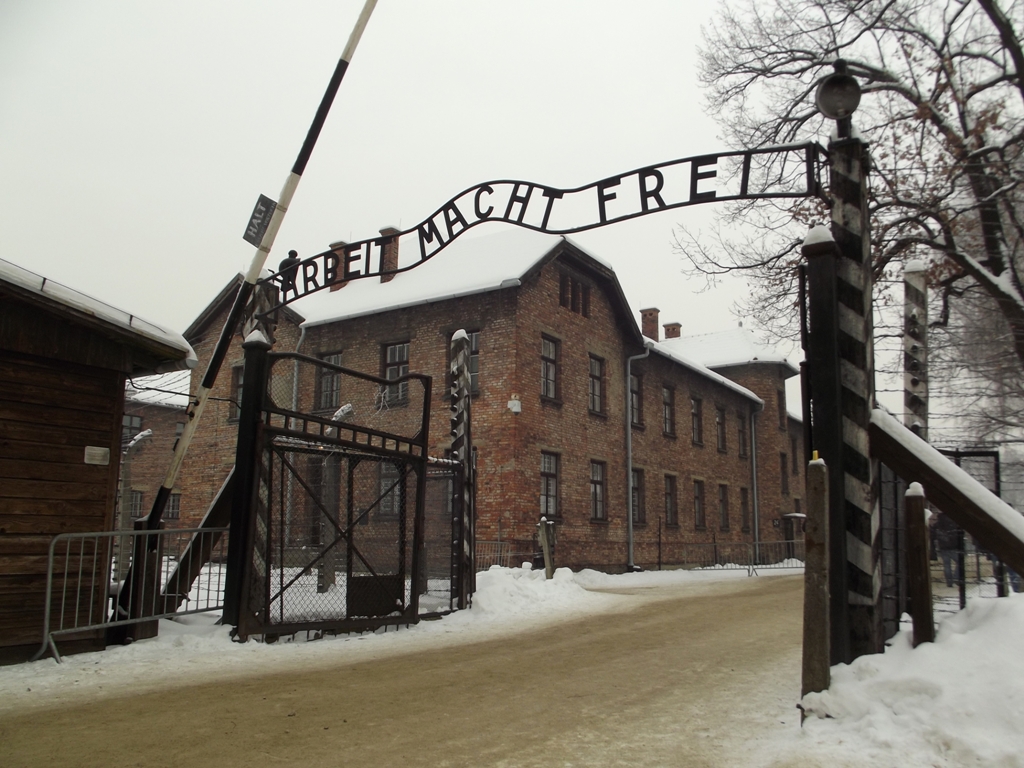
Obóz pracy Auschwitz-Birkenau w Oświęcimiu
Oświęcim
Auschwitz-Birkenau in Oświęcim is one of the most important historical sites in the world, offering a deeply moving reminder of the atrocities of World War II. It is worth visiting to better understand history, honor the victims, and reflect on the consequences of hatred and violence. Here you can see preserved barracks, railway tracks, watchtowers, ruins, and exhibitions that document the life and suffering of prisoners. The site is spread across Auschwitz I and Auschwitz II-Birkenau, allowing visitors to walk through the former camp grounds and learn from original structures and memorial displays. Plan enough time, as a meaningful visit usually takes several hours. Book tickets or a guided tour in advance, especially in high season. Dress respectfully and prepare for an emotionally difficult experience. Follow the site rules and keep noise to a minimum to preserve the solemn atmosphere.
-
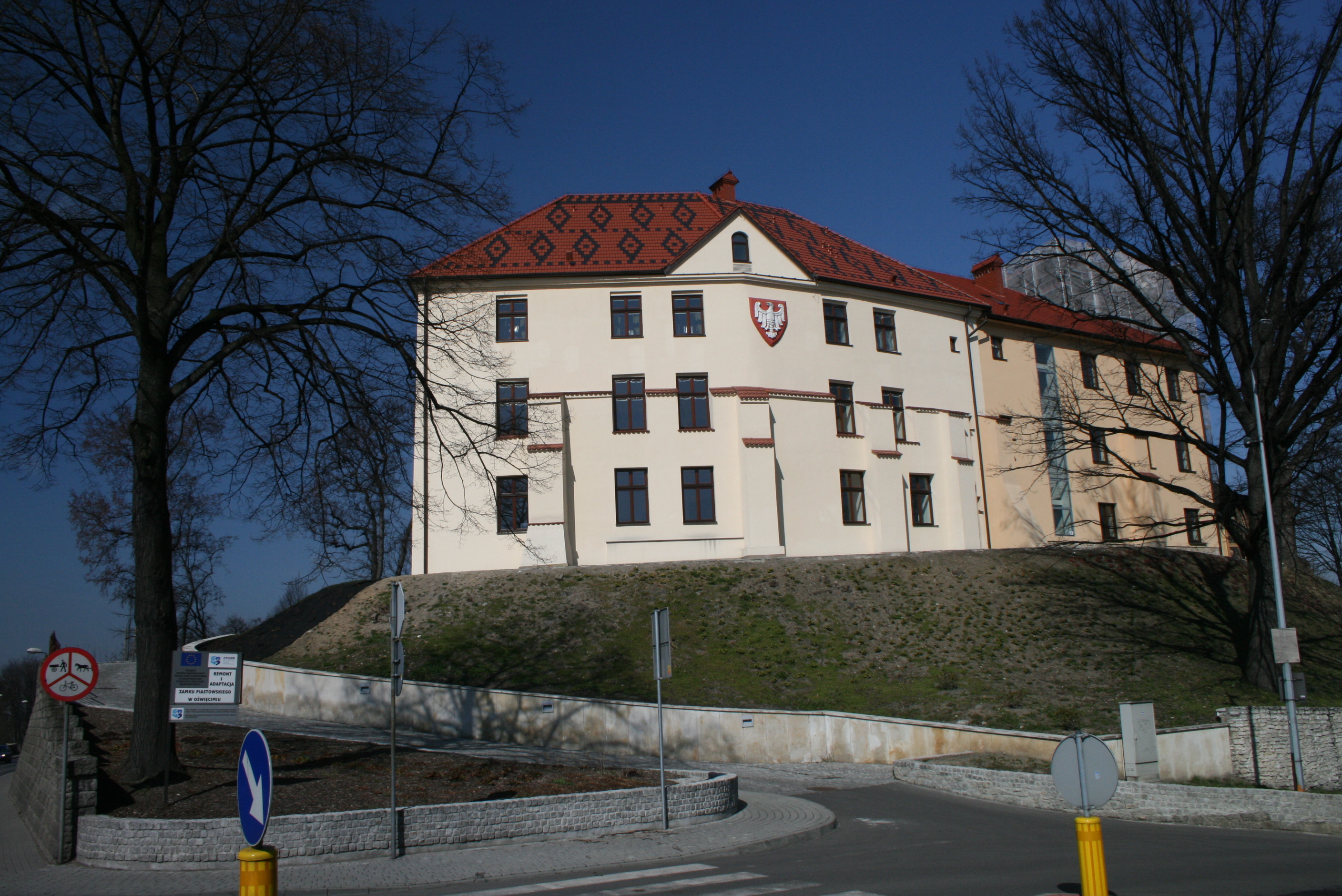
Zamek w Oświęcimiu
Oświęcim
Oświęcim Castle is a historic landmark that offers a quieter, less crowded glimpse into the region’s past. Perched above the Vistula River, it’s worth visiting for its atmosphere, scenic setting, and the chance to explore a site connected to centuries of local history. Inside and around the castle area, you can see remnants of medieval fortifications, a watchtower, and exhibitions that highlight the town’s development over time. The views from the hill are also a pleasant bonus, especially for visitors who enjoy combining history with a peaceful walk. Plan a short visit if you’re exploring Oświęcim’s old town and river area. Wear comfortable shoes, as the grounds and nearby paths are best enjoyed on foot. Check opening hours in advance, since access to interiors or exhibitions may vary by season.
-
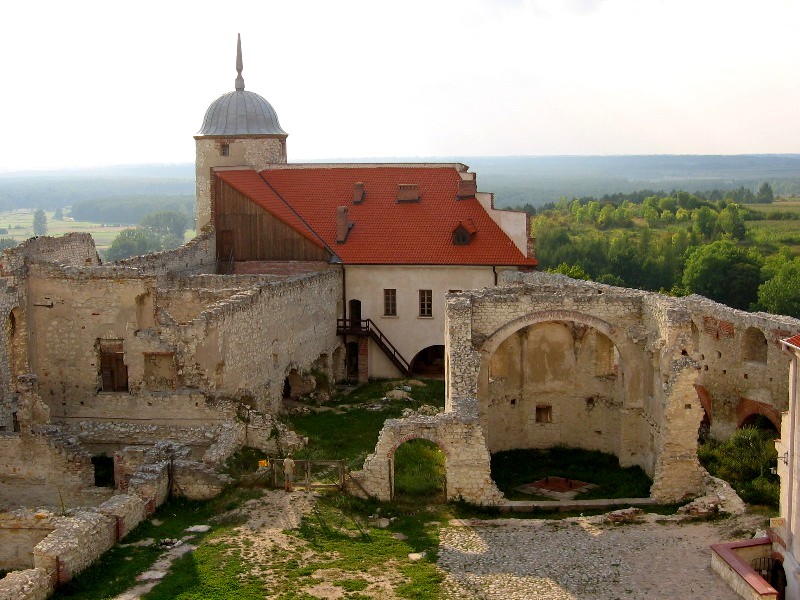
Zamek w Janowcu
Janowiec
Janowiec Castle is a picturesque ruin perched on a hill above the Vistula River, offering one of the most scenic views in eastern Poland. It’s worth visiting for its romantic atmosphere, rich history, and peaceful setting that makes it perfect for a slow, atmospheric day trip. Inside the castle grounds, you can explore the historic ruins, walk among old walls and courtyards, and enjoy sweeping panoramas of the river valley and nearby Kazimierz Dolny. The site also often features exhibitions and events that bring the past to life. Wear comfortable shoes, as the terrain can be uneven and the ruins are best explored on foot. Bring a camera or phone for the views, especially at sunset. If possible, combine your visit with nearby Kazimierz Dolny for a fuller sightseeing trip.
-
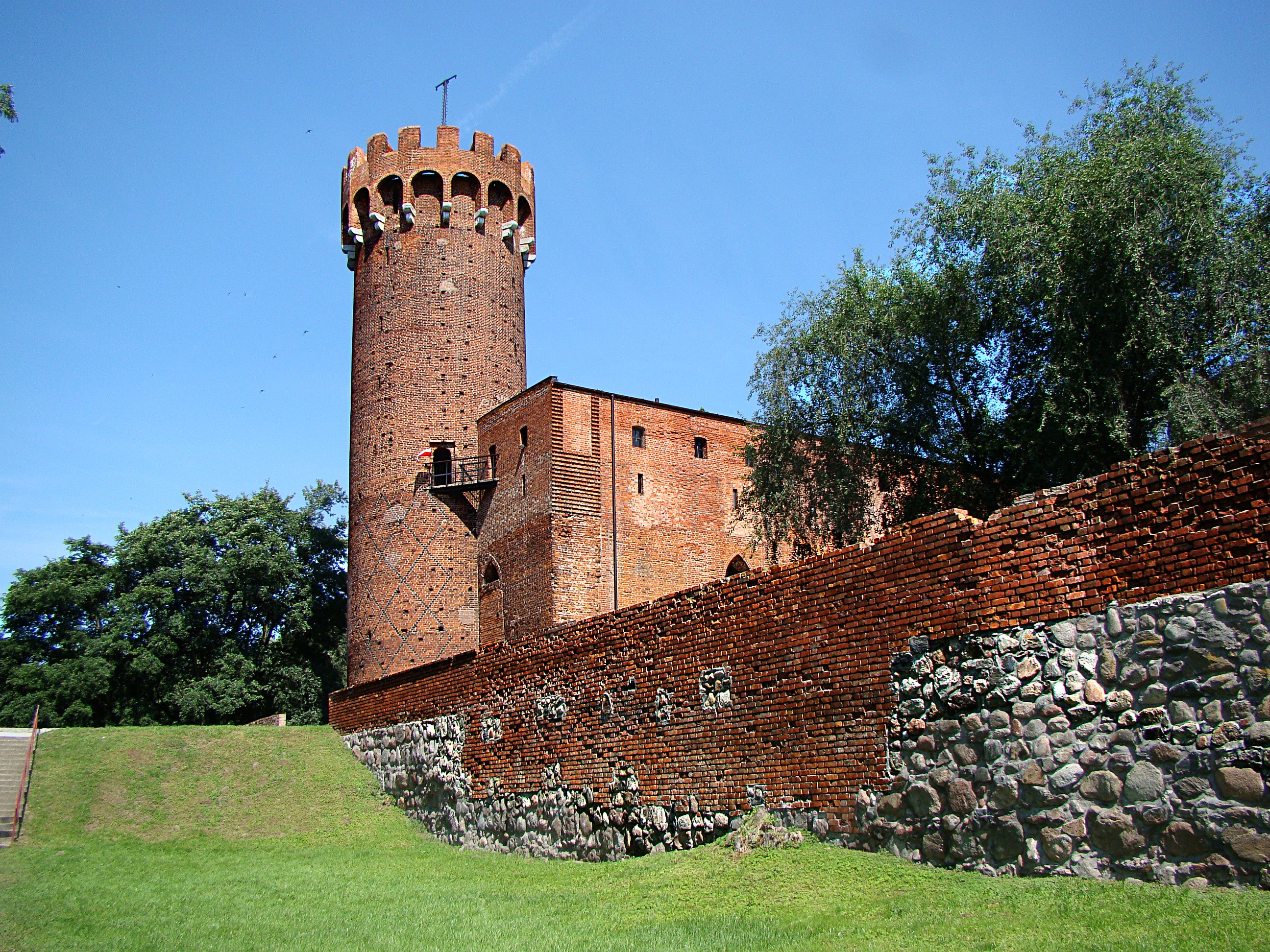
Zamek w Świeciu
Świecie
Świecie Castle is one of the most distinctive medieval landmarks in northern Poland, standing proudly above the Vistula and Wda rivers. Built by the Teutonic Knights, it is worth visiting for its dramatic brick architecture, rich history, and scenic setting that makes it a great stop for history lovers and photographers alike. Inside and around the ruins, you can explore the remains of the castle walls, towers, and courtyard, while enjoying open views of the surrounding landscape. The site often hosts cultural events and local activities, adding a lively atmosphere to this historic place. Wear comfortable shoes, as the terrain can be uneven and outdoor exploration is involved. Check opening hours in advance, especially if you want to visit the interior or attend an event. Bring a camera, as the castle looks especially impressive in natural light. Combine your visit with a walk around Świecie to get a fuller sense of the town’s history.
-
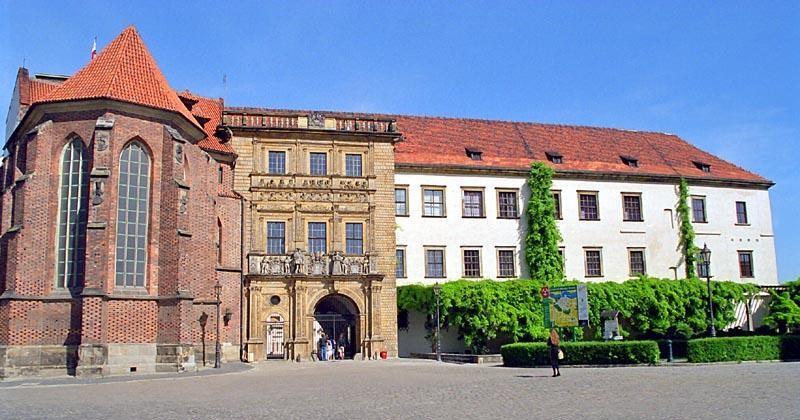
Zamek Piastów Śląskich w Brzegu
Brzeg
Brzeg Castle is one of the most impressive Renaissance monuments in Poland, often called the “Silesian Wawel” for its elegant courtyard and rich history. It’s a great stop for anyone interested in castles, architecture, and the powerful medieval families that once shaped the region. Inside and around the castle, you can admire ornate arcades, historic halls, and museum exhibitions that bring the past to life. The grounds also offer excellent photo opportunities, especially the beautifully restored courtyard and defensive towers. Visit during museum opening hours to explore the interiors fully. Allow extra time for the courtyard and nearby old town. Wear comfortable shoes, as some surfaces can be uneven.
-
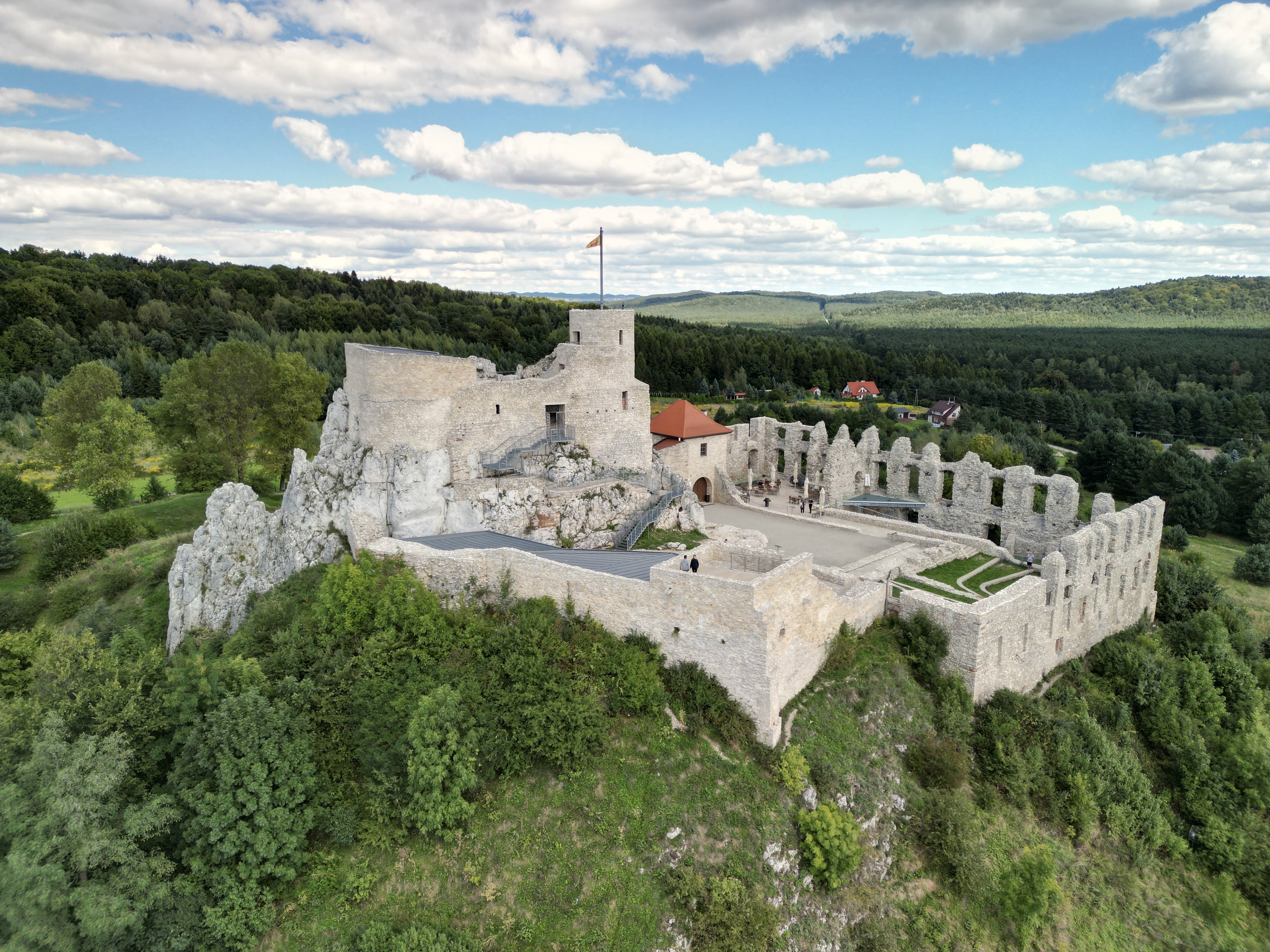
Zamek w Rabsztynie
Rabsztyn
Rabsztyn Castle is a scenic medieval ruin set on a rocky hill, making it a great stop for history lovers and anyone looking for wide views of the surrounding landscape. Its dramatic setting and atmospheric remains create a memorable place to explore, especially on a clear day. You can walk among the stone walls, towers, and fragments of the old fortifications while imagining the castle’s former life as a stronghold. The area is also popular for short walks and photos, with panoramic viewpoints that are especially rewarding at sunset. Wear comfortable shoes, as the terrain can be uneven and steep in places. Check opening hours before visiting, as access may vary by season. Bring a camera or phone for landscape shots and castle details. Combine your visit with a walk around the nearby area for a relaxed half-day trip.
-
Zamek w Czorsztynie
Czorsztyn
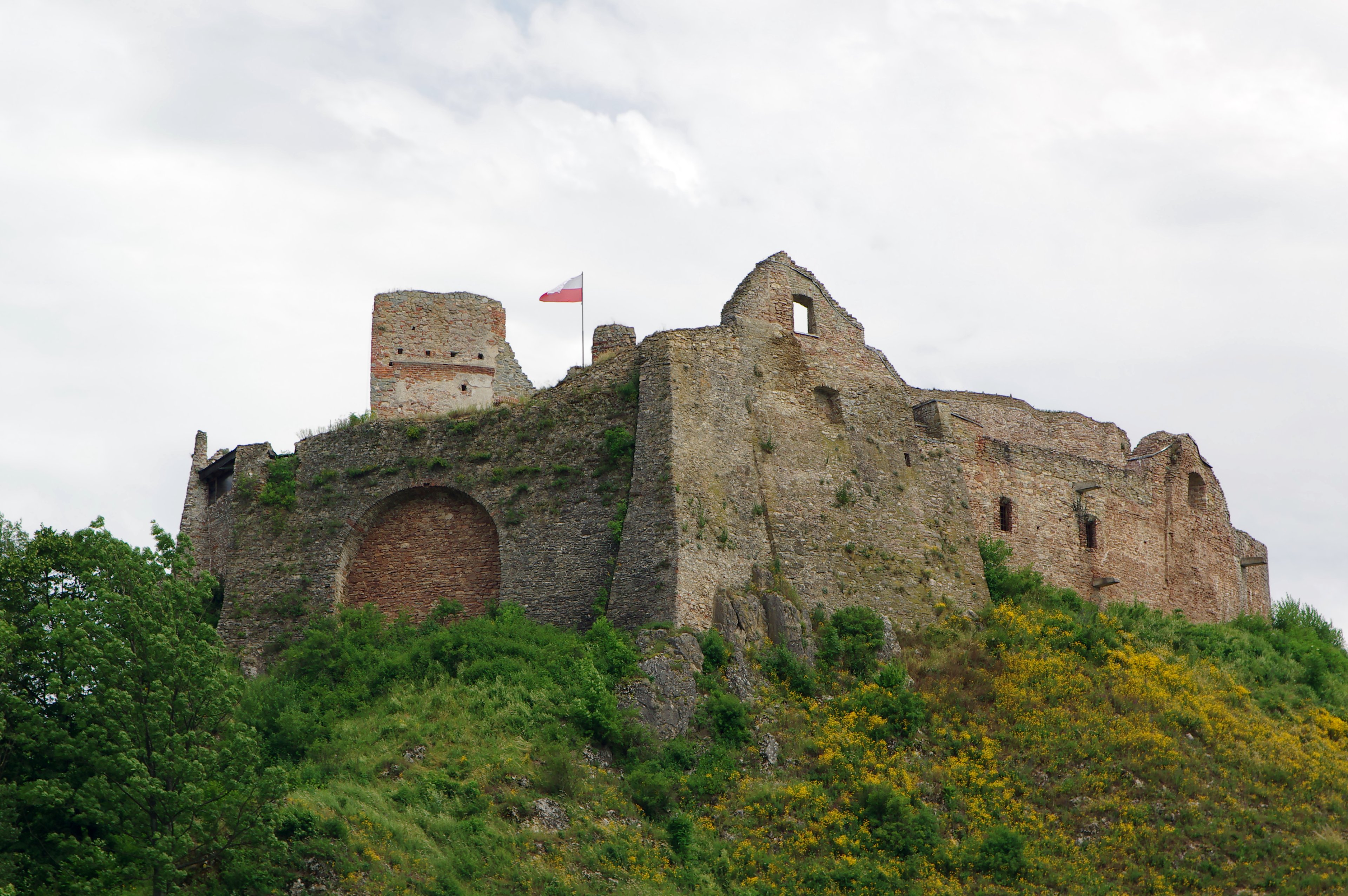
Czorsztyn Castle is a picturesque medieval ruin perched above the Dunajec River and Lake Czorsztyńskie, making it one of the most scenic stops in southern Poland. It’s worth visiting for the sweeping mountain views, atmospheric stone walls, and the chance to step into a place with centuries of history. Inside and around the castle, you can enjoy: panoramic views of the Tatra and Pieniny landscapes, remnants of the old fortress walls and towers, a peaceful setting ideal for photos, walks, and a short history break. For the best experience, combine your visit with a stroll along the lake or a boat trip on the reservoir. Wear comfortable shoes, as the path can be uneven, and check opening hours before you go, since access may vary by season.
-
Zamek w Rydzynie
Rydzyna
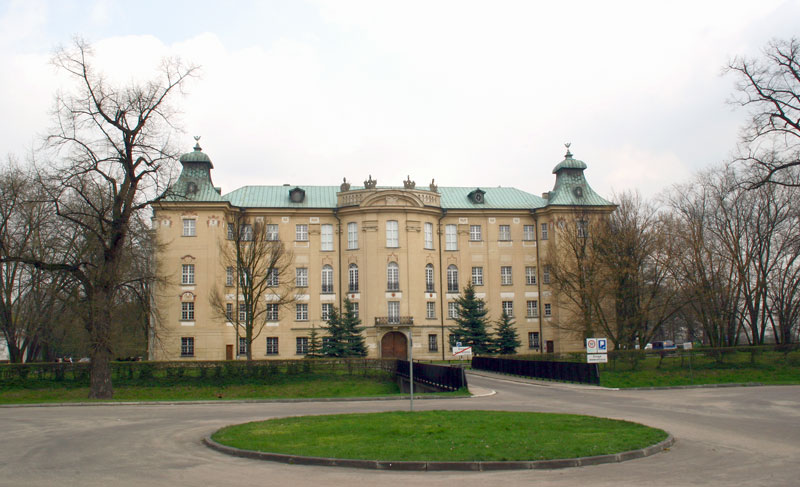
Rydzyna Castle is one of the most elegant historic landmarks in Greater Poland, known for its Baroque architecture and rich aristocratic past. It’s a great place to visit if you enjoy atmospheric heritage sites, beautifully restored interiors, and a quieter alternative to Poland’s more crowded castles. Inside and around the castle, you can admire ornate facades, spacious courtyards, and traces of the former residence of the Leszczyński family. The surrounding town of Rydzyna adds to the charm with its intimate, small-town feel and picturesque historic setting. Best visited with some time to explore the grounds and nearby streets at a relaxed pace Check opening hours in advance, as access to interiors may vary depending on events or restoration work Wear comfortable shoes if you plan to walk around the old town and castle area
-
Zamek w Łęczycy
Łęczyca
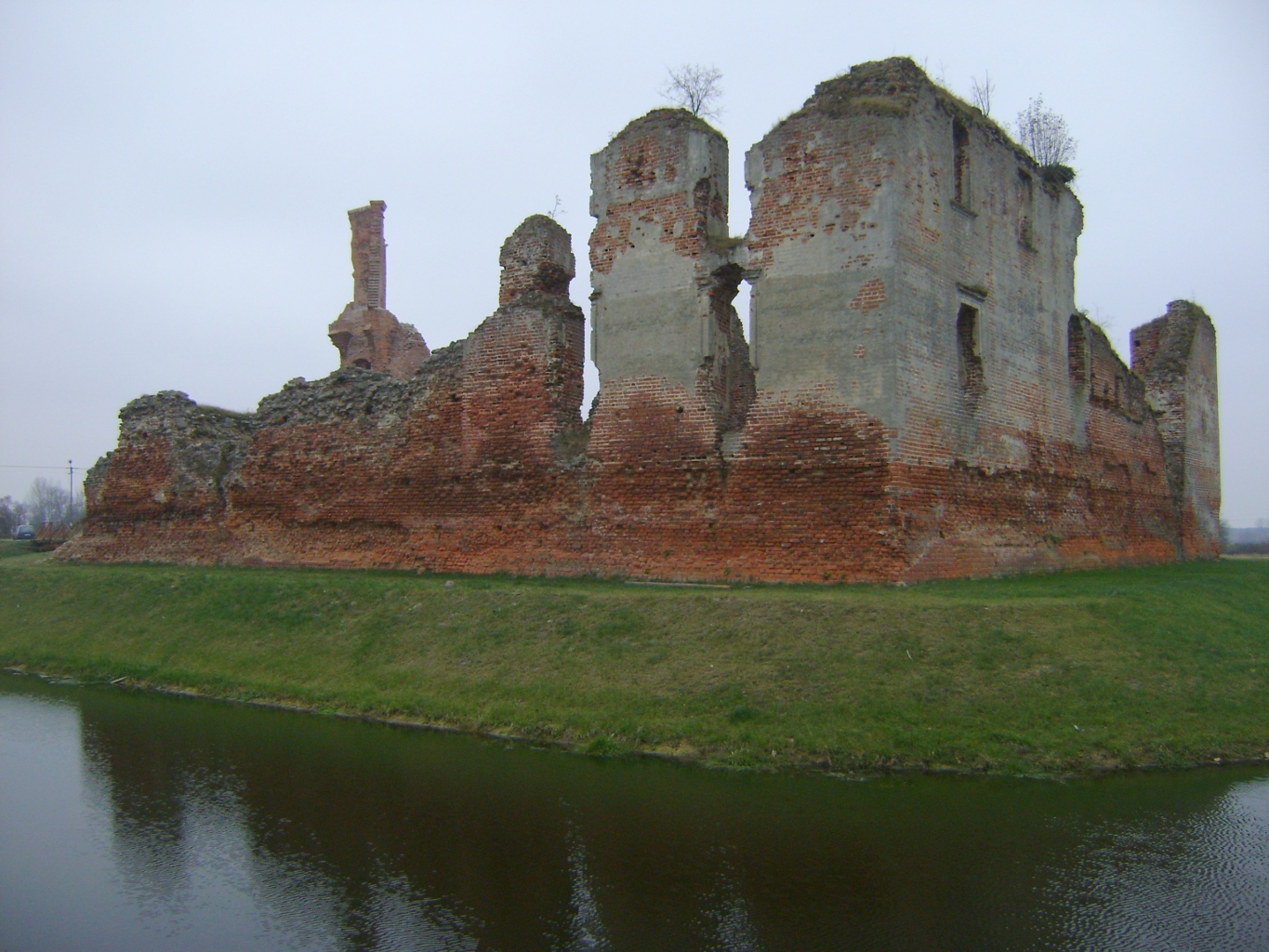
Łęczyca Castle is one of the best-preserved medieval strongholds in central Poland, making it a great stop for travelers interested in history and old defensive architecture. It offers a glimpse into the power of the former Polish kingdom and the atmosphere of a true royal-era fortress. Inside and around the castle, you can explore fortified walls, towers, and museum exhibits connected to the region’s past. Visitors often enjoy the local legends associated with the castle, as well as views over Łęczyca and the chance to walk through a place that feels deeply tied to Polish heritage. Plan a short visit of 1–2 hours to see the main highlights comfortably. Check opening hours in advance, as they may vary by season. Wear comfortable shoes, especially if you want to walk around the outer grounds. Combine your trip with a stroll through the historic center of Łęczyca for a fuller experience.
-
1 visits

Palace in Nowa Wieś Rzeczna
Nowa Wieś
Palace in Nowa Wieś Rzeczna is a historic palace in the village of Nowa Wieś Rzeczna, in northern Poland. It is tied to the former estate layout and shows the character of the region’s 19th-century rural architecture. The building and its immediate surroundings form part of the local cultural landscape, making it a good stop for a short visit. Na miejscu można liczyć przede wszystkim na: A look at the palace as part of the former estate arrangement, which helps explain how the property was once organized. An example of 19th-century rural architecture from this part of northern Poland, with the building itself as the main point of interest. A chance to notice the surrounding cultural landscape, where the palace and its setting still read as one historic whole. If you plan to stop here, it is worth allowing a little time for a quiet walk around the area and wearing comfortable shoes, especially if you want to take in the surroundings as well as the building. This is a good choice for visitors interested in local history, historic estates, and a calm outing rather than a long sightseeing program.
-
1 visits
Działdowo Castle
Działdowo
Działdowo Castle is a historic castle in Działdowo, a town in northern Poland. Built in the 14th century by the Teutonic Order, it later took on both administrative and residential roles. Today, the preserved complex stands as one of the town’s key landmarks in the historic center, making it a good stop for sightseeing. You can see a castle complex with roots in the 14th century, tied to the Teutonic Order and the town’s medieval history. The site reflects its later use as both an administrative and residential place, which adds another layer to its story beyond a purely defensive stronghold. Its location in Działdowo’s historic center makes it easy to combine with a walk through the old town and nearby local sights. A comfortable pair of shoes is useful if you plan to explore the historic center around the castle. It is a solid choice for travelers interested in local history, medieval architecture, and a short, relaxed sightseeing stop.
-
1 visits
Pałac
Tarnów
Pałac Sanguszków on Sanguszków Street 28 in Tarnów is a historic palace and a listed heritage monument in Poland. Set in one of the city’s notable historic areas, it fits well into a walk focused on Tarnów’s architectural and cultural sights. It is a good place for a short sightseeing stop. Na miejscu można liczyć przede wszystkim na: a preserved palace building that reflects the elegance associated with Poland’s aristocratic past a chance to see a listed heritage monument in the context of Tarnów’s historic urban fabric an address that makes it easy to include the palace in a route through the city’s architectural landmarks For the best experience, it is worth combining this stop with a calm walk through the surrounding historic part of Tarnów, and keeping an eye on the route if you are planning to visit several monuments in one outing. This is a good choice for travelers interested in local history, heritage architecture, and a compact city sightseeing trip.
-
1 visits
Malbork Castle
Malbork
The Castle of the Teutonic Order in Malbork, commonly known as Malbork Castle, is a Brick Gothic castle complex located in the town of Malbork, Poland, built in the 13th and significantly expanded in the 14th century. It is the largest castle in the world measured by land area and a UNESCO World Heritage Site.
-
1 visits
Wawel Castle
Kraków
The Wawel Royal Castle and the Wawel Hill on which it sits constitute the most historically and culturally significant site in Poland. A fortified residency on the Vistula River in Kraków, it was established on the orders of King Casimir III the Great and enlarged over the centuries into a number of structures around a Polish Renaissance courtyard. It represents nearly all European architectural styles of the Medieval, Renaissance and Baroque periods. With over 3.47 million visitors in 2025, Wawel Castle is the most visited art museum in Poland and the 14th most visited art museum in the world.
Earn badges for the places you visit
Download NextOnTrip, discover new places and check off your trails.