Save this place and discover nearby attractions with NextOnTrip
In the app you can add it to your favorites, see what else is worth visiting nearby on the map, and earn a badge for your visit.
The app is available for iPhone and Android.
About this place
Księży Młyn in Łódź is a historic factory and residential district in the city centre, and one of the best-preserved examples of a nineteenth-century industrial town in Poland. Red-brick mills, workers' houses and former public buildings form a compact ensemble that today draws fans of industrial architecture and the history of Łódź.
Where does the name come from?
The name refers to a mill on the Jasień River that belonged to the local parish priest. The mill appears in records in 1484, and its origins reach back to 1387. For centuries this was a modest spot on the outskirts, far from the industrial power it later became.
How did the factory district come about?
The turning point came in the nineteenth century. In 1854 Karol Scheibler, from a wealthy family of cloth makers, arrived in Łódź. He quickly opened a modern factory that left rivals behind. In October 1870 he bought the old mill for 40,000 roubles and began turning the surroundings into a vast industrial complex.
Scheibler built more than production halls. The first private gasworks in the city appeared here, lighting the factories and nearby workers' homes. In 1875 two-storey houses for employees were added and a school for their children opened. A factory hospital followed, regarded as the first of its kind in Poland. On 20 June 1884 the first volunteer fire brigade in Łódź was founded at Scheibler's factory.
What did the complex include?
Księży Młyn worked like a town within a town. It had a spinning mill, a fire station, a railway station, a hospital, a school, shops, a farmstead, workers' housing and the owner's palace. A wall surrounded the whole area and was locked at night. The district also bears the mark of the Grohman family, at first rivals of the Scheiblers and from 1921 partners in running what was then the largest cotton factory in Europe.
What can you see today?
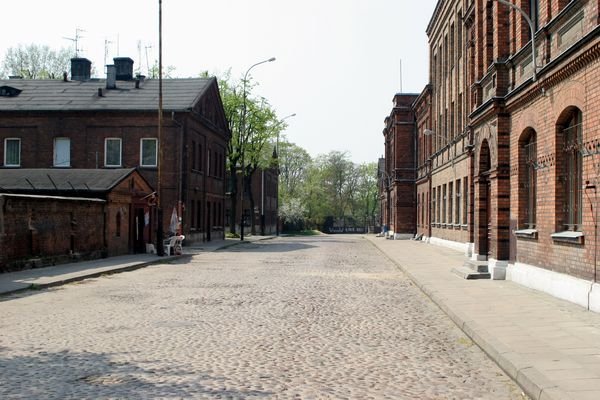
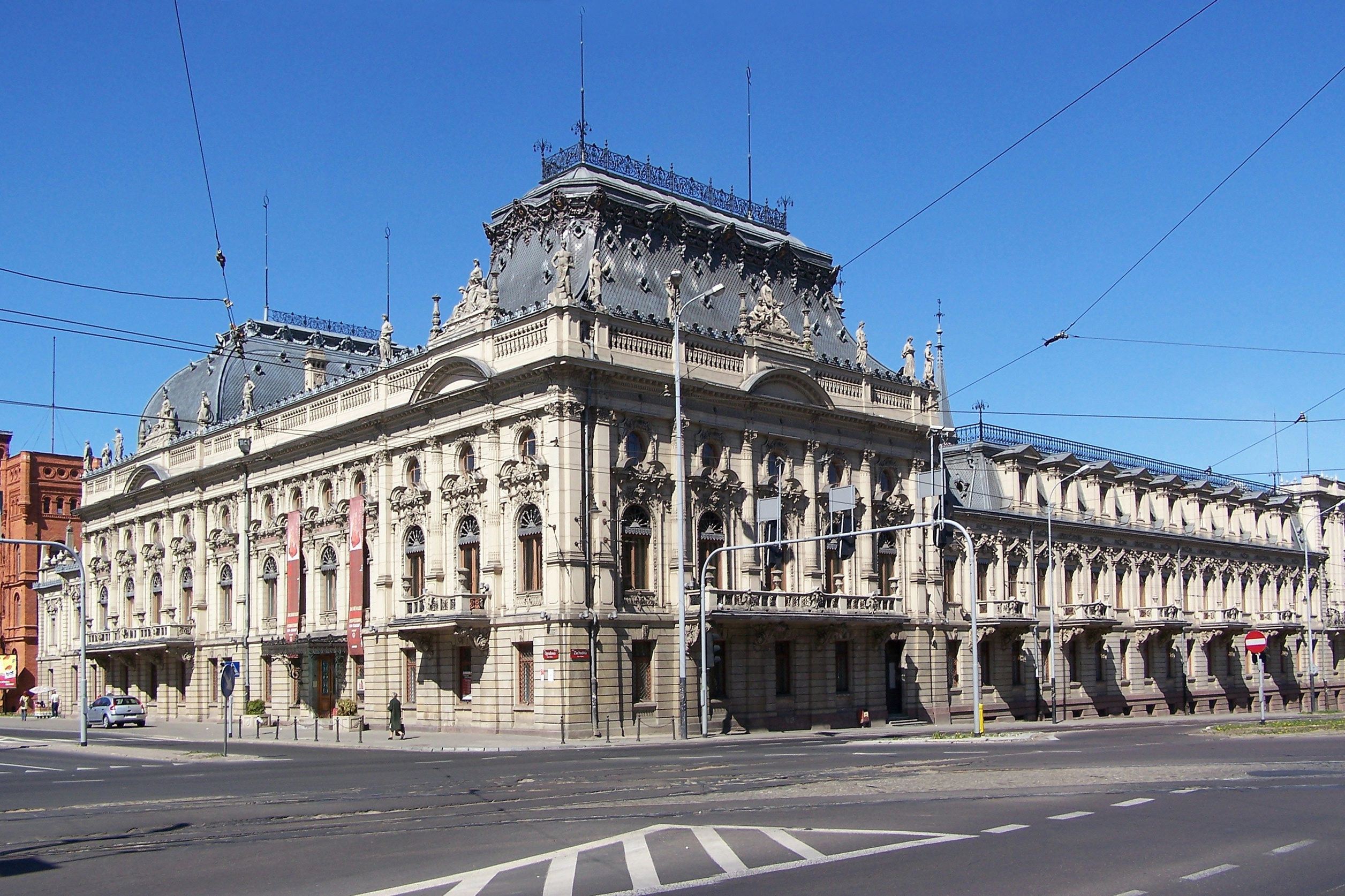
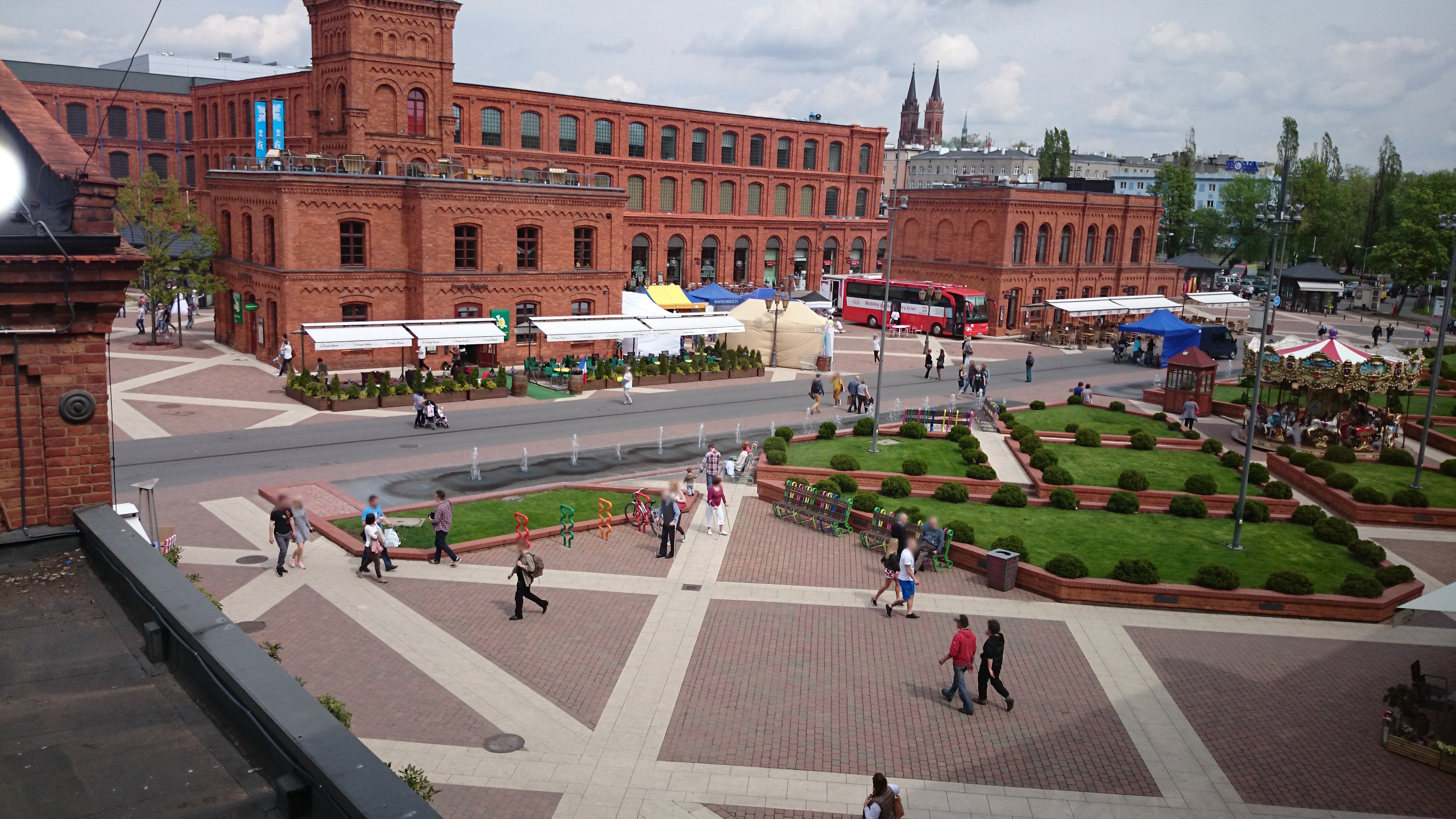
Not everything has survived, but a street of original workers' tenements remains, along with the former residence that now houses the Herbst Palace Museum. A walk through the district shows how workers and factory owners lived side by side. Many buildings have been renovated, and the area has become a popular backdrop for photos and film shoots.
Frequently asked questions
Where is Księży Młyn? In Łódź, close to the city centre, on the Jasień River.
Is it the village near Bełchatów? No. A village with the same name exists in Bełchatów County, but the district described here belongs to the city of Łódź and is its own historic quarter.
Who is this walk for? People interested in industrial architecture, textile history and workers' daily life. Plan at least an hour and combine it with a visit to the nearby museum.
Do I need a ticket? Walking the streets of the district is free and open. Entering the museum in the former residence requires a ticket, so check current prices and hours before you go.
Why is it called that? After a mill owned by the local parish priest, which operated on the Jasień from medieval times.
Nearby places

Earn badges for the places you visit
Download NextOnTrip, discover new places and check off your trails.