About this place
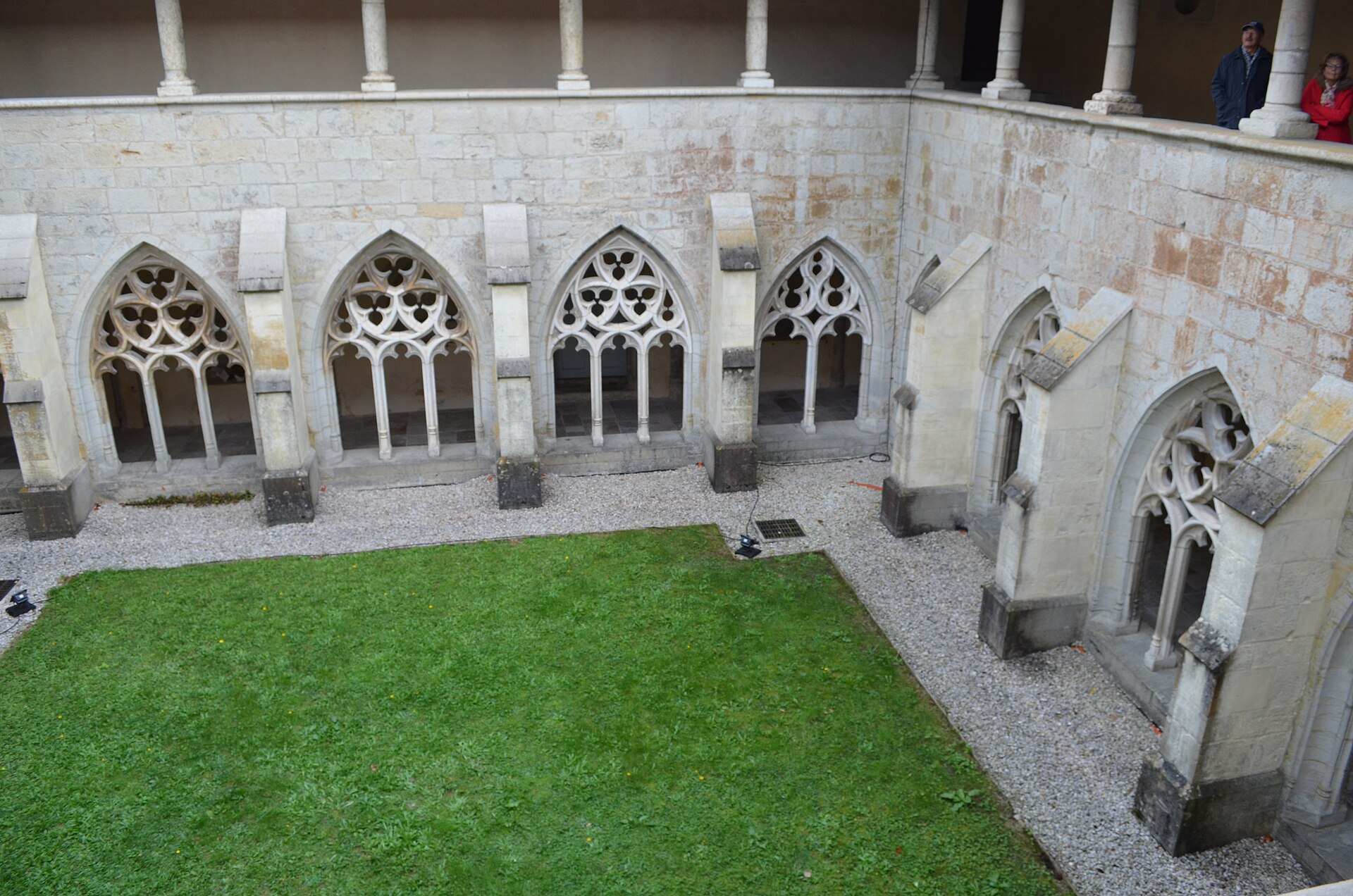
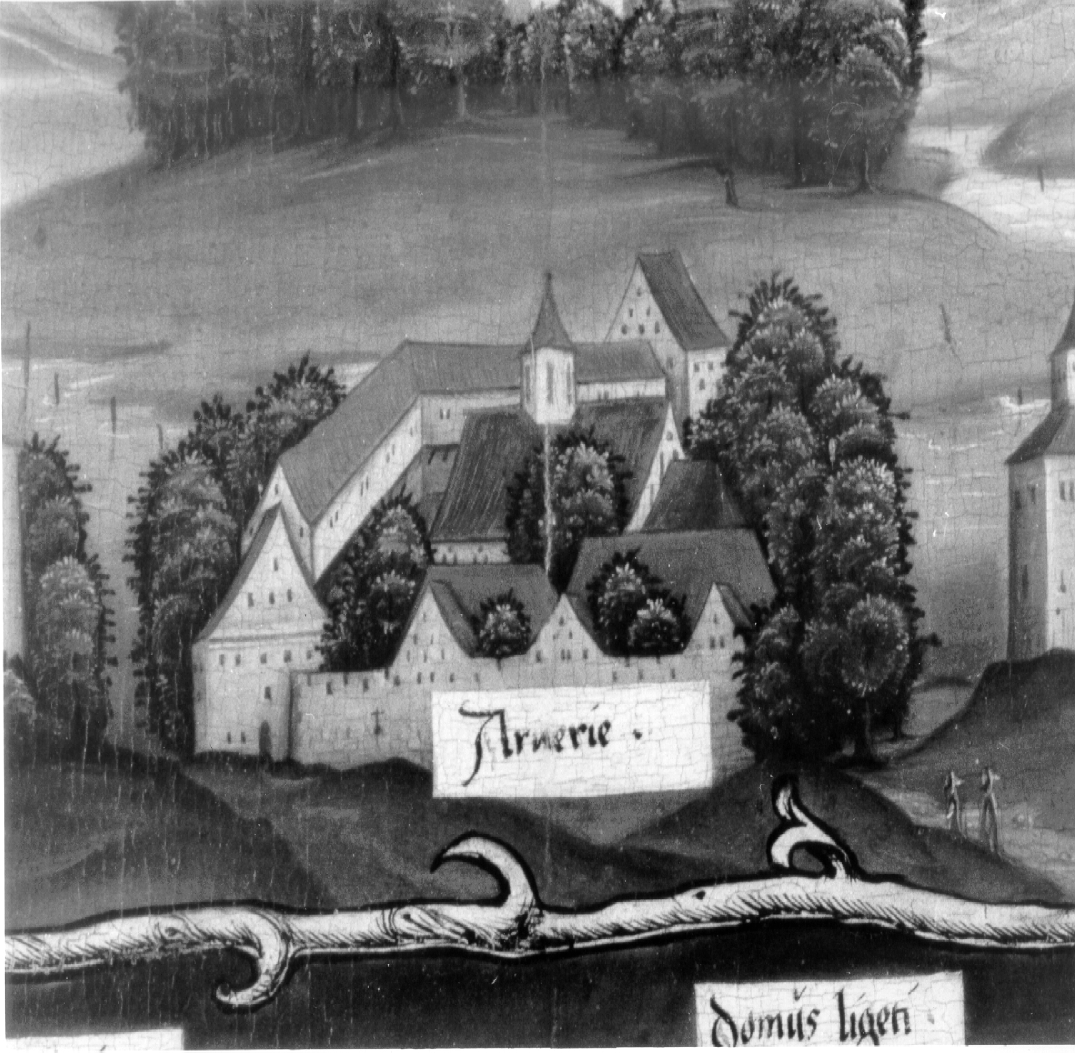
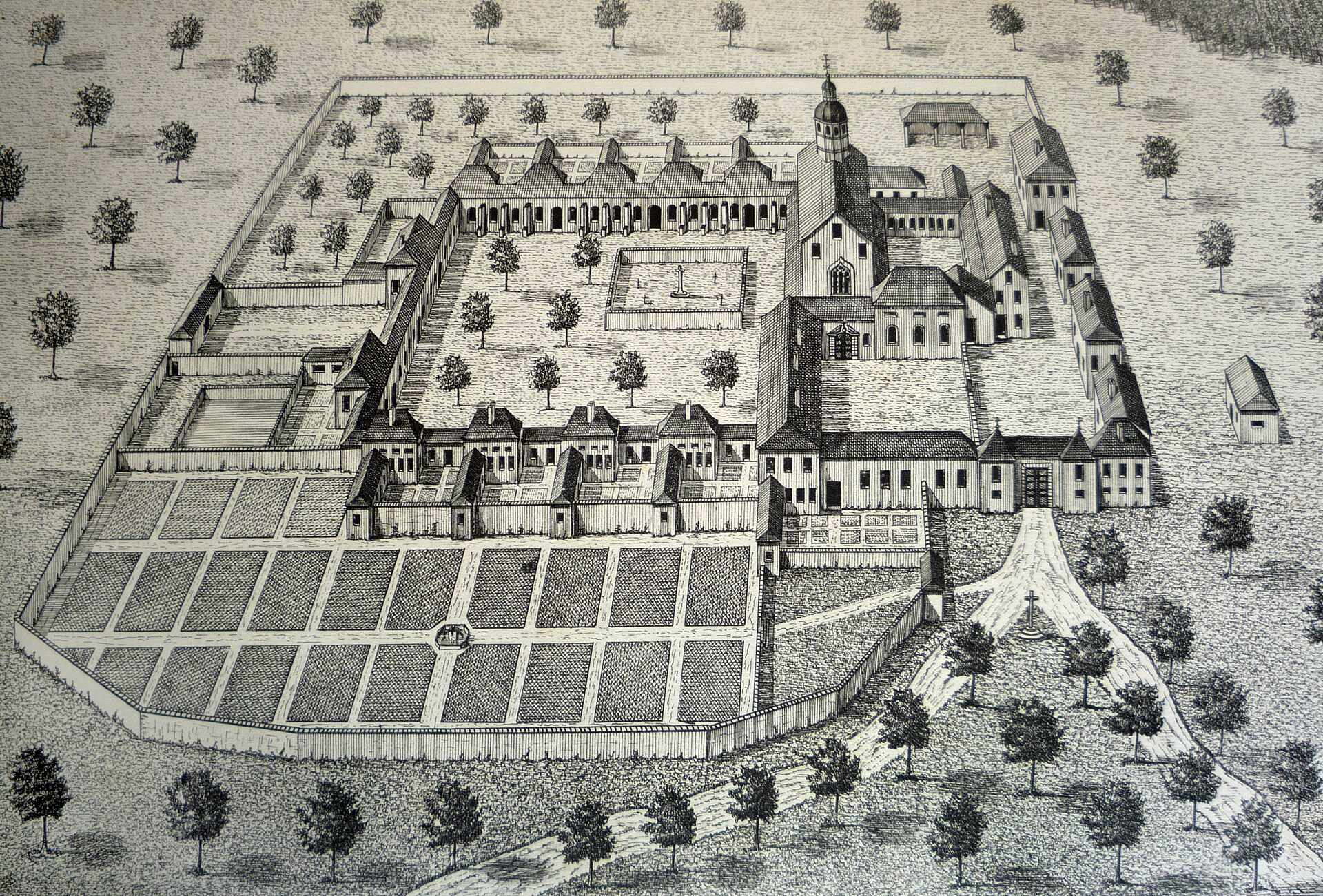
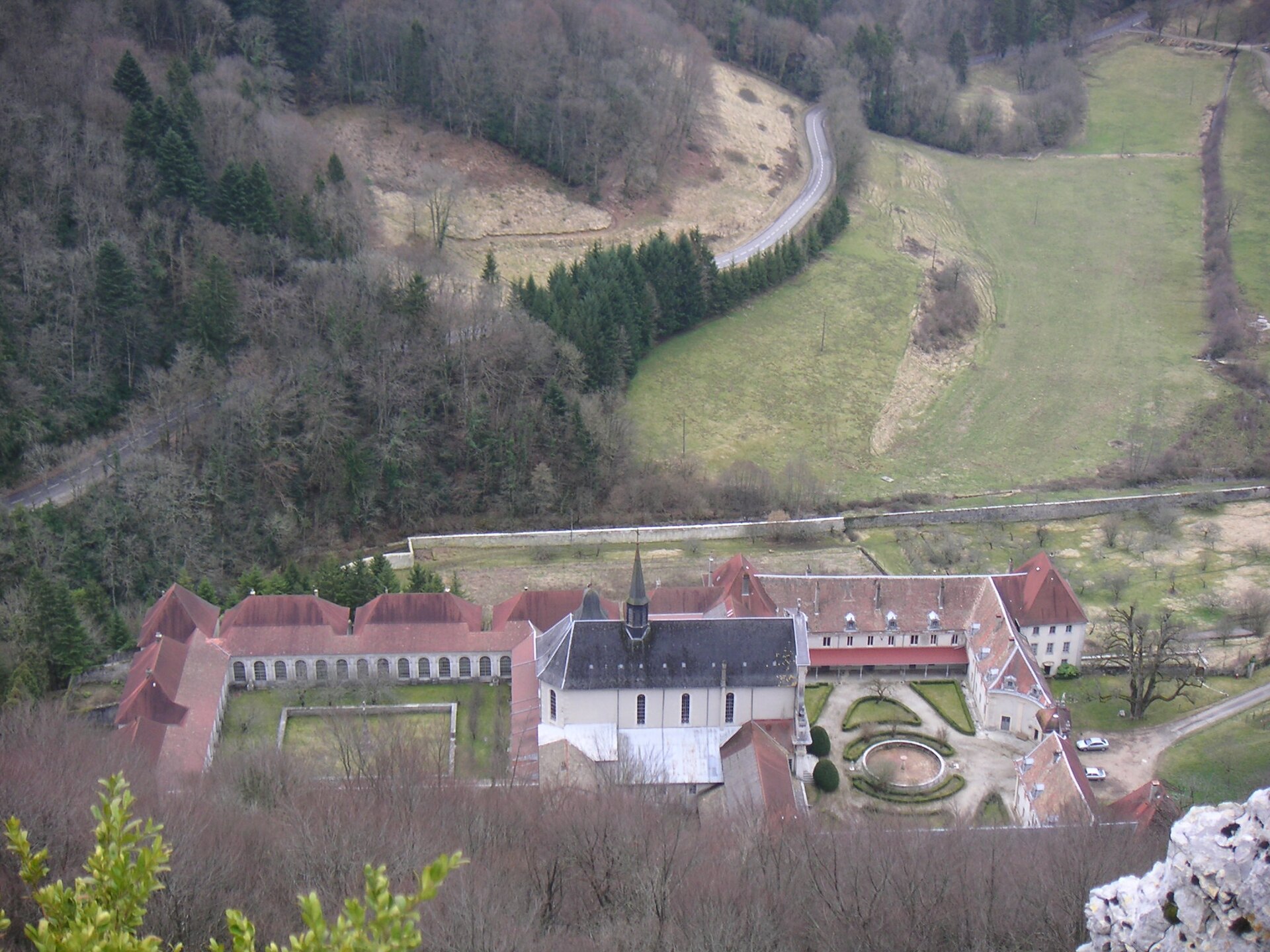
Chartreuse de Portes is a former Carthusian monastery tucked into the Bugey mountains, in the commune of Bénonces in the Ain department of eastern France. Sitting at roughly a thousand meters of altitude, surrounded by forested ridges, the site is one of the oldest houses of the Carthusian order and the second such foundation in France, right after the Grande Chartreuse itself.
Where exactly is Chartreuse de Portes?
The monastery sits deep in the Bugey massif, within the commune of Bénonces in the Ain department, at approximate coordinates 45.8633 N, 5.48291 E. Reaching it means following narrow mountain roads through a remote valley — a location the founders deliberately chose for the silence and isolation that monastic life demanded.
How was the monastery founded?
The story begins in 1115, when two Benedictine monks, Bernard and Ponce, left the abbey of Notre-Dame d'Ambronay with the blessing of Abbot Didier to pursue a solitary, hermit-like existence away from their community. They settled on this secluded spot in the Bugey mountains and began building the first community there. Other companions soon joined them, and before 1128 Bernard, who led the growing group, adopted the customs and rule already followed at the Grande Chartreuse, the order's mother house. Because of this, Carthusian chroniclers — among them Dom Charles Le Couteulx — refer to Portes as the "eldest daughter" of the Grande Chartreuse, the first foundation to emerge from monks outside the original mother house. From its founding through the 14th century, the monastery grew rapidly and became an important presence both in the Ain region and within the wider Carthusian order.
Why is it known as the "charterhouse of the saints"?
Over the centuries, Portes produced an unusually high number of monks who were later canonized or beatified, earning it the nickname "charterhouse of the saints." Among the best-known figures tied to the monastery are Saint Arthaud, Saint Anthelme, Blessed Ayrald, and Saint Stephen of Châtillon. Their presence in the community's history gave Portes a particular standing within the Carthusian order, even as the monastery remained austere, isolated, and dedicated to a strictly contemplative life.
What happened to the monastery after the French Revolution?
The French Revolution broke the continuity of monastic life at Portes: the buildings were abandoned and the community scattered. The site stayed out of Carthusian hands for decades until 1855, when the order bought back the buildings and attempted to restore monastic life there. Another rupture came in 1901, when French anti-congregation laws forced the monks to leave once again. The community only returned around seventy years later. Today the buildings reflect the appearance they took on in the 17th century, and Carthusian monks still live in and maintain the site.
Can visitors tour Chartreuse de Portes today?
Because Portes remains an active contemplative monastery, access to its interior is inherently limited — the Carthusians follow a rule of silence and withdrawal that does not lend itself to visits in the way other historic monuments do. Travelers can nonetheless view the building complex from the outside and take in the surrounding Bugey mountain scenery, appreciating both the remarkable setting and the centuries of history behind it.
Frequently asked questions
When was Chartreuse de Portes founded? The monastery was founded in 1115, when the monks Bernard and Ponce left the abbey of Notre-Dame d'Ambronay to live as hermits in the Bugey mountains.
Where is the monastery located? It stands in the commune of Bénonces, in the Ain department, within the Bugey mountains of eastern France, at an altitude of around a thousand meters.
Why is it called the "charterhouse of the saints"? Because several monks who lived there were later canonized or beatified, including Saint Arthaud, Saint Anthelme, and Blessed Ayrald.
Is the monastery still active? Yes. After periods of abandonment and expulsion, the Carthusian community returned to Portes and continues to live in and maintain the site today.
Nearby places

Earn badges for the places you visit
Download NextOnTrip, discover new places and check off your trails.