About this place
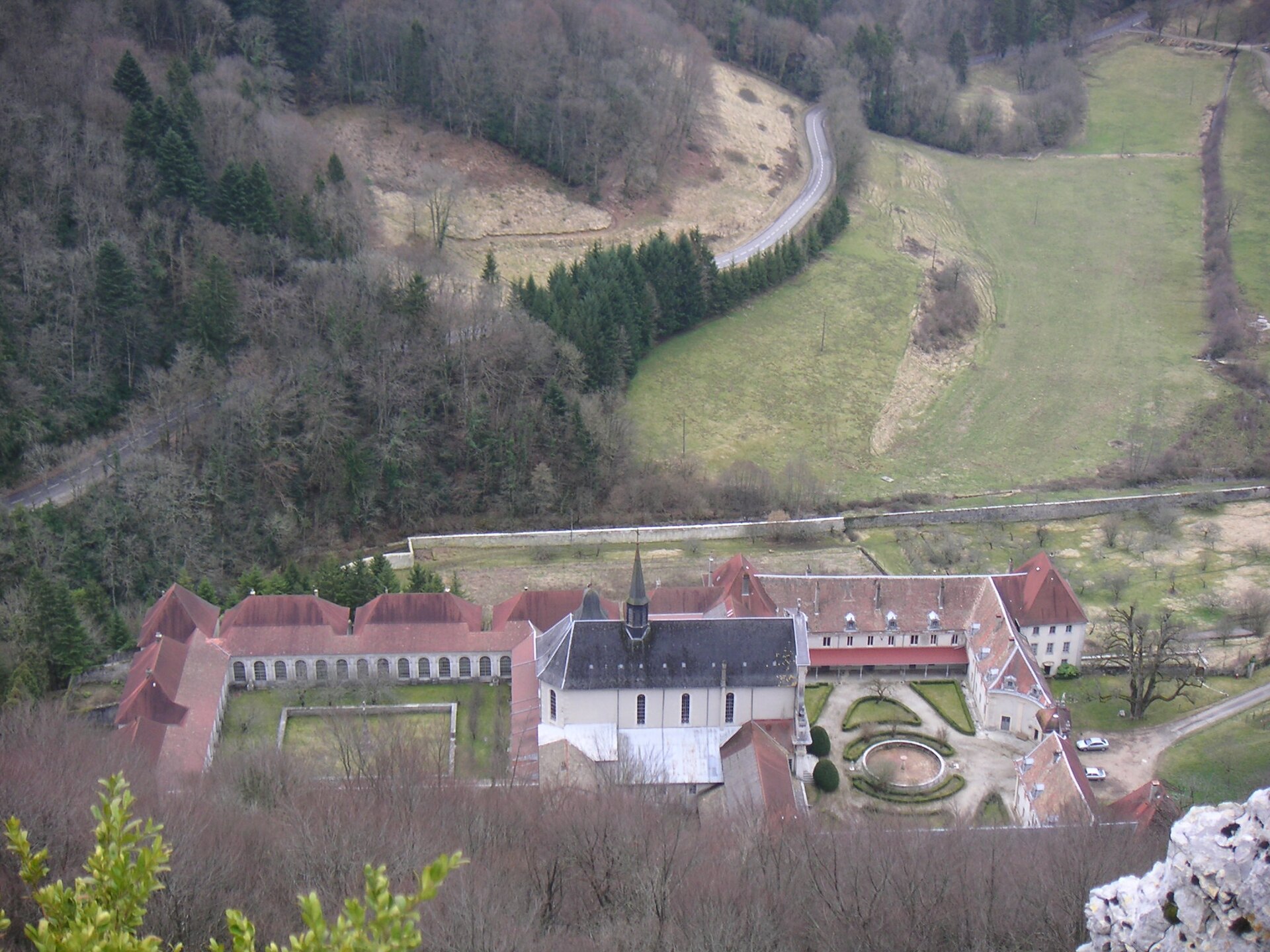
Ambronay Abbey is a former Benedictine monastery in the commune of Ambronay, in the Ain department, in the Auvergne-Rhône-Alpes region of France. Today the site combines the role of a historic religious monument with that of a lively cultural centre, best known for the early music festival it hosts every year.
How did the abbey come to be founded?
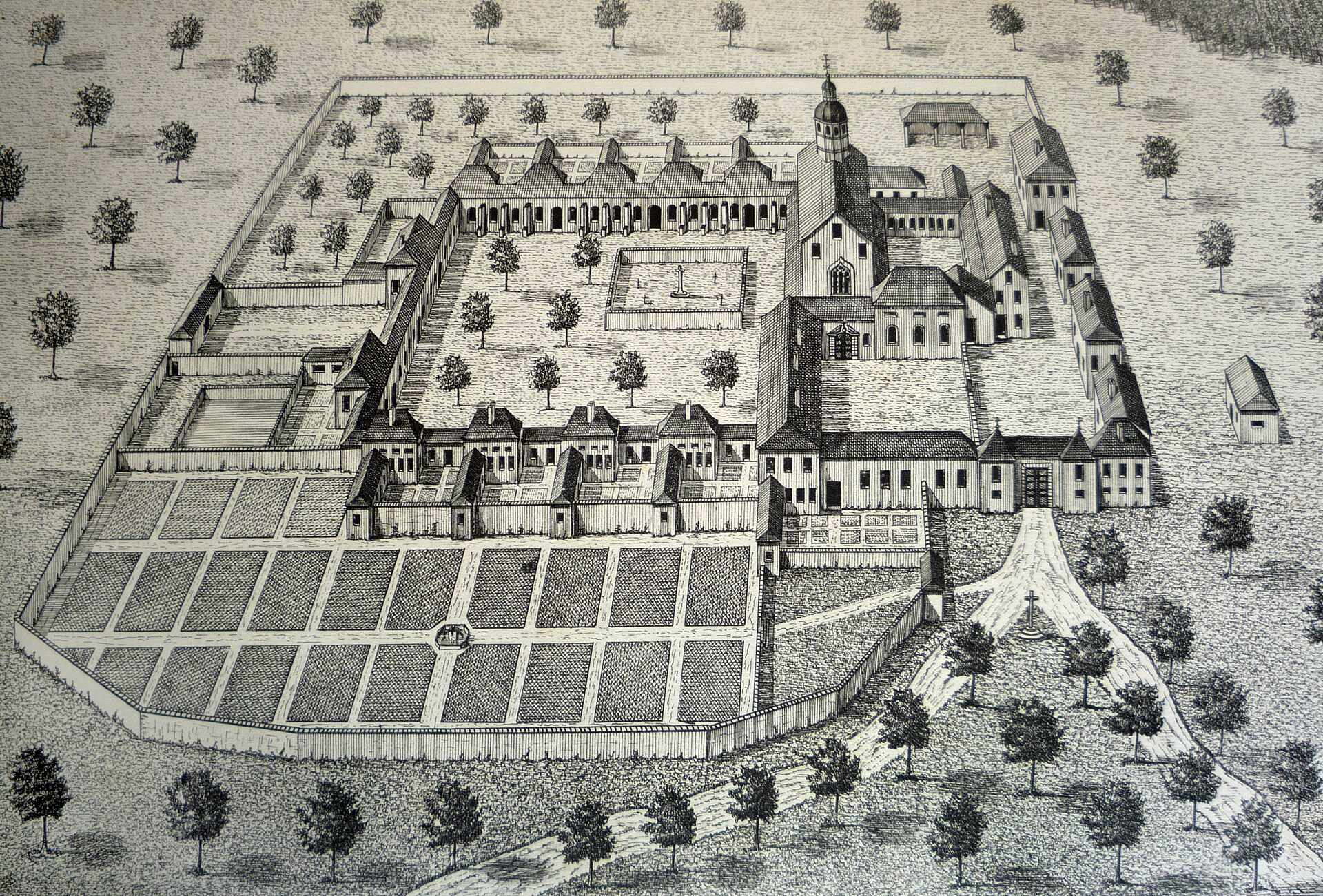
The monastic community at Ambronay traces its origins to the early Middle Ages and is linked to Barnard de Romans, an officer at the court of Charlemagne who was later venerated as a saint. He is credited with establishing monastic life on the site, which was then organised under the Rule of Saint Benedict for centuries to come. The abbey weathered political upheaval and armed conflict while keeping its religious function until the late 18th century, when the French Revolution changed its fate. The monks left the premises in 1791, and for several years the buildings served as a prison for opponents of the Revolution. Part of the complex was damaged, and the church itself was used as a stable for a time before being restored to worship.
What architecture survives today?
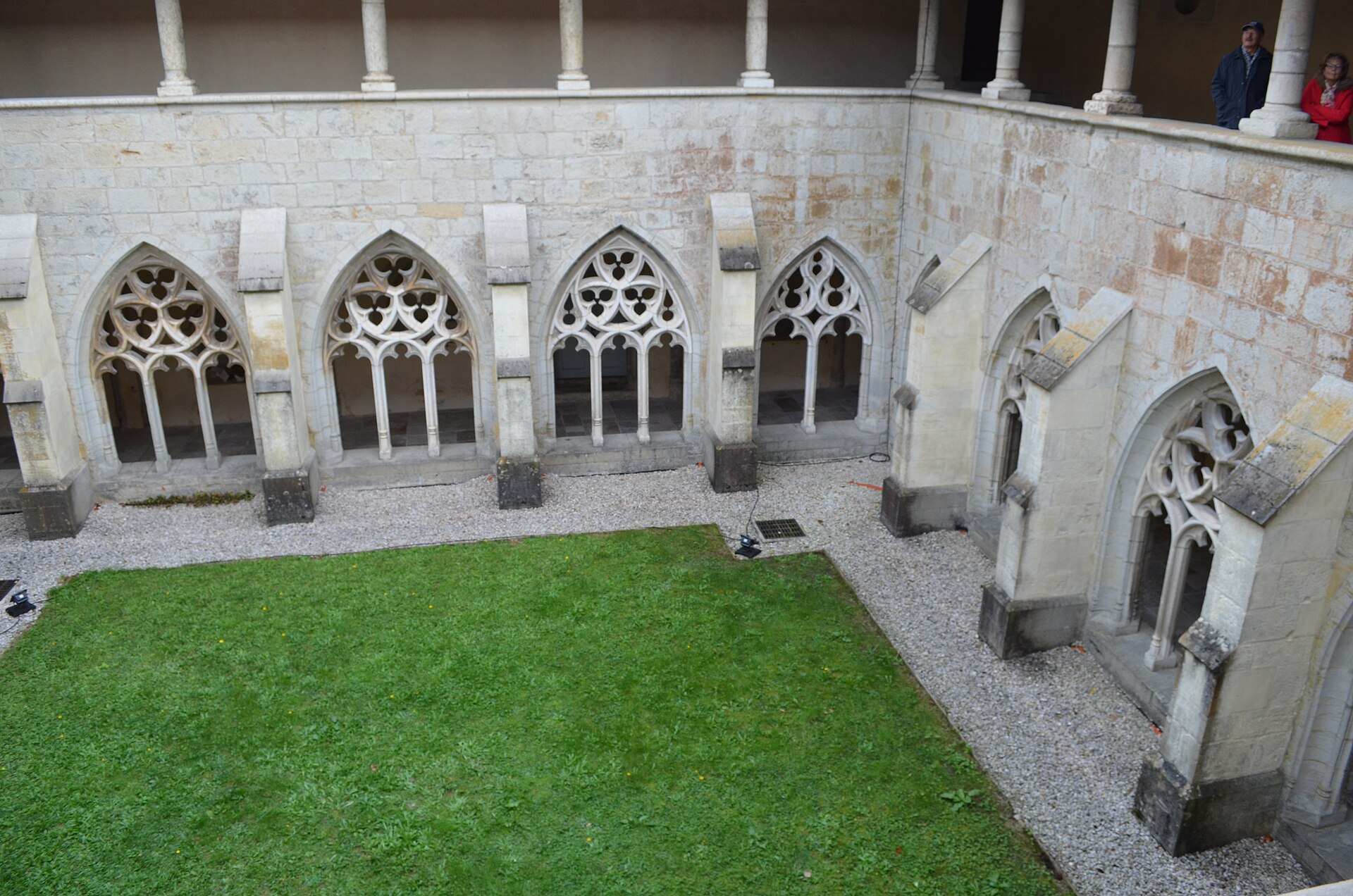
The monastic ensemble at Ambronay blends Romanesque and Gothic elements, making it a notable example of architecture that evolved over several centuries. Its most distinctive feature is the cloister, rebuilt in the 15th century in the Flamboyant Gothic style, recognisable by its delicate tracery and pointed arches. The abbey church, despite the damage suffered in the 18th century, retained enough of its structure to host concerts and services today. Taken as a whole, and despite repeated alterations over the centuries, the abbey remains one of the more significant religious monuments in the Ain department.
Why is Ambronay associated with baroque music?
Since 1980, the abbey has hosted the Ambronay Baroque Music Festival, launched on the initiative of Alain Brunet. Every September, over the course of three weeks, the former monastery fills with early music performed by leading names in the field, among them Philippe Jaroussky, Jordi Savall, William Christie and Leonardo García Alarcón. The festival's success rests not only on the calibre of the performers it attracts but also on the acoustics of the abbey church itself, widely regarded as particularly well suited to vocal and instrumental music from before the classical era. Over time, the event has turned the abbey into a recognised hub for baroque music on a European scale.
What is the abbey used for today?
The complex now operates as a "centre culturel de rencontre" — a cultural meeting centre — combining heritage preservation with an active artistic programme. Beyond the September festival, the abbey hosts workshops, artist residencies and educational events centred on early music. The site draws visitors interested in religious architecture and medieval history as much as those coming specifically for classical and baroque music.
Frequently asked questions
Where is Ambronay Abbey located? In the commune of Ambronay, in the Ain department, in the Auvergne-Rhône-Alpes region of eastern France.
Who founded the abbey? Monastic life at Ambronay is linked to Barnard de Romans, an officer under Charlemagne who was later recognised as a saint; the community followed the Rule of Saint Benedict.
What architectural style does the abbey represent? The complex combines Romanesque and Gothic features, with its 15th-century Flamboyant Gothic cloister being the most distinctive element.
What is the Ambronay Baroque Music Festival? Held every September since 1980, it is dedicated to early and baroque music, bringing renowned performers to concerts staged in the abbey church, prized for its exceptional acoustics.
Can the abbey be visited outside the festival? Yes, as a heritage site and cultural centre it operates throughout the year, though visitor interest peaks in September during the festival itself.
Nearby places

Earn badges for the places you visit
Download NextOnTrip, discover new places and check off your trails.