About this place
Vilageriu is a small heritage cluster in the municipality of Tona, in the Osona region of Barcelona province, Catalonia. It brings together an old Catalan farmhouse (masia), the adjoining Romanesque chapel of Sant Miquel de Vilageriu, and a single-arch stone aqueduct, all about 500 metres from the centre of Tona. The site is listed in the Inventory of Architectural Heritage of Catalonia.
What will you see there?
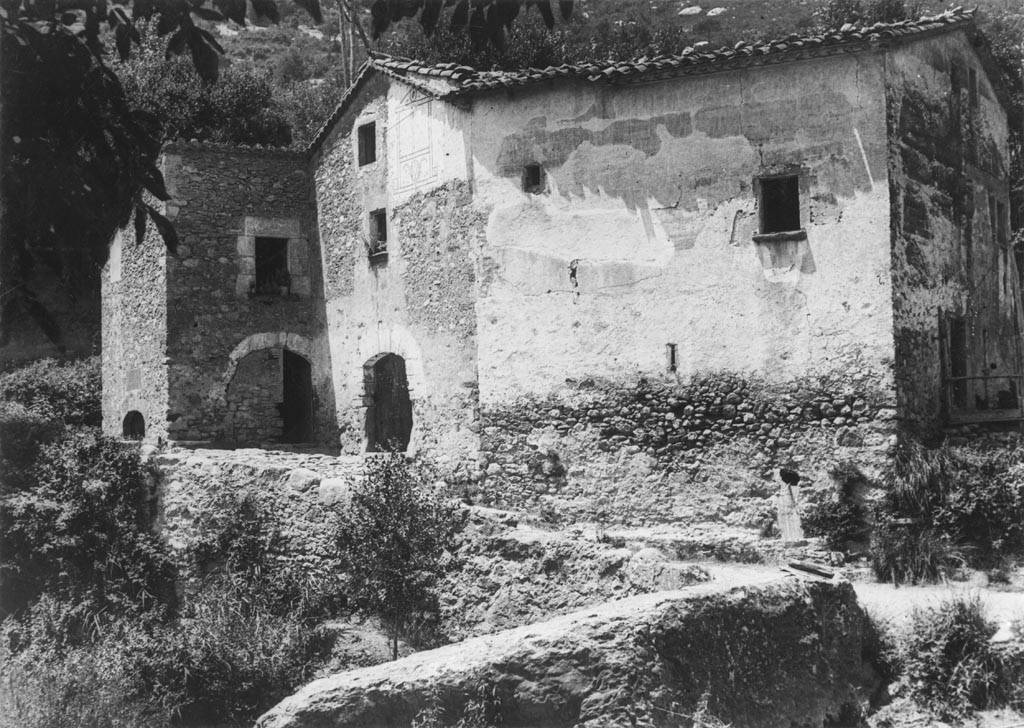
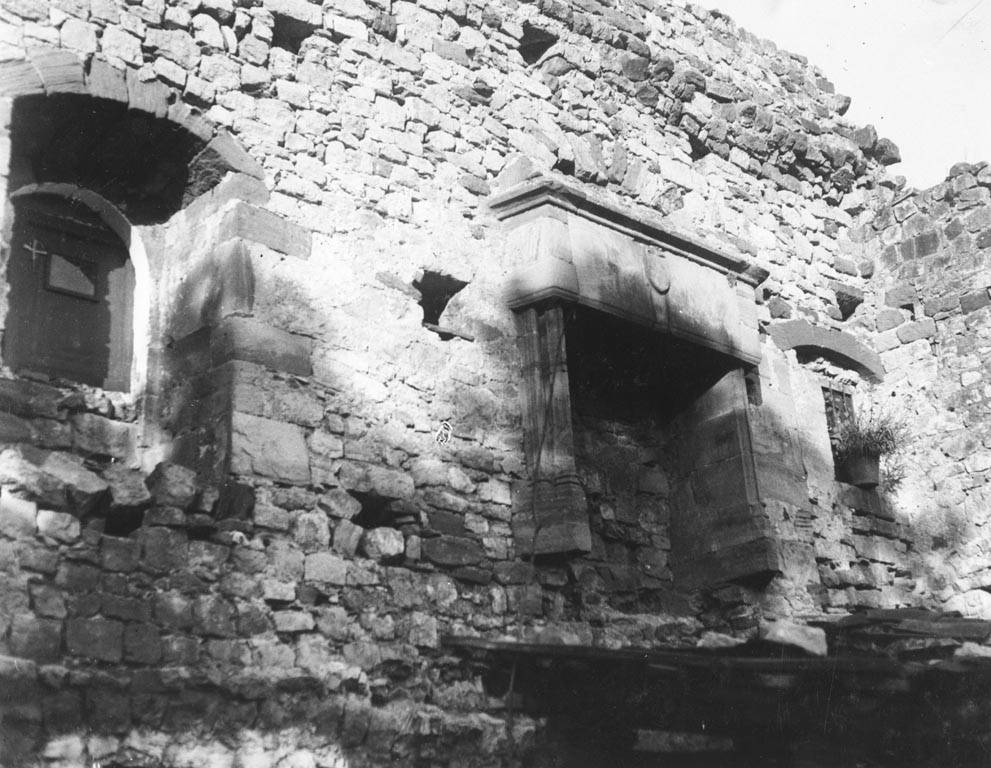
The centrepiece is the masia itself: a substantial building with a ground floor and two upper storeys, topped by a four-sided roof. Its façade carries an ashlar stone portal bearing the carved date 1741. The upper section of the building tells a different construction story — after the structure suffered some kind of damage, it was rebuilt using tàpia, rammed earth, so the wall material visibly changes character as it rises, a detail easy to spot from the outside.
A short walk from the farmhouse stands Sant Miquel de Vilageriu (also recorded as Vilageliu), a modest Romanesque chapel that was historically tied to the lords of the estate rather than functioning as an independent parish — although some records do refer to it that way. The ground it stands on once formed part of the old territory belonging to Tona's castle.
The third feature is the Vilageriu aqueduct, a single-arch bridge resting on the stone banks of a small watercourse. It's a modest but distinctive piece of rural engineering that rounds out the historical ensemble.
What is the history behind it?
The oldest surviving reference to this area dates to 12 March 948, when the will of a Levite named Guadanir mentions a place called "Villa Gerille" — considered the earliest form of today's Vilageriu.
The lordship of Vilageliu (Vilageriu) originally belonged to the Rocafort family, who had acquired it from Count Ramon Borrell. Through the 13th and 14th centuries, the estate changed hands several times via marriage alliances, passing to the Oló, Muntanyola, and Santa Eugènia de Sala d'Heures families. In 1300, Guillem Castell donated the house and its lands as an endowment to the ecclesiastical benefice of Sant Pere del Castell de Muntanyola.
How do you get there?
Vilageriu sits within the municipality of Tona, in Osona, roughly 500 metres on foot from the town centre. Tona has good road connections to both Barcelona and Vic, making the site an easy stop for a day trip from either city.
When is the best time to visit?
Daytime visits work best, since the architectural details — the 1741 portal, the contrast between the stone and rammed-earth sections of the wall, and the aqueduct's arch — are easiest to appreciate in good light. Spring and autumn in Osona tend to bring milder temperatures than the height of summer, which makes walking around the open site more comfortable.
Frequently asked questions
Is Vilageriu a single building or several? It's a small cluster: the old farmhouse (masia), the adjoining Romanesque chapel of Sant Miquel de Vilageriu, and a single-arch aqueduct, all standing close together.
Where does the name Vilageriu come from? It derives from the early medieval form "Villa Gerille," first recorded in a document from the year 948.
Was the Sant Miquel chapel ever a parish? It most likely served as a simple rural chapel dependent on the lords of Vilageriu, though some sources do list it as a parish.
How far is it from Tona's town centre? The site lies about 500 metres from Tona's built-up area, close enough to reach on foot.
Nearby places

Earn badges for the places you visit
Download NextOnTrip, discover new places and check off your trails.