About this place
Molí de la Llavina is a historic water mill on the outskirts of Centelles, in the Osona region of Catalonia. The complex sits beside a stream that has powered its machinery for centuries and is listed in Catalonia's inventory of architectural heritage.
What will you find on site?
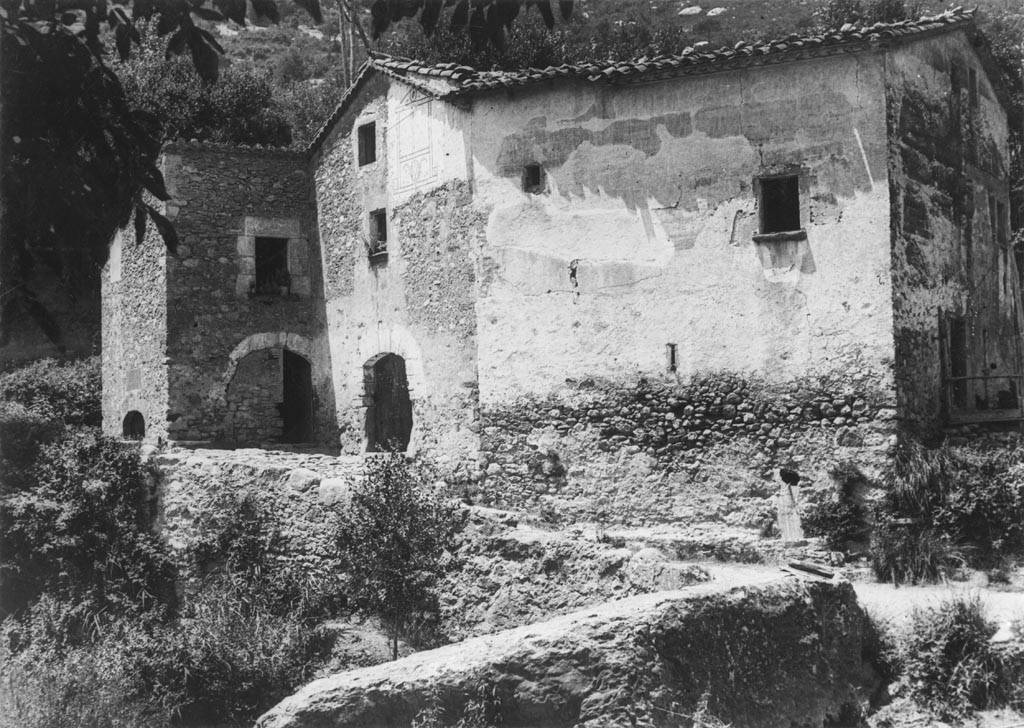
The property is made up of three buildings: two set at right angles to each other on the higher ground, and a third standing apart lower down, which houses the original milling mechanism. Inside, visitors can see the water channels and hydraulic gearing that still allow grain to be ground today. Molí de la Llavina is one of the few grain mills in Catalonia that remains fully operational, so a visit offers a rare chance to watch the whole process at work rather than just look at static exhibits.
Where does the name come from, and what's the history?
The mill already existed in the 11th century, and its presence is confirmed by a document from 1331 linked to the monastery of Sant Pere de Casserres. The name comes from the Llavina family, who settled here in 1497 and stayed tied to the estate for generations afterward. Alongside the grain mill, the complex also preserves a fulling mill, once used to felt and finish woollen cloth — evidence that the farmstead supported more than one type of production at the same time.
What can you do here today?
Today Molí de la Llavina combines its role as a heritage site with that of a working farm: artisan cheeses made from cow's and goat's milk are produced on the premises, and guided cultural visits through the mill are offered to the public. It's a popular stop for families with children, since it shows in a hands-on way how a traditional rural economy functioned, and lets visitors taste local products right where they're made.
How do you get to Molí de la Llavina?
The mill sits on the edge of Centelles, a small town in Osona roughly an hour's drive north of Barcelona. Access is usually via local roads leading out of the town center toward the open valley landscape. The surrounding area is also popular with hikers, and marked trails leading to the mill show up on the routes tracked in outdoor apps.
When is the best time to visit?
Spring and autumn are the most comfortable seasons, with mild temperatures and the greenery around the mill at its best. Summers in Osona can get quite hot, which can make longer outdoor visits tiring, while in winter it's worth checking opening times in advance, since visits often run on set dates or by prior booking.
Frequently asked questions
Is the mill still working? Yes — it's one of the few grain mills in Catalonia still in operation, and its hydraulic mechanism is preserved and used during visits.
Can you buy anything on site? Yes, artisan cow's and goat's cheese made directly on the farm is available for purchase.
Is it worth visiting with kids? Definitely — it's a popular family destination that mixes local history with a real working farm.
How long does a visit take? A guided tour of the mill and farm typically takes around an hour, though this can vary depending on the route offered on the day.
Nearby places

Earn badges for the places you visit
Download NextOnTrip, discover new places and check off your trails.