About this place
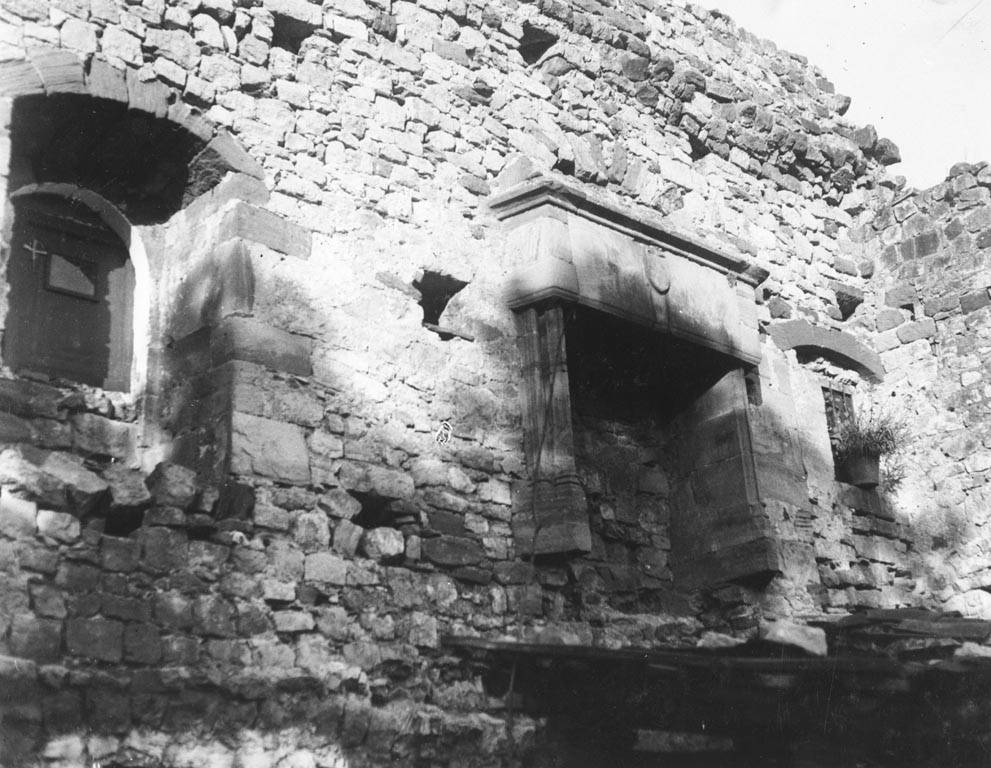
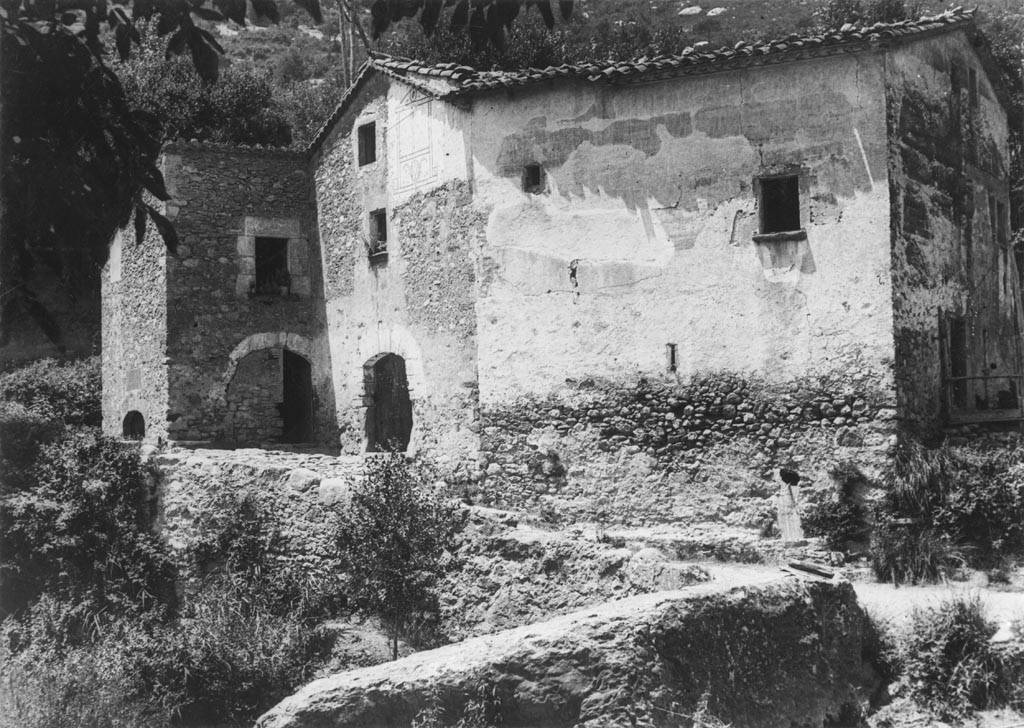
Castell de Cruïlles is a fortified manor house in the town of Aiguafreda, in the Vallès Oriental region, listed as a cultural property of national interest. Despite the word "castell" (castle) in its name, the building is really a fortified noble residence rather than a classic defensive stronghold — a distinction that makes it an intriguing stop off Catalonia's beaten path.
Where does the name come from?
The site itself has a documented history stretching back to at least 898, when the estate was mentioned in the consecration act of the nearby church of Sant Martí. For centuries the residence belonged to the Aiguafreda lineage and served as the jurisdictional seat of the surrounding lands, before the territory was elevated to a barony in 1577.
The building's current name dates to a mid-15th-century marriage: Aldonça de Basella wed Guerau Gilabert de Cruïlles i de Cervelló, a nobleman from a powerful family originating in Baix Empordà — the same region where a much better-known castle bearing the identical name still stands today. It was this couple who rebuilt the manor, giving it the form whose traces remain visible now.
What will you see on site?
Parts of the walls from the original late-medieval fortification survive, along with the remains of two towers. Until recently, the grounds also included extensive ruins of a large 14th–15th-century manor complex, partly inhabited as a working farmhouse. Between 1989 and 1990, the owning family carried out a thorough reconstruction, converting the property into a place of temporary residence — so today the building can be seen in far better condition than a few decades ago, though this is a private restoration rather than a museum-style reconstruction.
How do you get there?
Aiguafreda sits in Vallès Oriental, close to the C-17 road linking Barcelona and Vic, which makes the drive fairly straightforward from central Catalonia. Keep in mind that the manor remains private property, so visits are generally limited to viewing the exterior and walking the surrounding area rather than entering the building itself.
When should you visit?
Spring and autumn are the best times to come, when temperatures in Vallès Oriental are mild and the surrounding hills and woodland look their most attractive. Summers can get hot in the region, but lower humidity than on the coast still makes shaded walks pleasant.
Frequently asked questions
Is the Castell de Cruïlles in Aiguafreda the same castle as the famous Castell de Cruïlles in Baix Empordà? No. These are two different buildings that happen to share a name. The one in Aiguafreda took its name from a 15th-century marriage into the Cruïlles family, while the original Cruïlles castle stands in the municipality of Cruïlles, Monells i Sant Sadurní de l'Heura, in a completely different part of Catalonia.
Can you go inside the castle? The building is privately owned and used as a residence, so visiting the interior is generally not possible. You can, however, admire it from the outside and learn about its history while walking around the surrounding area.
How old is the site? The land the manor stands on has a documented history going back to at least 898, though the current structure dates mainly from the 14th and 15th centuries, with a later restoration carried out between 1989 and 1990.
What else is worth seeing nearby? Aiguafreda and the wider Vallès Oriental region are dotted with small towns, hiking trails, and views toward the Montseny mountain range, so a visit to the manor pairs well with a longer walk through the surrounding hills.
Nearby places

Earn badges for the places you visit
Download NextOnTrip, discover new places and check off your trails.