About this place
Hostal de la Polla is a historic inn building in Aiguafreda, a municipality in the Osona district of Barcelona province, Catalonia. The building is listed in the Inventory of Architectural Heritage of Catalonia and stands as one of the more notable examples of 19th-century roadside architecture in this part of the region.
What kind of place is this?
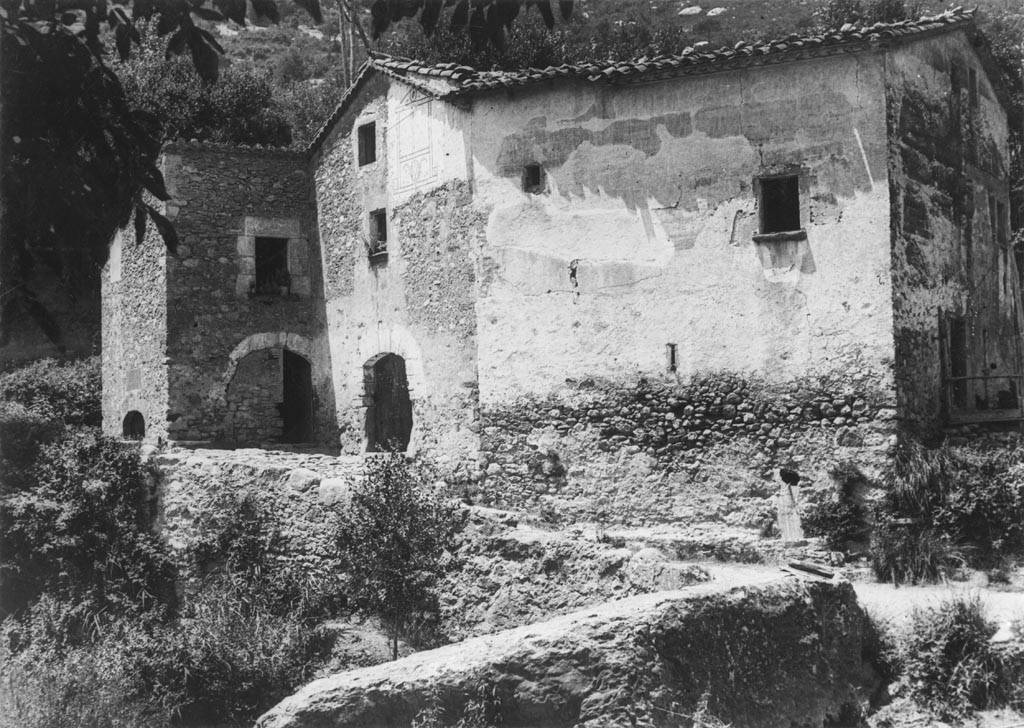
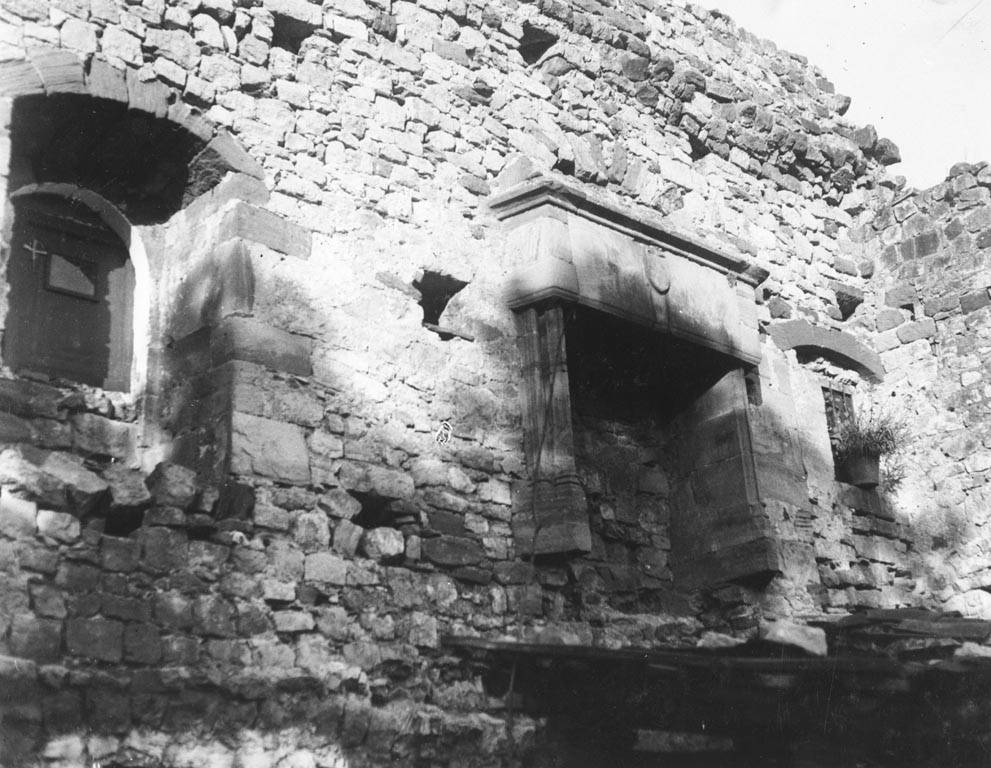
Hostal de la Polla was an inn built in the 19th century at the foot of the old royal road (camí ral) that connected Barcelona with Vic. Buildings of this kind sprang up along the major trade routes of the time, serving travelers, merchants, and cart drivers moving between the coast and inland Catalonia. A date of 1817 is carved into the lintel of one of the doors, giving a precise anchor point for its construction. The building was previously known as Can Barré, and in the 1929 census it was recorded as "l'hostal de la Pabla," owned by Isidre Cruells.
What does the building look like?
The inn follows a layout reminiscent of a classic Catalan masia — a plain, functional form typical of rural architecture in the region. It has a ground floor plus two upper stories, covered by a double-pitched roof. On one of its lateral façades, a distinctive gallery survives: four semicircular arches resting on three columns. This feature sets the building apart from ordinary farmhouses nearby and points to its original commercial purpose as a place built to receive guests.
How do you get there?
Aiguafreda sits in the Osona district, along the historic route linking Barcelona and Vic — today served by the C-17 road and the R3 rail line. Hostal de la Polla stands within the municipality, close to the path of the old royal road from which it once drew its trade. The best starting point is Aiguafreda's town center, a short walk or drive from the building. Note that the property is unoccupied and not open for interior visits — it can only be viewed from the outside.
What condition is it in today?
Hostal de la Polla has stood abandoned for several decades. Without regular use, the building has gradually deteriorated, though its basic structure — the floor layout, the roofline, and the arched gallery — still allows visitors to read its original architectural form. Its listing in the Inventory of Architectural Heritage of Catalonia documents its historical value, even though the building currently receives no active conservation work.
When is the best time to visit?
Since a visit here means viewing the exterior only, spring and autumn are the most comfortable seasons, when temperatures in Osona are mild and daylight suits architectural photography. Aiguafreda and the wider Osona area also serve as a gateway to hiking routes in the Montseny Natural Park, making it easy to pair a brief stop at the old inn with a longer outing through the region.
Frequently asked questions
What was Hostal de la Polla? It was an inn built in the 19th century (with the date 1817 carved on a door lintel) along the old royal road linking Barcelona and Vic, serving travelers and merchants on that route.
Can you go inside the building? No — the property is abandoned and closed to interior visits. It can only be viewed from the outside.
What is architecturally distinctive about it? Its ground floor plus two upper stories under a double-pitched roof, in a form recalling a classic Catalan masia, and above all the lateral gallery with four semicircular arches resting on three columns.
What was the building called in the past? It was previously known as Can Barré, and in the 1929 census it was recorded as "l'hostal de la Pabla," owned by Isidre Cruells.
Nearby places

Earn badges for the places you visit
Download NextOnTrip, discover new places and check off your trails.