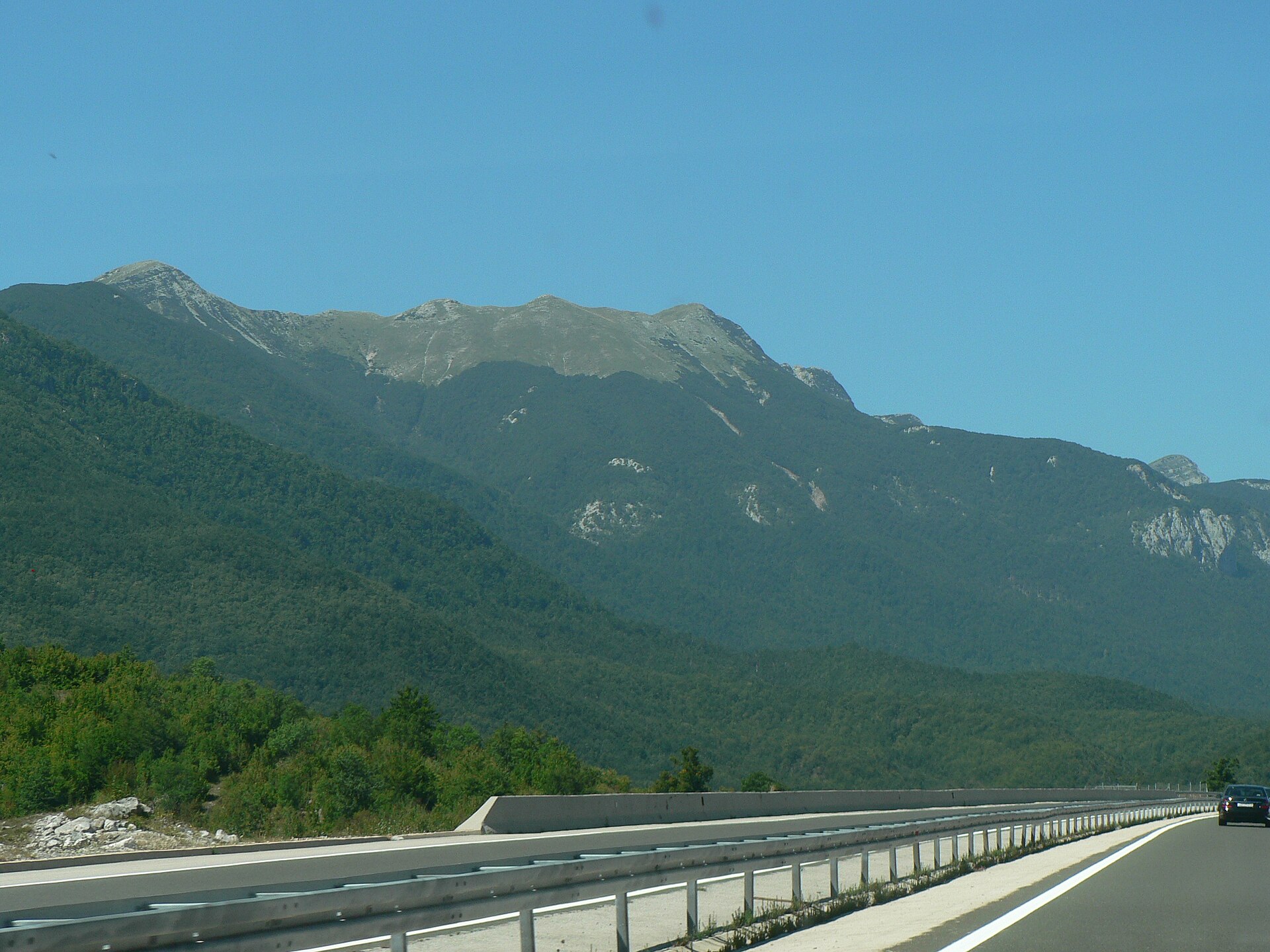
About this place
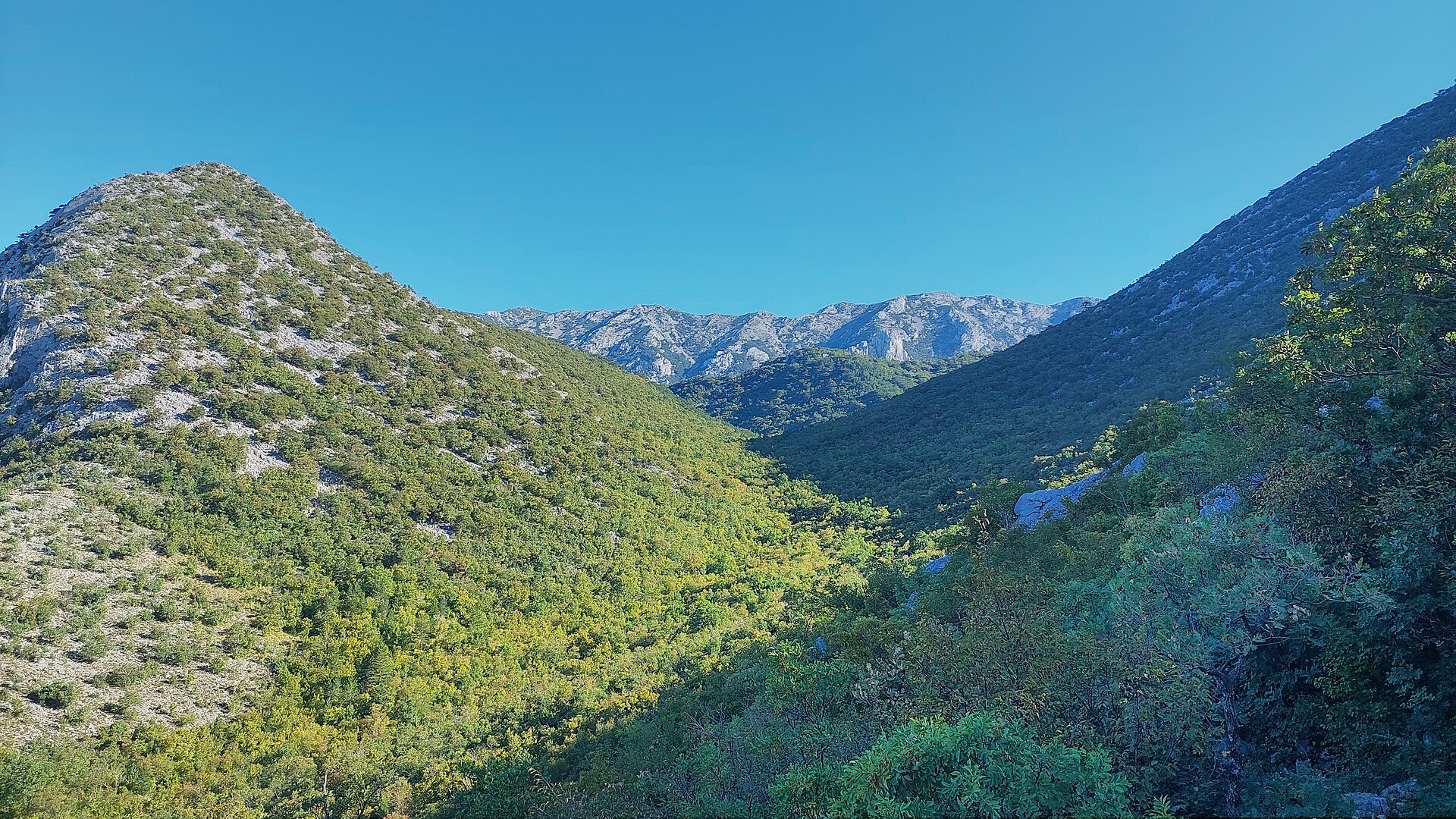
Sveto brdo is the second-highest peak of the Velebit mountain range, rising above the village of Sveti Rok in Croatia's Lika region. At roughly 1751 m, it falls just short of the range's tallest point, Vaganski vrh (1757 m). The peak sits in southern Velebit, right on the edge of Paklenica National Park, and ranks among the most popular hiking destinations in the whole massif.
How do you get to Sveto brdo?
Most hikers use the area around Sveti Rok as their starting reference — a village at the foot of Velebit, also known for the road tunnel that carries the A1 motorway between Lika and the Dalmatian coast. From Sveti Rok, hikers still need to reach one of the trails leading into the massif, typically approaching through Paklenica National Park from the coastal side (for example from Velika Paklenica) or via mountain huts on the Lika side. The approach is physically demanding, so decent fitness, sturdy hiking boots, and familiarity with the trail markings (the white-and-red HPS blazes) are essential.
Because the terrain near the summit is rocky and partly exposed, many hikers turn the climb into a two-day trip with an overnight stay in one of Velebit's mountain huts, spreading out the effort and making the toughest sections safer to cross.
What will you see at the top?
A roughly 4-meter wooden cross stands on the summit, mounted with plaques of the Ten Commandments — the origin of the peak's local name, "Holy Mountain." According to local belief, this was the spot where forces of good and evil clashed during storms, which is how the mountain earned its name.
The summit offers one of the finest views in all of Velebit: it's one of the few points on the range where you can look inland toward Lika on one side and out toward the Adriatic coast and its islands on the other. The immediate landscape is high-mountain in character — stone scree, rocky ridgelines, and sparse vegetation shaped by strong winds.
When is the best time to visit?
Summer and early autumn (June to September) are the best months to climb, when trails are free of snow and weather is at its most stable. In spring and late autumn, sudden weather shifts and Velebit's notoriously strong winds are more likely, while winter ascents call for proper mountaineering experience and gear due to ice and snow cover.
Whatever the season, it's worth checking the forecast right before setting out — Velebit is known for abrupt weather changes, especially the powerful bura wind blowing in from the coast.
Frequently asked questions
How high is Sveto brdo? The peak reaches about 1751 m, making it the second-highest point in the entire Velebit range, just behind Vaganski vrh.
Where does the name "Sveto brdo" come from? The name means "Holy Mountain" and comes from a local legend about forces of good and evil clashing on the summit during storms. The story is marked by a wooden cross bearing the Ten Commandments that stands at the top.
Is climbing Sveto brdo difficult? Yes, the route calls for good fitness and hiking experience — the terrain is rocky and partly exposed, which is why many hikers split the trip over two days with a night in a mountain hut.
What can you see from the summit? Sveto brdo is one of the few spots in Velebit where you can see both the inland landscape of Lika and the Adriatic coast with its islands from the Dalmatian side, all at once.
Nearby places

Earn badges for the places you visit
Download NextOnTrip, discover new places and check off your trails.