About this place
St Bavo's Abbey in Ghent is a set of atmospheric ruins of a former monastery in the heart of the Belgian city, not far from the River Scheldt (51.05 N, 3.74 E). Today it is a quiet, hidden oasis combining a lapidary museum, greenery and a piece of Ghent's medieval history.
What was St Bavo's Abbey?
The monastery dates back to the 7th century. Its founder is traditionally said to be Amand of Ghent, a missionary who tried to convert the inhabitants of the settlement of Ganda to Christianity. Over time the abbey grew powerful and reached the peak of its glory in the 11th century, becoming one of the region's most important religious centres. According to Britannica, the site was also the birthplace of John of Gaunt, Duke of Lancaster.
Why was the abbey demolished?
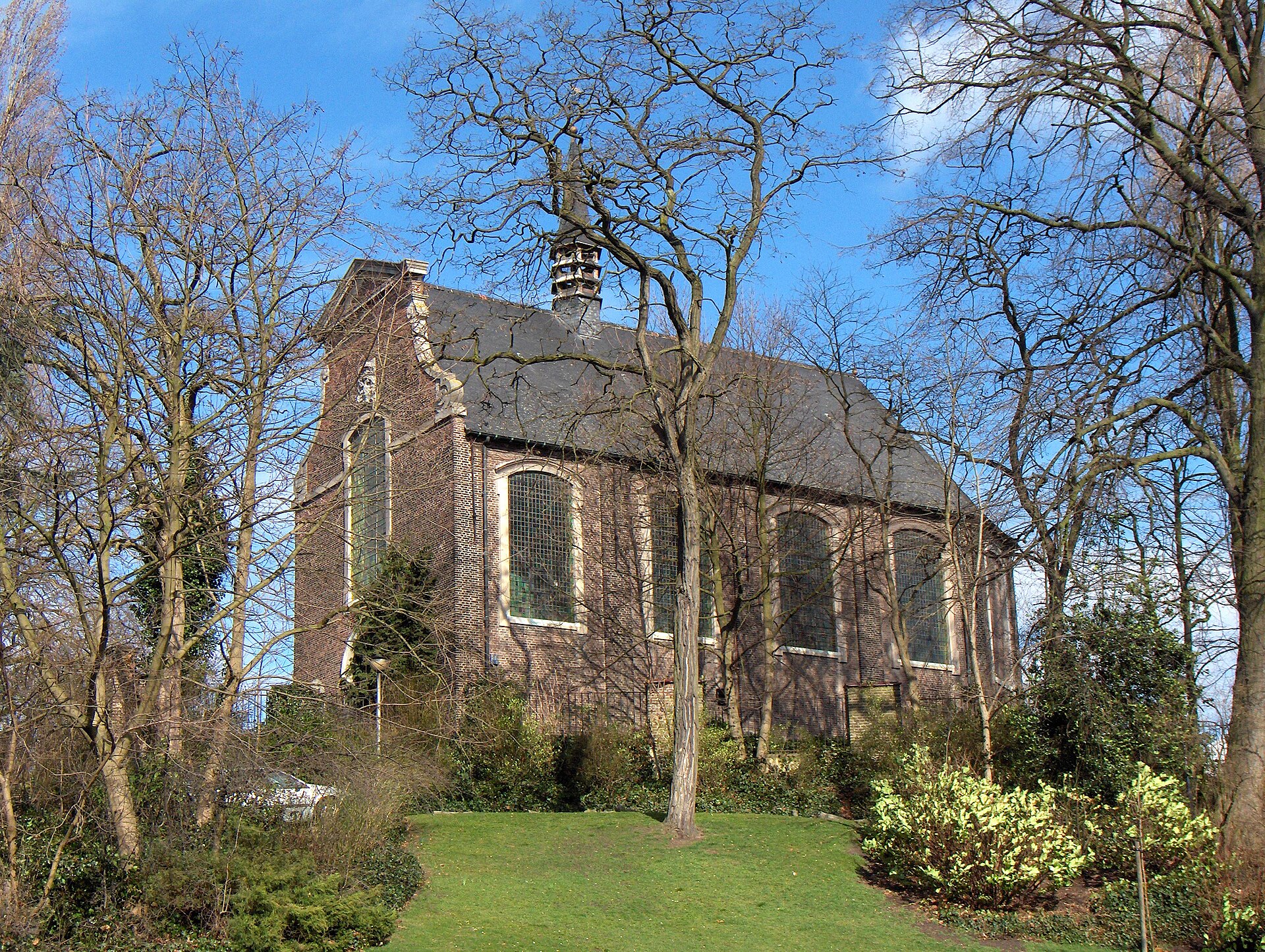
In the 16th century Emperor Charles V punished Ghent for rising up against his rule. In 1540 he ordered the abbey to be pulled down, and the decree also called for a Spanish fortress to be built on the site. Only some buildings were spared, among them the cloisters, a chapel and the impressive refectory, the monks' former dining hall. The abbey church itself vanished.
What can you see today?
Although the church is gone, its outline can still be read in the landscape. The shape of the original Romanesque church is marked out with green shrubs, while five-metre-high hornbeam columns evoke the vanished building. The former altar area now serves as a stage for performances. The surviving cloisters and wall remains make an evocative backdrop for a stroll.
In 1887 the ruins became a lapidary museum. It displays fragments of old buildings, including many unidentified architectural pieces recovered around the city. It is a good stop for anyone who enjoys architecture and history.
Frequently asked questions
Is the abbey always open? No. Because of the site's fragility, it is sometimes open to visitors for only a few hours a week. Check Ghent's official visitor website for current hours and tickets before you go.
Does the abbey church still exist? No, it was demolished after 1540. Its outline is now marked by shrubs and hornbeam columns.
Who founded the abbey? Tradition credits Amand of Ghent, in the 7th century.
Who is it for? History and architecture lovers, and anyone seeking a calm corner away from the crowds of central Ghent. It pairs well with a walk through the nearby old town.
St Bavo's Abbey reflects the turbulent past of Ghent: from a mighty monastery, through an emperor's punishment, to peaceful ruins where music and the footsteps of visitors now echo. It is a rewarding stop for anyone who wants to see a less obvious side of the city and understand its deeper history, far from the busiest tourist routes.
Nearby places

Earn badges for the places you visit
Download NextOnTrip, discover new places and check off your trails.