About this place
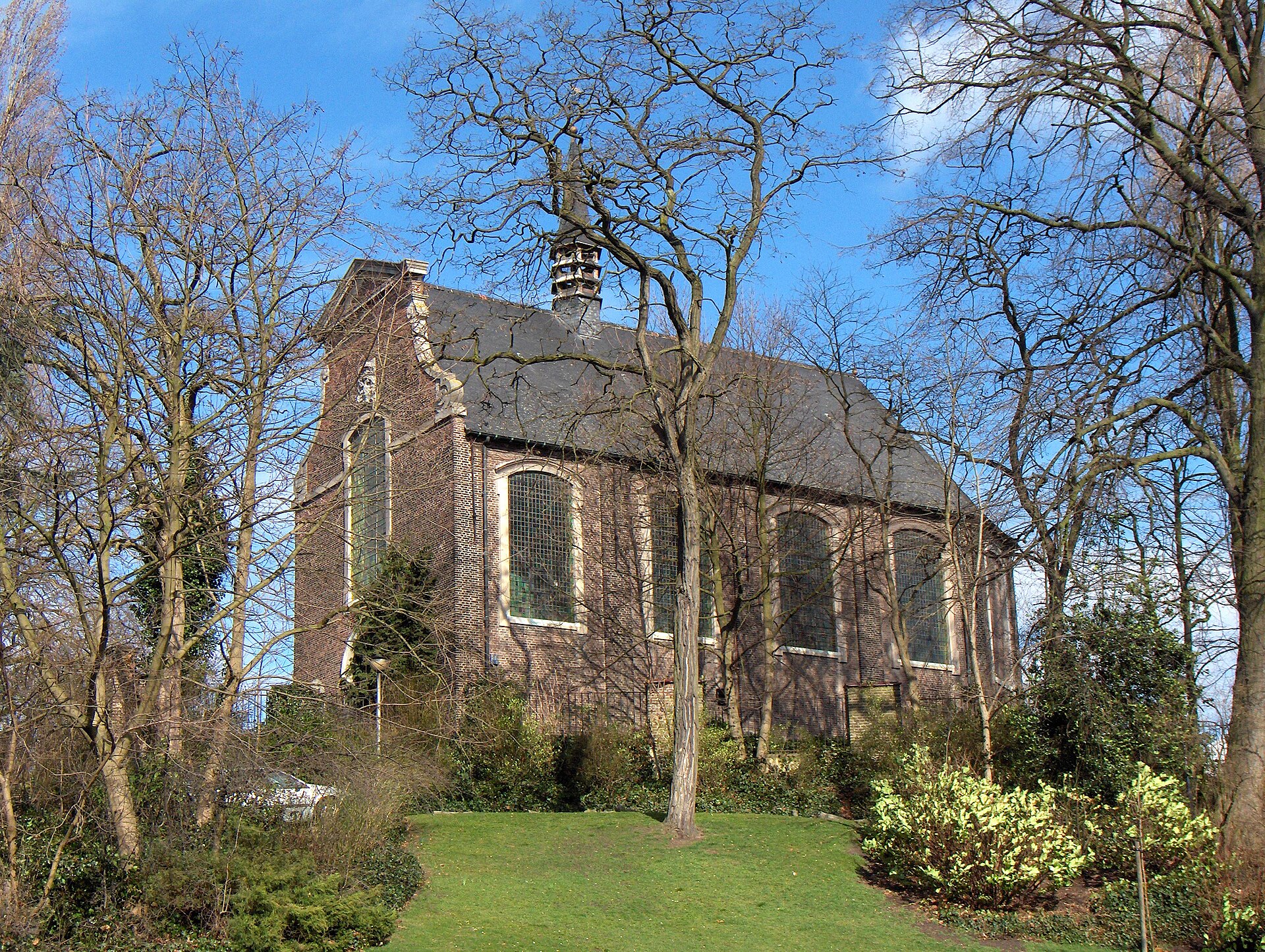
Bijloke is a former monastery and hospital site in Ghent, Belgium, and one of the city's oldest and most distinctive historic complexes. Located at coordinates 51.04389, 3.71667, it sits in a quieter part of Ghent, set apart from the city centre by the river — a position that suited its centuries-long role as a place of healing.
Where does the name Bijloke come from and what was it originally?
The story begins in the early 13th century. A small hospital in central Ghent could no longer cope with the city's growing population, so around 1228 construction started on a new complex on land known as the "Bijlokemeersen" — a private, enclosed area on the edge of the medieval city. It became one of the largest institutions of its kind in Western Europe at the time. Care of the sick was entrusted to sisters from a nearby Cistercian abbey, and this arrangement eventually led to the founding of a dedicated Cistercian abbey on the Bijloke site itself, functionally tied to the hospital.
How did Bijloke's role change over the centuries?
For more than 500 years the hospital's administration remained in the hands of the Cistercian sisters. That changed at the end of the 18th century, when the French Revolution and the accompanying laws abolishing monasteries turned Bijloke into a civilian hospital run by the city authorities. Another turning point came in 1817 with the founding of Ghent University: the hospital became a training site for doctors and medical staff, and the Anatomical Theatre still standing today dates from this period. Bijloke's uninterrupted role as a centre of healthcare — spanning more than 750 years — finally came to an end in 1982.
What is on the Bijloke site today?
After the hospital closed, the site was transformed into a campus for culture, art and education. Today it houses seventeen different cultural organisations, including STAM — Ghent City Museum, Muziekcentrum De Bijloke (the music centre), the KASK School of Arts, the HOGENT music school, the LOD music theatre company, and the laGeste dance company. The site now functions as one of Ghent's cultural hubs, combining historic architecture with an active contemporary arts scene.
What can visitors see at Muziekcentrum De Bijloke?
The heart of the former hospital — a vast 13th-century hospital ward — has been converted into a concert hall, described as one of the oldest surviving concert halls in the world. Each season it hosts more than 120 concerts of classical, jazz and contemporary music, drawing over 100,000 visitors annually and featuring both local and international artists.
What does STAM show on the Bijloke site?
STAM, the Ghent City Museum, occupies a combination of a 14th-century abbey, a 17th-century convent building and a new 21st-century extension. The museum tells the story of Ghent from the Middle Ages to the present, using historical collections alongside interactive, multimedia displays.
Frequently asked questions
Is Bijloke a single building or a whole site? It is a large complex comprising the former hospital, the abbey, and several buildings added over different centuries, now shared by more than a dozen cultural organisations.
What are the opening hours? The site is generally accessible Monday to Friday (except Wednesday) from 9:00 to 17:00, and on weekends from 9:00 to 18:00; individual venues such as the museum or concert hall may run their own event schedules.
Can you visit the former hospital itself? Yes — the historic architecture can be experienced both through cultural events (concerts, exhibitions) and by exploring the site itself, which ranks among Ghent's most important heritage locations.
Nearby places

Earn badges for the places you visit
Download NextOnTrip, discover new places and check off your trails.