About this place
Campo Santo is a historic cemetery in Sint-Amandsberg, a district of Ghent, spread across a small hill known as the Kapelleberg. The name was borrowed from the Roman cemetery Campo Santo dei Teutonici e dei Fiamminghi, situated next to St. Peter's Basilica, and later attached to this Belgian burial ground because of its similarly artistic character.
How did the site come to be?
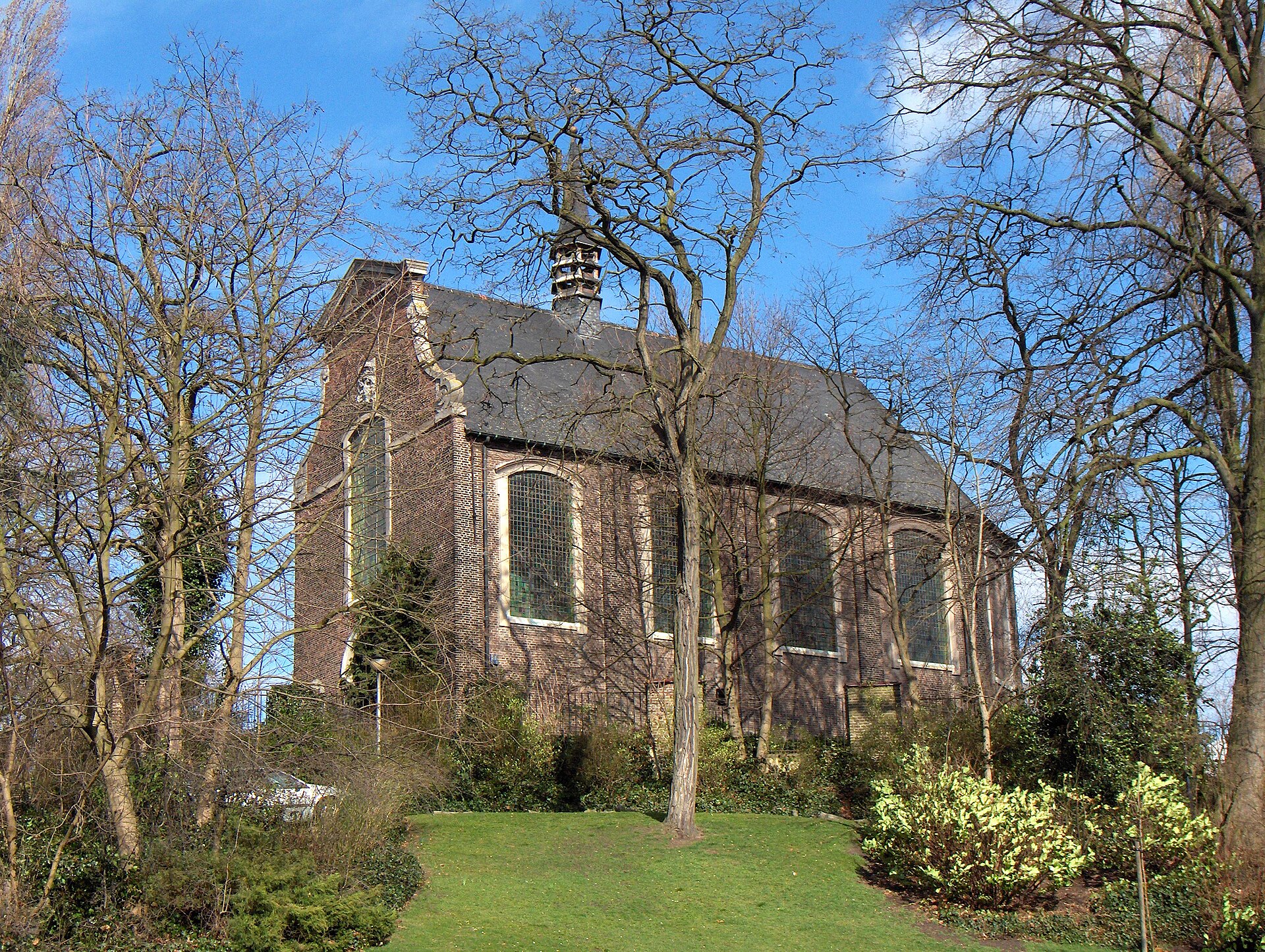
The story of the hill goes back to the early 18th century, when bishop Philips Erard van der Noot had a late Baroque chapel built on its summit in honour of Saint Amandus. The cemetery itself only appeared more than a century later, driven by Fr Jozef van Damme, the parish priest of the newly forming independent parish of Sint-Amandsberg. With support from the then-municipality of Oostakker, plots of land on and around the hill were purchased, and in December 1847 a new parish church together with its adjoining cemetery was consecrated. The very first burial took place on 18 December 1847.
Why is it called "Ghent's Père Lachaise"?
A turning point in the cemetery's history came with the burial of Jan Frans Willems, a writer and leading figure of the Flemish Movement. From that moment on, Campo Santo began attracting members of Ghent's cultural, scientific and bourgeois elite who wished to be laid to rest alongside such notable company. The comparison to Paris's famous Père Lachaise is no coincidence: just as in the French capital, hundreds of elaborately decorated tombs were erected here for painters, sculptors, writers and prominent citizens.
What can visitors see today?
The best-known section of the site is the Campo Santo hill itself, where burials have taken place since 1847. During the 19th century, Ghent's wealthy, largely French-speaking bourgeoisie invested heavily in extravagant funerary art — sculptures, burial chapels and monuments of considerable artistic value. Up until the outbreak of the First World War, five out of every six grave inscriptions were written in French, a detail that today offers a telling glimpse into the social and linguistic divides of the city at the time.
The cemetery was also notably progressive for its era. It was the first neutral cemetery in Ghent, offering a resting place to people of all convictions and leaving families completely free to choose the design of the headstone. Alongside the Catholic bourgeoisie, well-known liberals, politicians, writers, painters and composers also found their final resting place here.
Heritage protection
Given its exceptional historical and artistic value, part of Campo Santo's tombs have been placed under heritage protection: 131 graves are listed as protected monuments. The entire cemetery complex has been officially recognised as a historical monument in Belgium, confirming its status as one of the most significant burial sites in the East Flanders region.
Frequently asked questions
Where exactly is Campo Santo located? The cemetery lies in Sint-Amandsberg, a district of Ghent in East Flanders, on a hill known as the Kapelleberg.
Where does the cemetery's name come from? The name was borrowed from the Roman cemetery Campo Santo dei Teutonici e dei Fiamminghi, next to St. Peter's Basilica.
When was the cemetery founded? The first burial took place on 18 December 1847, shortly after the new parish church was consecrated.
Why is it compared to Père Lachaise? Because of the artistic quality of its many tombs and the fact that it became the resting place of the city's cultural and scientific elite, much like the famous Paris cemetery.
Is the cemetery legally protected? Yes, 131 graves hold protected monument status, and the cemetery as a whole has been recognised as a national historical monument.
Nearby places

Earn badges for the places you visit
Download NextOnTrip, discover new places and check off your trails.