About this place
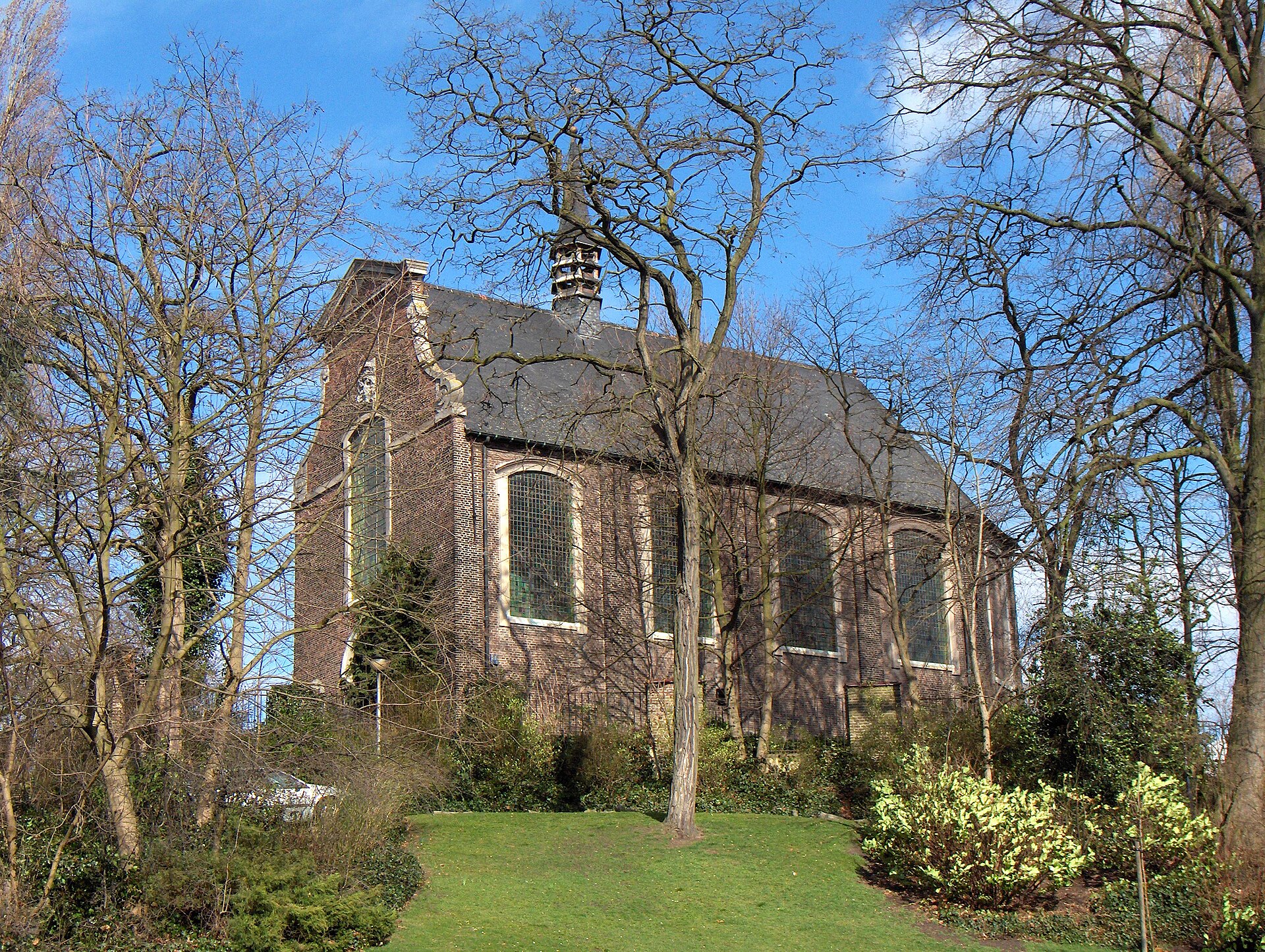
Het Pand is a former Dominican monastery in Ghent, now owned by Ghent University and used as a cultural and convention centre. The building stands on the banks of the river Leie, right in the historic centre of the city, between the river and the street Onderbergen.
How did Het Pand originate?
The site's history goes back to 1201, when a hospital known as "Uten Hove Hospitaal" was founded here. The institution could not cope with the number of patients it received, so in 1228 it was handed over to the Dominican order. Around 1240 the former hospital was expanded with a large church on its southern side, giving the complex a layout close to what still stands today.
What role did it play in Ghent's history?
In the 16th century the building housed Ghent's first theological university, making Het Pand a centre of learning long before it became part of a modern university. A turbulent period followed in 1578, when Calvinists expelled the Dominicans from the monastery and converted the building into a Calvinist seminary and temple. The situation reversed in 1584, when the city was captured by the troops of the Duke of Parma and the Dominicans recovered their monastery.
What happened to the building in the 19th century?
During the 19th century Het Pand lost its purely religious character. Its rooms were rented out to students, artists and Ghent's homeless population, turning the complex into a place of mixed, urban life quite far removed from its earlier monastic discipline.
How did Het Pand become part of Ghent University?
A defining moment came in 1963, when the building passed into the ownership of Ghent University. The university established a cultural centre and several scientific museums there, giving the complex a new public function open beyond just students.
What is Het Pand used for today?
Today Het Pand is a historical monument, with the entire building recognised as a protected landmark. It serves as the convention and culture centre of Ghent University, hosting conferences, symposia and cultural events. The complex includes a forecourt and the old monastery cemetery, underlining its origins as a monastic foundation.
Where is Het Pand located?
The building sits in the historic centre of Ghent, right by the river Leie, between the river and the street Onderbergen. This waterside location, surrounded by old city buildings, makes Het Pand easy to reach on foot from the city's other historic sites.
Frequently asked questions
What was Het Pand originally? A hospital founded in 1201, transferred to the Dominicans in 1228.
Why did the Dominicans briefly lose the building? Calvinists expelled them in 1578 and turned it into their own seminary and temple; the Dominicans recovered the monastery in 1584 after the city was captured by the Duke of Parma's troops.
Since when has Het Pand belonged to Ghent University? Since 1963, when the university set up a cultural centre and scientific museums there.
What function does it serve today? It is Ghent University's convention and culture centre, listed as a historical monument.
Nearby places

Earn badges for the places you visit
Download NextOnTrip, discover new places and check off your trails.