About this place
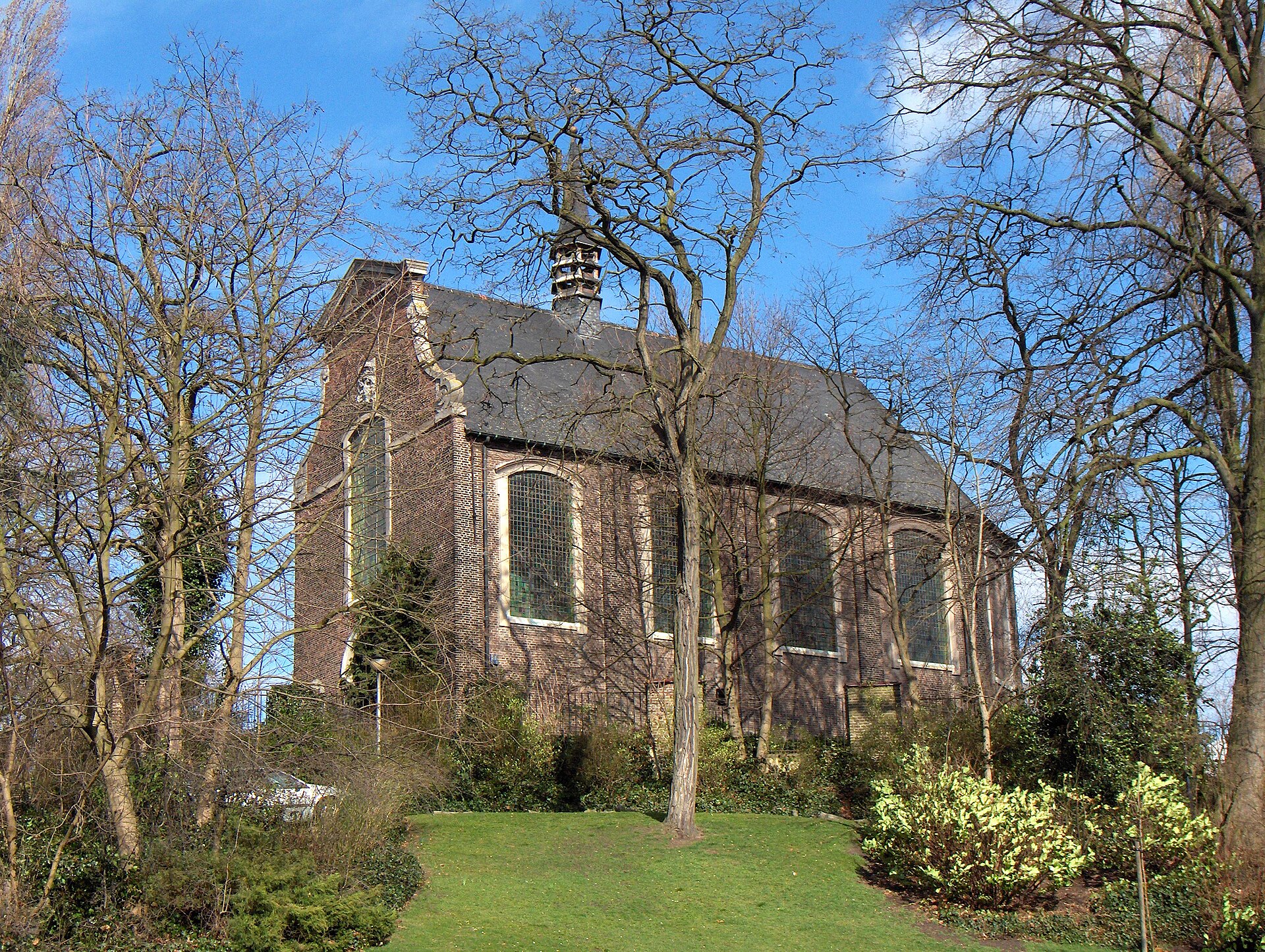
Caermersklooster is a former Carmelite monastery in the historic Patershol district of Ghent, one of the best-preserved monastic complexes in the city. Dating back in its oldest parts to the 14th century, the building was home to a Carmelite community for centuries and today serves as a provincial centre for art and culture.
How did the monastery come to be?
Carmelites first arrived in Ghent in 1272. They settled on the site that would eventually grow into a full monastic complex, with the buildings rebuilt and expanded repeatedly over the following centuries to meet the needs of the community. The result of this long process is a compact architectural ensemble that still dominates the streetscape of Patershol, a district known for its dense layout of narrow lanes.
What happened during the French Revolution?
The monastery's fate changed abruptly at the end of the 18th century. The French Revolution of 1789 reached Ghent as well, and religious orders were dissolved by law. The monastery's property was forcibly put up for sale. The Carmelites did not give up easily, however — they united as private individuals and bought back their life's work, saving the building from being broken up or lost.
This arrangement held for several more decades, but eventually the community left the site for good. On 19 July 1841, the last Carmelite left Lange Steenstraat, and the monastery passed into the full ownership of the Church Factory of the Holy Nativity (Kerkfabriek van Kerstmis).
How did the building's use change afterward?
Once the friars were gone, the building took on an entirely new life. Around 1850 the complex was divided into smaller rooms and rented out. The shift proved deep and lasting — by around 1880, roughly 200 families were living across the former monastery grounds. The old monastic cells and corridors turned into a densely populated residential enclave right in the heart of the city, a fate shared by many former religious buildings across 19th-century Europe following the secularization of church property.
What is Caermersklooster used for today?
Today the former Carmelite monastery serves as a cultural space. Since 2018 it has housed Kunsthal Gent, an institution dedicated to presenting and developing contemporary art, set within the monumental fourteenth-century walls of the former monastery in the centre of Ghent. The contrast between medieval architecture and contemporary art exhibitions creates a striking combination that draws both history lovers and art enthusiasts.
The building also functions as a provincial centre for art and culture, hosting exhibitions and cultural events for both residents and visitors to Ghent.
Where is Caermersklooster located?
The complex sits in Patershol, one of the oldest and most picturesque parts of Ghent's historic centre, known for its well-preserved medieval buildings and narrow cobbled streets. The setting itself is an attraction, independent of the monastery building.
Frequently asked questions
When was the Carmelite monastery in Ghent founded? Carmelites first settled in Ghent in 1272, and the oldest surviving parts of the current monastery building date from the 14th century.
Why did the friars leave the monastery? The process began with the French Revolution in 1789, when religious orders were legally abolished and the monastery's property was put up for sale. The last Carmelite left the building in 1841.
What is inside Caermersklooster today? Since 2018 the former monastery has housed Kunsthal Gent, an institution dedicated to contemporary art, and the building also serves as a provincial centre for art and culture.
Which district of Ghent is the monastery in? Caermersklooster is located in Patershol, a historic, densely built district in the centre of Ghent.
Nearby places

Earn badges for the places you visit
Download NextOnTrip, discover new places and check off your trails.