About this place
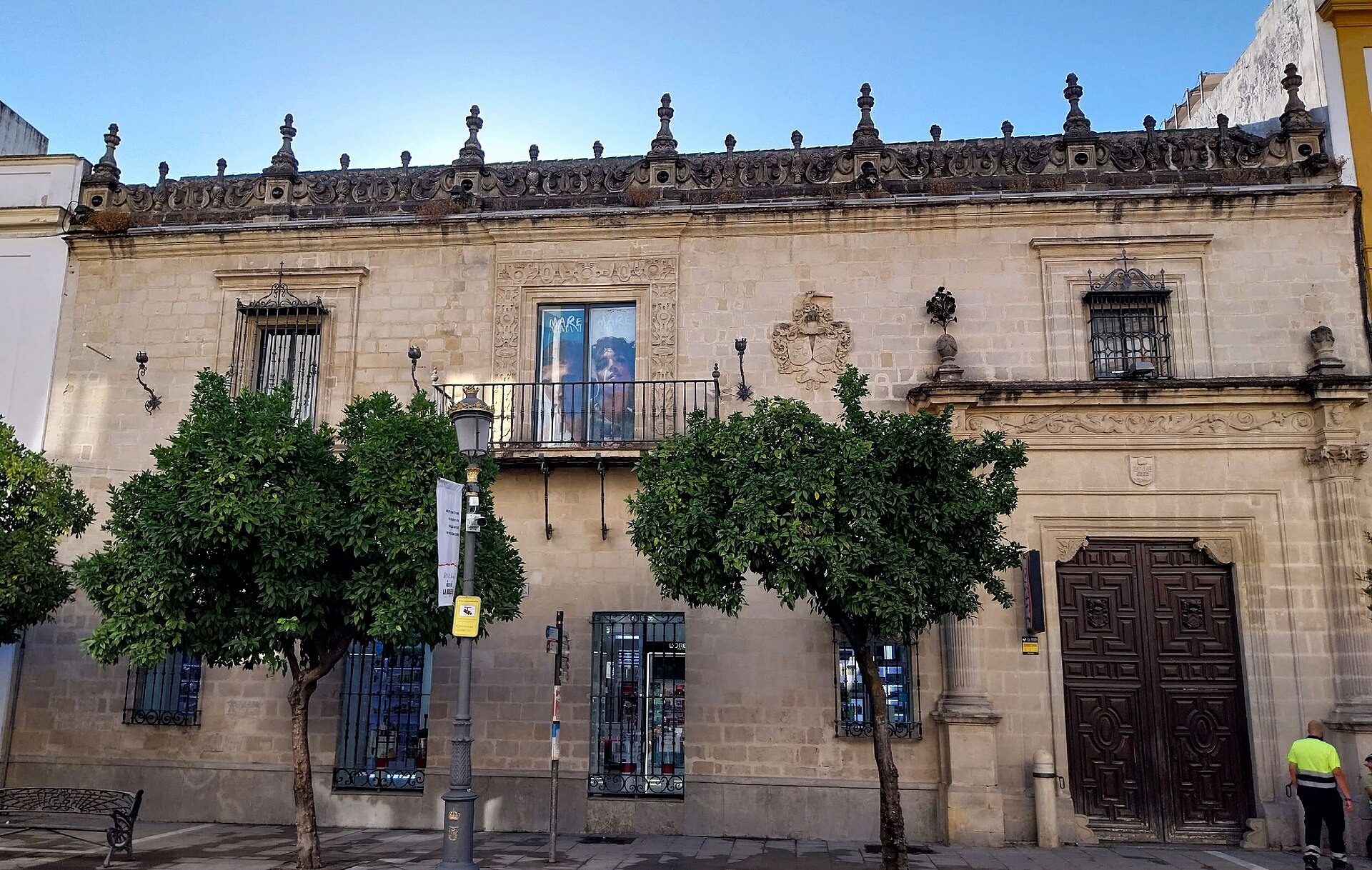
Palacio del Marqués de Villamarta is a historic city palace in the heart of Jerez de la Frontera, in the province of Cádiz, Andalusia. For centuries it served as the residence of the aristocratic Villamarta-Dávila family, doubling as the administrative base for the family's livestock estates and their service to the city of Jerez.
Where does the palace's name come from?
The building takes its name from the Marquesado de Villamarta-Dávila, the noble family that owned it. Its history is also tied to the Pérez de Grandallana line, which produced several notable seamen from Jerez. One of them, Francisco Pérez de Grandallana, was described by the writer Fernán Caballero as a poet of "genuine, noble, elevated and energetic" character.
What does the palace look like today?
The building's present appearance largely dates from a major 1923 restoration carried out by architect Hernández Rubio, commissioned by Álvaro Dávila y Agreda, then Marqués de Villamarta-Dávila. The facade is marked by a heraldic coat of arms, an imposing entrance and a distinctive crest that catches the eye from the street.
Inside, the layout still reflects the typical scheme of an aristocratic residence of the period: a wide carriage entrance, a patio with a double arcade, and a sequence of long, formal rooms covered by Renaissance-style coffered ceilings (artesonados). These features — the arcaded patio, the coffered ceilings and the heraldic facade — are the main reasons to step inside, or at least pause in front of the building.
What is inside the palace now?
The palace is not a museum but a working building. Until 2018 it housed a branch of the fashion retailer Mango, and today it is occupied by the perfumery chain Primor. That means visitors can glimpse at least part of the historic interior while shopping, with no ticket or booked tour required.
How do you get there?
The palace sits right in the historic centre of Jerez de la Frontera, within walking distance of the city's main landmarks, including the Alcázar de Jerez and the cathedral. Jerez is easiest to reach by train or bus from Seville (about an hour's journey) or from Cádiz, and the local airport serves a number of European connections. The old town is compact and best explored on foot.
When is the best time to visit?
Jerez has a mild Mediterranean climate, so the palace and its surrounding streets can be visited comfortably at almost any time of year. Spring and autumn bring the most pleasant temperatures, while summer midday heat can be intense. It's also worth checking the city's festival calendar — Jerez is known for its flamenco and equestrian events, which bring extra life to the historic centre around the palace.
Frequently asked questions
Can you go inside the Palacio de Villamarta? Yes. The building currently houses a Primor store, so part of the interior — including the arcaded patio and rooms with original architectural features — is open to shoppers during store hours, with no separate admission ticket.
How is this palace different from other landmarks in Jerez? It's a rare example of an aristocratic town palace that has survived in active use rather than becoming a closed-off museum, combining historic architecture — arcades, coffered ceilings, a heraldic facade — with a present-day commercial function.
Who commissioned the 20th-century restoration? The 1923 restoration was commissioned by Álvaro Dávila y Agreda, Marqués de Villamarta-Dávila, and carried out by architect Hernández Rubio.
Is it worth combining a visit with other Jerez attractions? Yes — the palace is close to the Alcázar and the cathedral, so it fits easily into a walking route through the historic centre.
Nearby places

Earn badges for the places you visit
Download NextOnTrip, discover new places and check off your trails.