About this place
Plaza de San Andrés is a small, quiet square in the historic center of Jerez de la Frontera, sitting within the San Pedro district — one of the oldest parts of the city, once a suburb just outside its walls.
Where does the square's name come from?
The current name is not the original one. Until the late 18th century, the square was known as Plaza de las Atarazanas, after a weapons depot that likely stood here from around the mid-15th century, when the area belonged to the San Pedro suburb, effectively outside the medieval city. The name San Andrés was adopted before 1788, and the reason was religious: a masonry cross bearing an image of the saint once stood at the center of the square, and this image gave the place its lasting name.
What did the square look like in the past?
The square as it appears today, as an organized public space, dates back to 1860. It owes its layout to José López de Carrizosa, Marquis of Mérito and mayor of Jerez at the time, who ordered its embellishment and turned it into a proper gathering place for residents of the district. Before that, the site had a more functional than decorative role, in keeping with its original purpose as a store of arms.
What is the square's connection to Lord Byron?
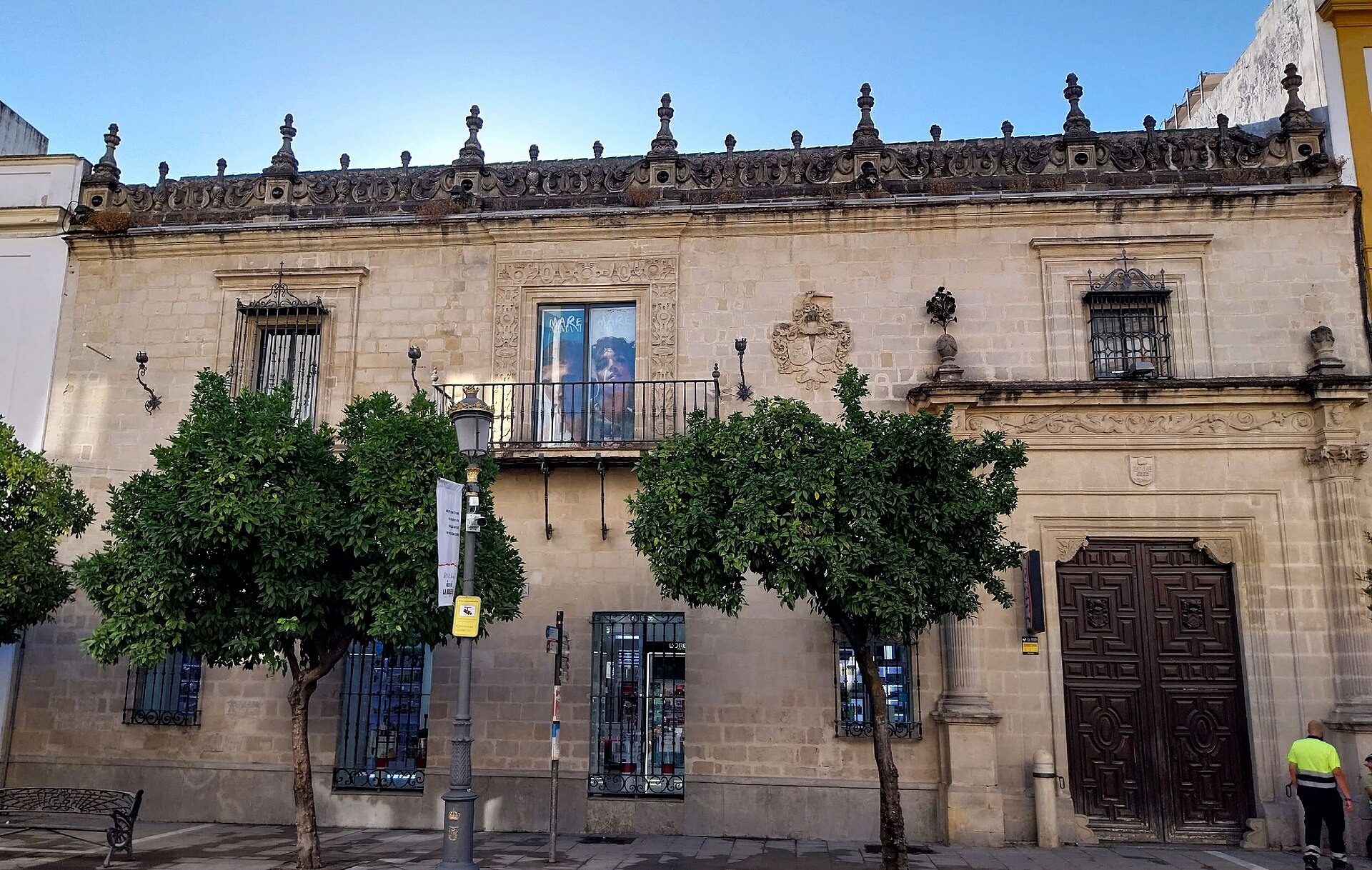
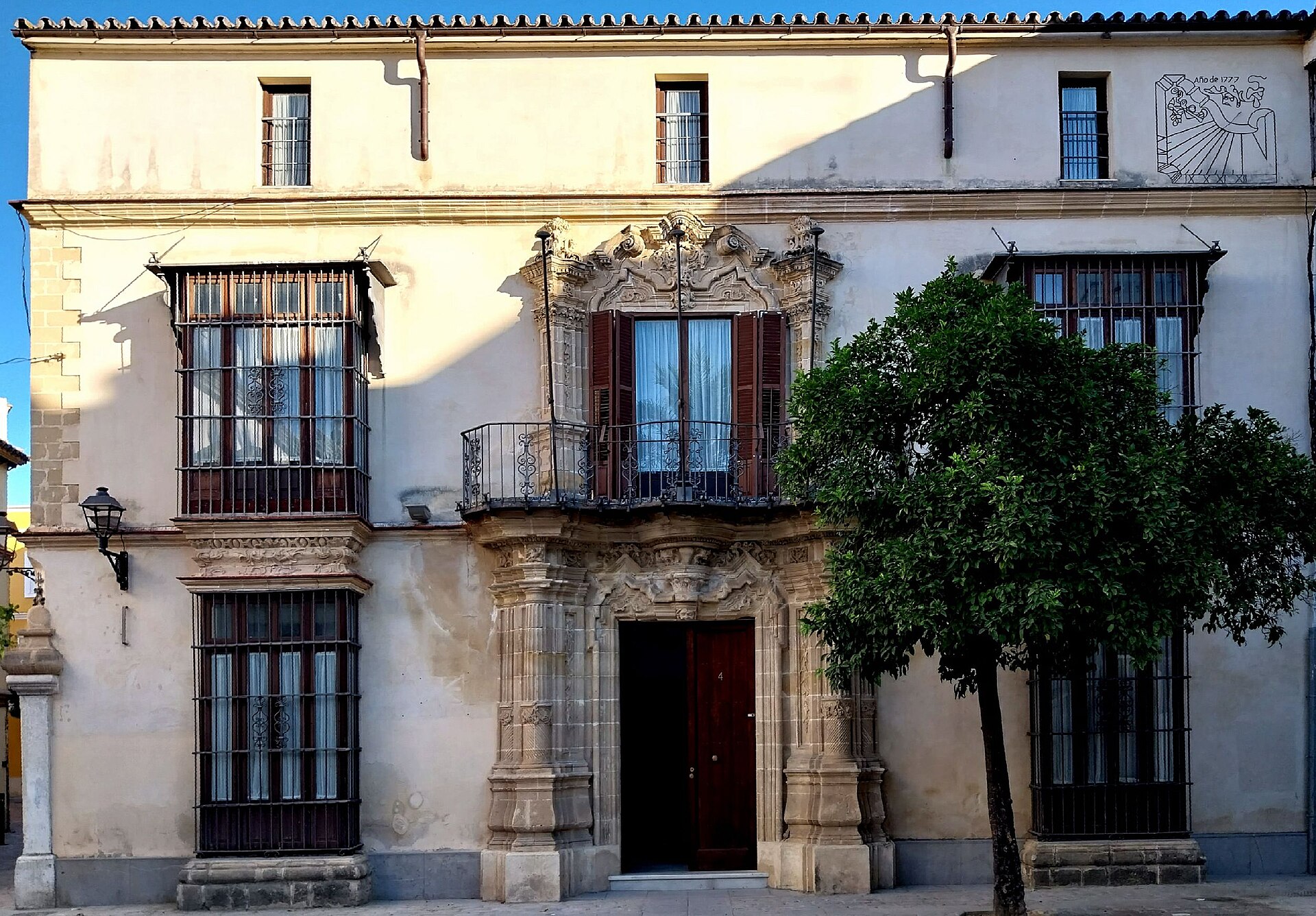
One notable historical detail is the stay of the English poet Lord Byron, who lodged at the Casa de las Atarazanas on this square in 1809. It is a small episode within the larger story of Jerez as a city visited by travelers and writers from across Europe during the 19th century, a period when Andalusia was growing in popularity among foreign guests.
What is worth seeing nearby?
Plaza de San Andrés lies at the heart of the San Pedro district, one of the historic quarters of Jerez, where it is worth paying attention to the architecture typical of the old town — narrow streets, whitewashed houses, and remnants of older defensive and residential building styles. Close by stands the Church of San Pedro, the main parish church of the neighboring suburb, which serves as a natural landmark when exploring this part of the city. Walking through the area gives a sense of Jerez as it was centuries ago, away from the busier tourist routes.
How do you get to the square?
Plaza de San Andrés is located within the historic center of Jerez de la Frontera, which means the easiest way to reach it is on foot from central landmarks such as the cathedral or the Alcázar. Given the narrow streets of the old town, walking is by far the most practical option — cars struggle to get close, and it is better to leave parking on the edges of the center.
When is the best time to visit?
Jerez has a typical Andalusian climate, with hot summers and mild winters, so spring and autumn offer the most comfortable conditions for exploring the square and the surrounding streets, with moderate temperatures and light that particularly favors photographing the intimate architecture of the San Pedro district.
Frequently asked questions
Is there a historic building on Plaza de San Andrés? The square is historically linked to the Casa de las Atarazanas, where Lord Byron stayed in 1809. The square itself owes its current layout to a 1860 remodeling.
Where does the square's name come from? From an image of Saint Andrew that stood by a masonry cross once located at the center of the square. The name was adopted before 1788, replacing the earlier name Plaza de las Atarazanas.
Is the square close to the center of Jerez? Yes, it lies within the old town, in the San Pedro district, an easy walk from Jerez's main landmarks such as the cathedral and the Alcázar.
What else is worth seeing in the San Pedro district? It is worth visiting the Church of San Pedro and strolling through the narrow streets of this historic district to see architecture typical of old Jerez.
Nearby places

Earn badges for the places you visit
Download NextOnTrip, discover new places and check off your trails.