About this place
Plaza Aladro is a small, quiet square in the heart of Jerez de la Frontera, one of the historic towns of Andalusia's "sherry triangle." Unlike the busier squares around the cathedral or the alcázar, Aladro has kept a residential, low-key feel — easy to walk past without noticing, but worth a short stop.
Where is it and how do you get there?
Plaza Aladro sits within the area once known as Llanos de San Sebastián, land that was folded into the city during one of Jerez's larger 18th-century urban expansions. Today the square is fully within the town centre, just a short walk from the main sights of the old quarter. City buses serving central Jerez stop nearby, and it's roughly a fifteen-minute walk from the train station. Drivers will find parking a few streets away, since — like most of the historic centre — the square itself sees limited car traffic.
Why is the square named Aladro?
The name honours Juan Pedro Aladro y Kastriota, a lawyer and diplomat born in Jerez in 1845 who died in Paris in 1914. He served in Spanish diplomatic posts in cities including Vienna, Paris, Bucharest, Brussels and The Hague. Through his mother's line he descended from the Kastrioti family — the same lineage as the Albanian national hero George Kastrioti Skanderbeg — which made him one of the claimants considered for the Albanian throne at a time when the country was seeking its own monarch. It was Aladro himself who financed the creation of this square, an unusual footnote in the story of a city better known for producing sherry and brandy.
What's worth seeing nearby?
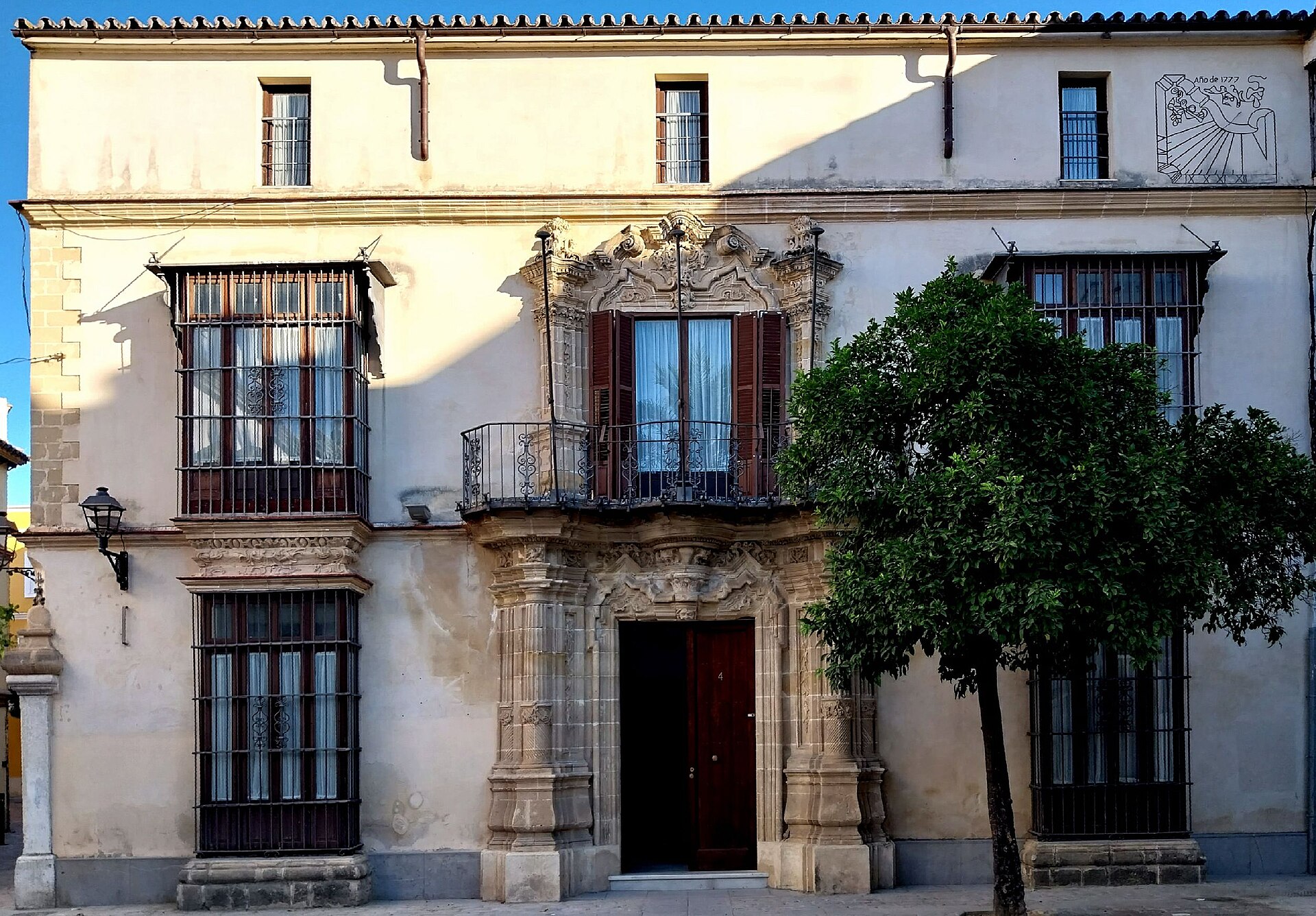
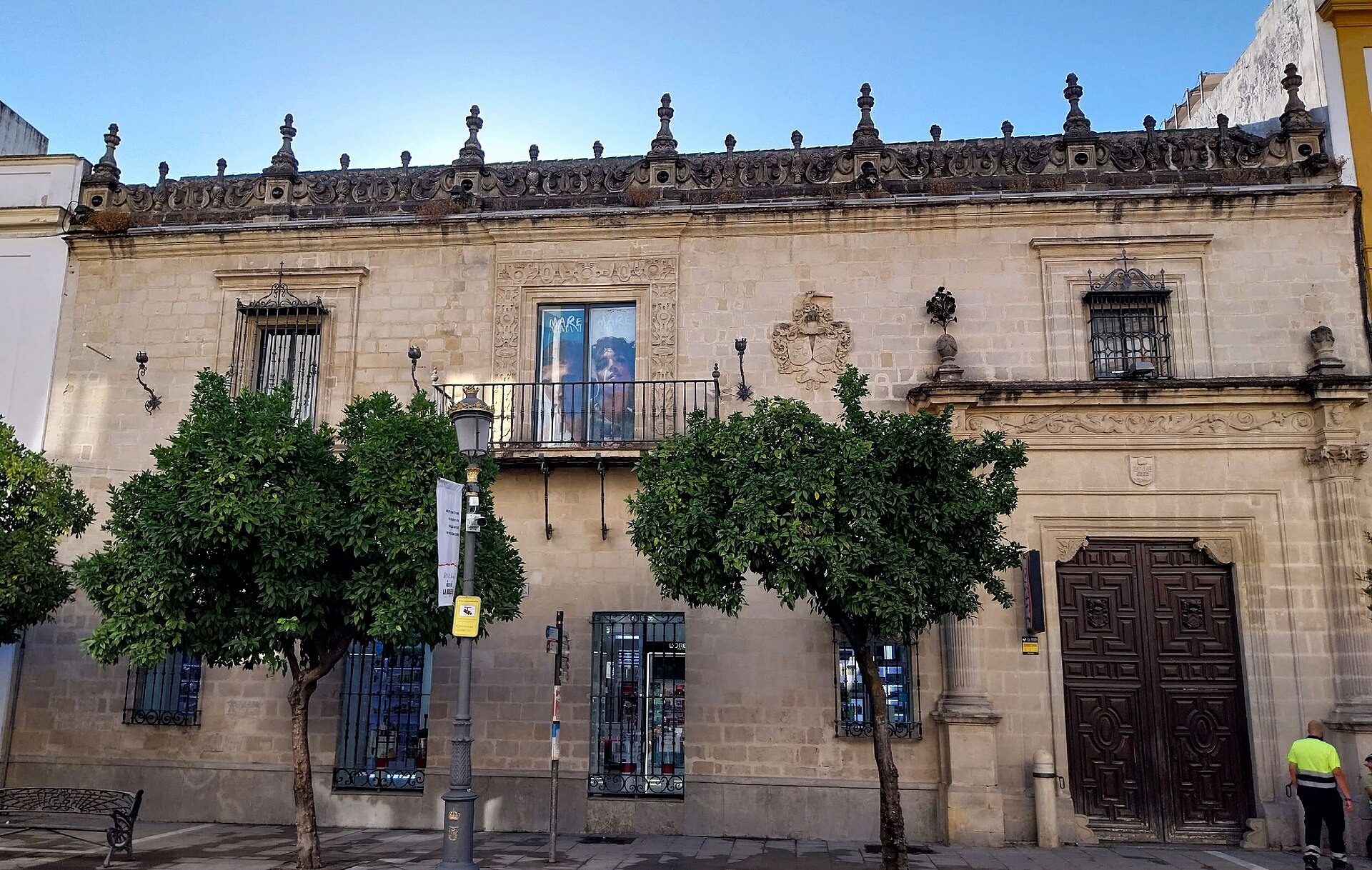
Two buildings stand out architecturally around the square. To one side is the Palacio de Domecq, a mansion tied to one of the oldest and most influential sherry-producing families in the region, and a good example of the 19th-century residential architecture built by Jerez's wine dynasties. Behind the square stands the Convento de Santo Domingo, a Dominican convent and one of the older religious buildings in this part of the city. Walking the surrounding streets, it's worth noticing the modest residential houses — many still carry the 19th-century character typical of neighbourhoods built when Jerez expanded beyond its medieval walls.
When should you visit?
Jerez has the Mediterranean climate typical of southern Spain, and the most comfortable months for walking around the town — including the streets around Plaza Aladro — are spring (March to May) and autumn (September to November), before the heat of July and August sets in. Because the square is essentially a local, residential space rather than a ticketed attraction, there's no strict visiting season: it can be seen at any time of day, though afternoons tend to bring more shade thanks to the buildings lining both sides.
Frequently asked questions
Is Plaza Aladro a major tourist attraction? Not in the ticketed sense — it's primarily a city square with a residential and everyday function, worth a visit mainly for the architecture around it and the story behind its name.
How much time should I set aside? The square itself takes only a few minutes to walk around, but allow 20–30 minutes if you also want to look at the Palacio de Domecq and the Convento de Santo Domingo.
Are there cafés or restaurants right on the square? The area is largely residential, so there are fewer dining options than around the main tourist squares — more choices appear a few streets away, closer to the cathedral.
Can I walk there from the old town? Yes, the square lies within the historic centre and is easily reached on foot from most of the main sights in Jerez de la Frontera.
Nearby places

Earn badges for the places you visit
Download NextOnTrip, discover new places and check off your trails.