About this place
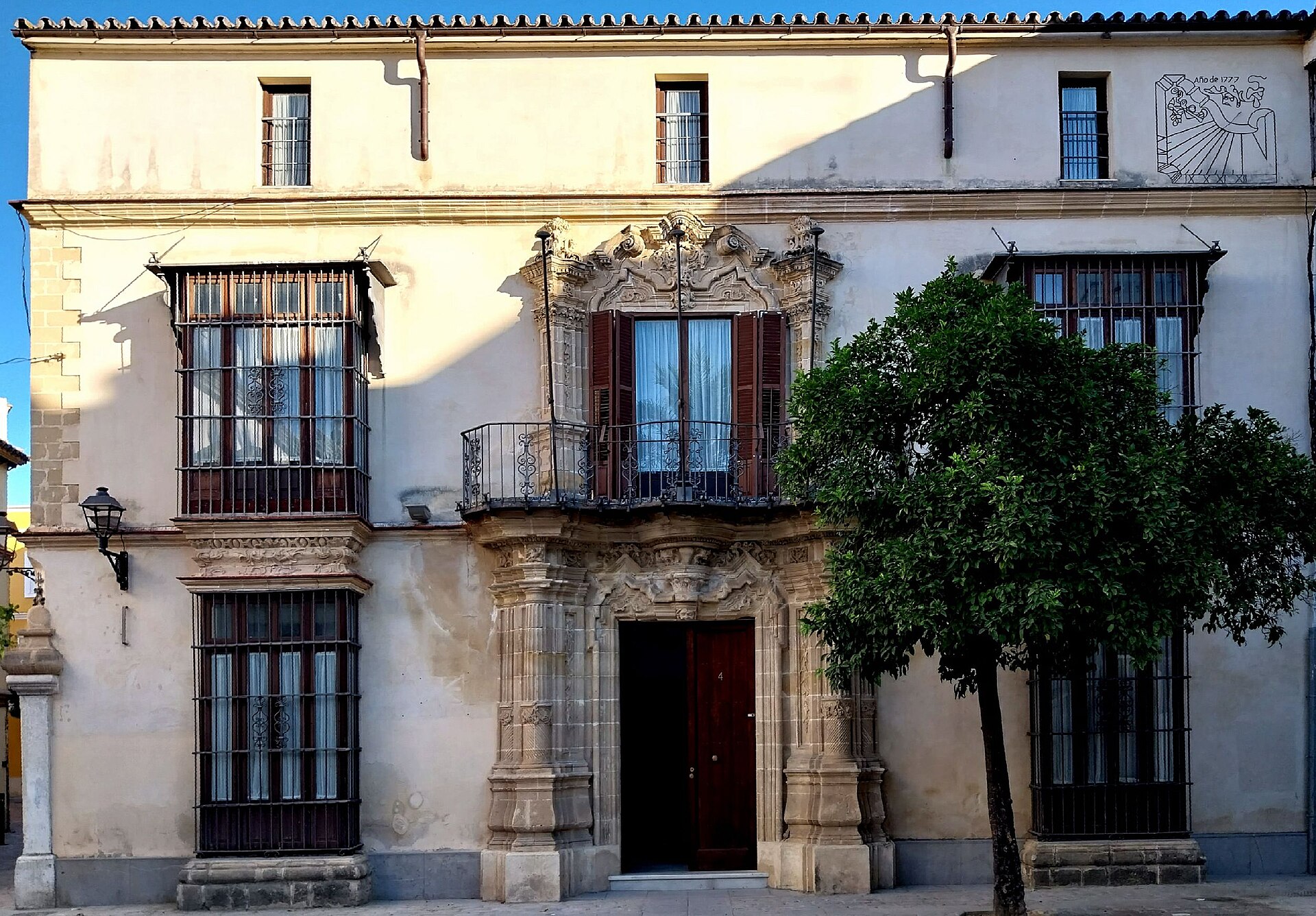
Palacio Domecq is one of the finest historic mansions in Jerez de la Frontera, widely regarded as the best surviving example of 18th-century Jerez Baroque architecture. Standing in the heart of the old town, the palace has been linked for over a century and a half to the Domecq family, one of the most famous names in the sherry wine business.
Where does the palace's history begin?
The story starts in 1773, when the Marquis of Montaña, Antonio Cabezas de Aranda y Guzmán, asked the city council for permission to build his residence on the plain of San Sebastián. Permission was granted in 1776, construction began that same year, and the building was completed in 1778. The design is generally attributed to the Sevillian Baroque architect Antonio Matías de Figueroa, although some historians credit Pedro de Cos with the plans instead.
The Marquis enjoyed his new home for only seven years before his death in 1785. Following his last wishes, his widow handed the palace and part of the estate over to the collegiate chapter of Jerez, with rental income meant to fund the city's women's hospitals. After the 19th-century Mendizábal disentailment, the building passed back into private hands, and in 1855 it was bought by Juan Pedro Domecq Lembeye — the moment the palace became permanently tied to one of the region's most important winemaking families.
What can you see inside?
The palace is a showcase of Jerez Baroque style: its façade, interior courtyards, and overall layout reflect the taste of Andalusian aristocracy at the close of the 18th century. In 2002, the building was declared a Bien de Interés Cultural (an asset of cultural interest), formally recognising its architectural and historical value to the city. The palace still belongs to the Domecq family circle and continues to host family occasions and select gatherings, which gives it a lived-in character rather than that of a static museum piece.
How do you get there and visit?
Palacio Domecq sits right in the historic centre of Jerez de la Frontera, within easy walking distance of major landmarks such as the Alcázar and the cathedral. The easiest way to reach it is on foot, as most of the city's key sights cluster within a few hundred metres of each other in the old town. Interior visits are typically arranged through guided tours or pre-purchased tickets, so it is worth checking current opening times and availability before arriving, since the palace occasionally closes for private events.
When is the best time to visit?
Jerez de la Frontera enjoys a mild Mediterranean climate, but the most comfortable months for sightseeing are spring (March to May) and early autumn (September to October), when temperatures are moderate and the summer heat has eased. These seasons also pair well with visits to the nearby sherry bodegas, an industry inseparable from the Domecq family's own history.
Frequently Asked Questions
What is Palacio Domecq? It is an 18th-century Baroque palace in Jerez de la Frontera, connected since 1855 to the Domecq family, renowned sherry producers.
Who built the palace? It was commissioned by the Marquis of Montaña and built between 1776 and 1778, with the design attributed to architect Antonio Matías de Figueroa.
Can visitors tour the palace? Yes, the interior can be visited through organised tours — it's best to confirm current hours and availability before your trip.
Why is the palace historically significant? It is considered the finest example of 18th-century Jerez Baroque architecture and was declared a site of cultural interest in 2002.
Nearby places

Earn badges for the places you visit
Download NextOnTrip, discover new places and check off your trails.