About this place
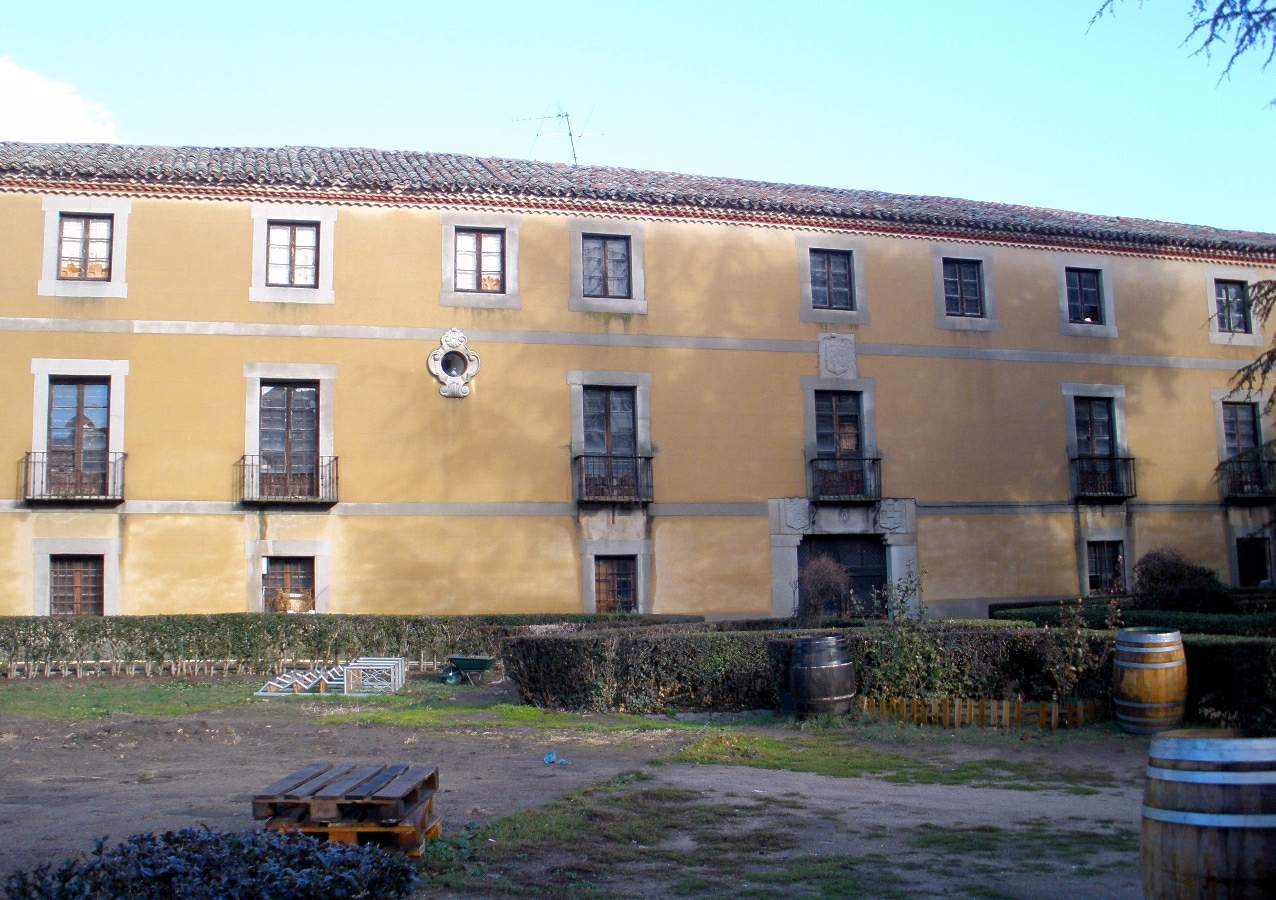
Palacio de los Águila is a Renaissance-era city palace standing inside the walled old town of Ávila, in Spain's Castile and León region.
What is this place?
The building went up in the 16th century, around 1540, commissioned by Miguel del Águila and his wife Sancha de Arellano — the couple whose family name the palace still carries. Its architectural style is linked to the same workshop responsible for the nearby Palace of Viceroy Blasco Núñez Vela, suggesting both projects came out of a shared circle of builders. The floor plan is roughly square, with the main facade facing directly onto the street and a quadrangular courtyard tucked inside — a layout typical of noble residences in Ávila during that period.
What will you see?
The exterior walls combine dressed granite ashlar blocks with sections of rougher masonry. The showpiece is the Renaissance entrance portal: two columns support a crowning section decorated with the coats of arms of the Águila and Guzmán families, an immediate visual signal of who commissioned the building and where their status came from. The interior, including the courtyard, remains partly closed to visitors while restoration work continues, but the exterior volume and the portal can be admired from the street year-round.
The palace carries Spain's highest tier of heritage protection. It was declared a national historic-artistic monument on 16 October 1969, a decision published in the official state gazette (BOE) the following month. In 1991 it was additionally listed as a Bien de Interés Cultural (Asset of Cultural Interest), which secures its full legal protection today.
How do you get there?
Palacio de los Águila sits in Ávila's historic center, within the line of the city walls, so it's an easy walk from anywhere in the old town, including the cathedral and the main square. Ávila lies roughly 110 km northwest of Madrid and is well connected by train and long-distance bus, making it a comfortable day trip from the Spanish capital.
When should you visit?
Because the building is currently undergoing a major restoration project — it is being adapted to eventually house the Museum of Ávila and an extension of Madrid's Prado (the "Prado Extendido") — it's worth checking the current status of the works and any interior opening hours before planning a visit. The old town itself is at its best in spring and autumn, when temperatures are milder than the hot Castilian summer and the walls and palaces see fewer crowds than during peak season.
Investment in the first phase of the restoration has already topped 8 million euros, underlining the scale and long-term nature of the project — once finished, the palace is set to become one of the city's key cultural institutions.
Frequently Asked Questions
Who built Palacio de los Águila? It was commissioned by Miguel del Águila and his wife Sancha de Arellano in the 16th century, around 1540.
Can you visit the inside of the palace? The building is undergoing adaptation work for its future role as the Museum of Ávila and a Prado extension, so interior access can be limited — check current visiting information before you go.
What is the palace's most distinctive feature? Its Renaissance entrance portal, framed by two columns and topped with the coats of arms of the Águila and Guzmán families.
Is the palace a protected monument? Yes, it has been a national historic-artistic monument since 1969 and has also been listed as a Bien de Interés Cultural since 1991.
Nearby places

Earn badges for the places you visit
Download NextOnTrip, discover new places and check off your trails.