About this place
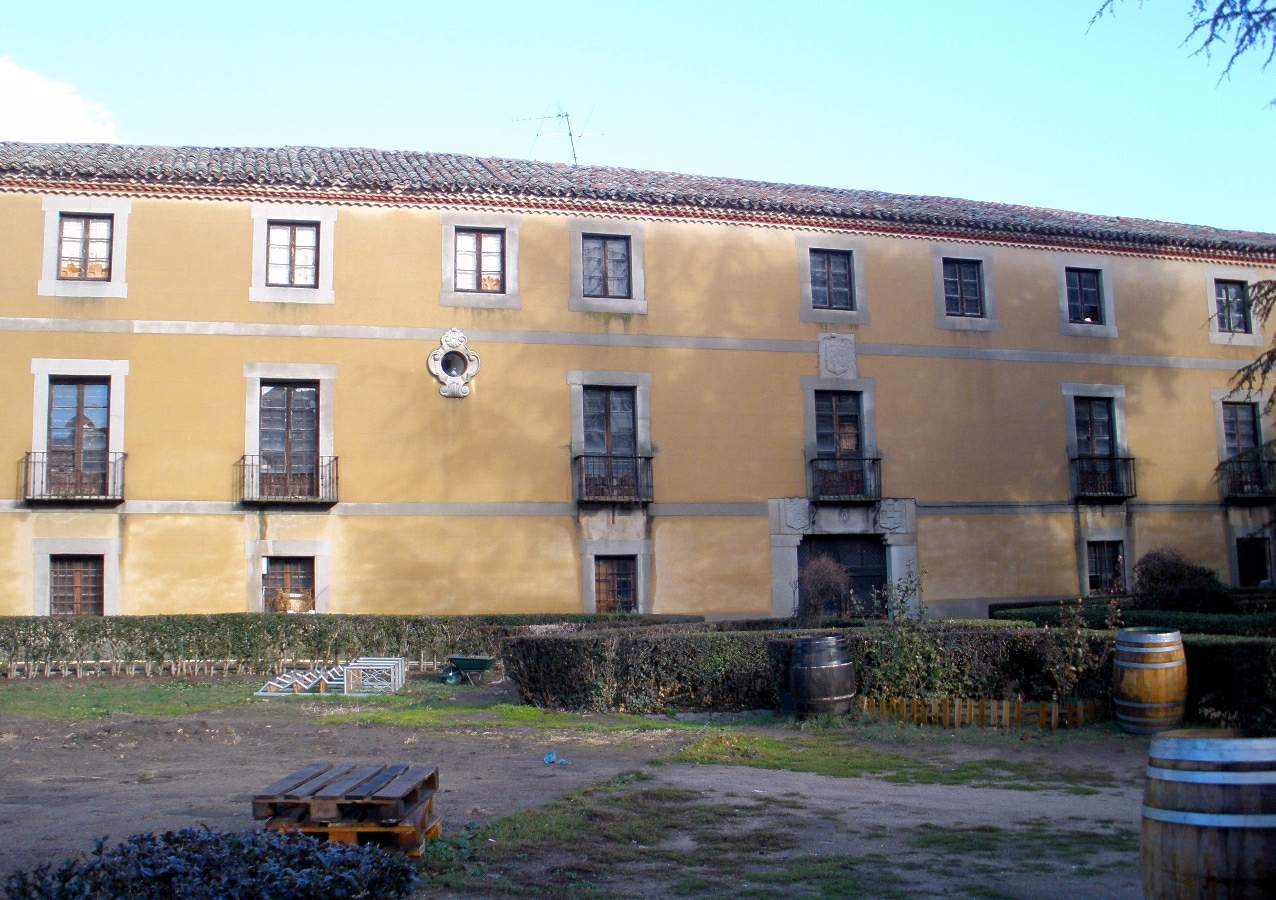
Palacio de Bracamonte is a Renaissance-era palace in Ávila, built directly into the line of the city's medieval defensive walls. Also known as Palacio de Santa Cruz, it belonged for centuries to the Dávila-Bracamonte family, one of the most prominent noble lineages of Castile, and remains one of the most interesting surviving examples of aristocratic architecture in the city.
Where did this palace come from?
The first building on this site was raised in the 15th century by Álvaro Dávila, Marshal of Castile. That early structure had a defensive purpose, forming part of the fortifications guarding one of the gates in Ávila's city walls, to which it was physically attached. At the start of the 16th century, descendants of Álvaro Dávila and Juana de Bracamonte rebuilt the family residence on the site of the old medieval house, giving it the form of a palace rather than a fortress. Most of what visitors see today dates from this rebuilding.
The 17th century brought hard times for the palace. As the nobility drifted toward the royal court, the building fell into gradual neglect and ruin. It wasn't until 1898 that Francisco de Santa Cruz restored the palace, saving it from further decay — which is how it came to carry its second name, Palacio de Santa Cruz.
What is there to see?
The heart of the palace is a porticoed courtyard with a double gallery, preserved from the 16th-century rebuilding. The lower level rests on Tuscan-Doric columns, simple and well-proportioned. The upper gallery is far more ornate: its parapet is decorated with Gothic geometric patterns and the coats of arms of Ávila's leading noble families. This heraldic decoration is more than ornament — it works almost like a family tree of the city's aristocracy, recording the alliances and connections between its ruling lineages, which makes it especially rewarding for anyone interested in local noble history.
The building's structure, tightly bound to the city walls, is a reminder of an era when private residences also served a military purpose. Walking along Ávila's walls, it's easy to see how closely residential architecture and fortification were intertwined here.
How do you get there, and when should you visit?
The palace sits within Ávila's old town, right next to the city walls — one of the best-preserved medieval fortification systems in Europe. The historic center is best explored on foot, since most of its monuments are packed into a small area inside the walls. The building currently houses regional administrative offices for the Castilla y León culture department, so interior access may be limited; it's worth checking locally before planning a visit inside.
The best time to visit is spring or early autumn, when temperatures in Ávila are milder than in the height of summer and the city sees fewer crowds. Ávila sits at over 1,100 meters above sea level, so evenings can be cool even in summer — pack something warm.
Frequently Asked Questions
Can you go inside the Palacio de Bracamonte? The building currently serves administrative functions, so interior access may be limited to office hours and isn't always open to visitors. The facade and surrounding area can be viewed freely at any time.
Why does the palace have two names? The original name, Palacio de Bracamonte, comes from the family that built and rebuilt it. The second name, Palacio de Santa Cruz, honors Francisco de Santa Cruz, who restored the building in the late 19th century after years of neglect.
What's the connection between the palace and Ávila's walls? The building was constructed as part of the city's defenses, with its structure partly integrated into the walls to help guard one of the gates. It's a rare example of architecture that combined residential and military functions.
How long does it take to see the area around the palace? The palace itself can be viewed from outside in a few minutes, but it's worth combining the visit with a walk along the city walls, which typically takes one to two hours depending on your pace.
Nearby places

Earn badges for the places you visit
Download NextOnTrip, discover new places and check off your trails.