About this place
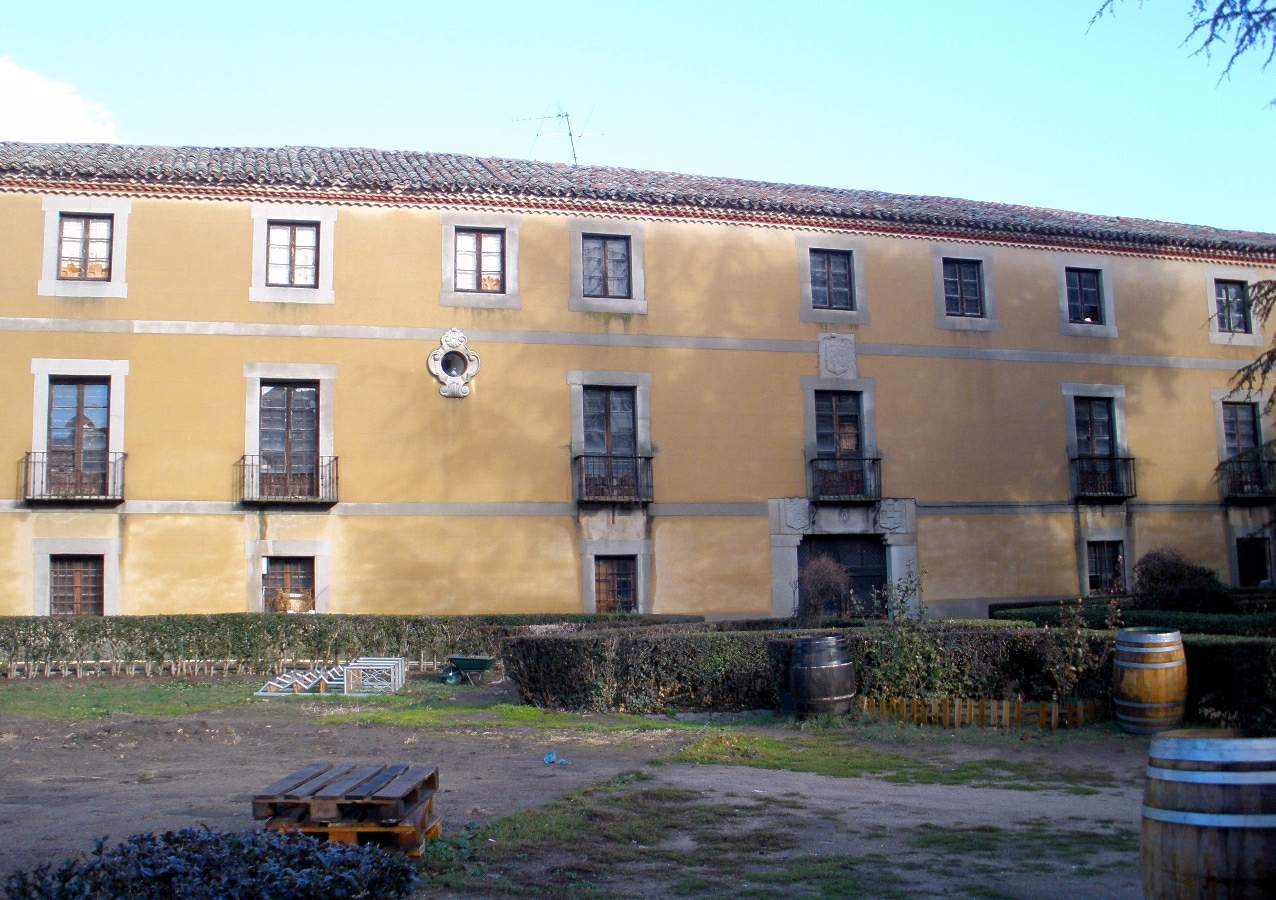
Palacio de los Verdugo is a fortified Renaissance palace standing next to the city walls of Ávila, one of Spain's best-preserved medieval towns. Its blend of a defensive, austere silhouette with refined Plateresque detailing makes it one of the city's most distinctive civil buildings.
Who built it, and why?
Construction began in 1531, commissioned by Suero del Águila, a member of one of Ávila's leading noble families. The 16th century was a prosperous era for the region: a thriving wool trade combined with a wave of church and convent building — fuelled by the devotion surrounding Saint Teresa of Ávila and Saint John of the Cross — encouraged local nobility to invest in grand residences that reflected their status. Palacio de los Verdugo was built precisely in that spirit, as a statement of the del Águila family's wealth and standing.
Its history of ownership, though, took several turns. Once the del Águila line died out, the palace passed in 1606 to the Order of Saint Jerome (the Jerónimos), who converted it into a convent house. In 1616 it was exchanged with the Society of Jesus for the College of San Gil, and two years later, in April 1618, the Jesuits transferred it to Diego Dávila. From then on it remained in the hands of successive generations — the Verdugo-Guillamas, Fernández Campomanes, Hurtado, and finally the Sánchez-Albornoz and Muñoz families — until 1990. It's this long association with the Verdugo family that gave the building the name it carries today.
What will you see there?
The façade is built in the Plateresque style, but unlike the ornately decorated examples typical of that movement, it stays deliberately plain and markedly defensive in character. That's obvious at first glance: the lower floors are almost entirely windowless, a design choice meant to protect residents from both attack and prying eyes from the street. Two solid towers flank the façade, giving the whole structure a silhouette closer to a fortress than a conventional noble residence.
This isn't accidental — the palace stands within Ávila's city walls, in a town whose identity has been shaped for centuries by its fortifications. The building's stern profile fits naturally into that setting, illustrating an architecture where residential comfort, social display, and military function all coexist in a single structure.
In 1976, Palacio de los Verdugo was declared a Monumento Nacional (National Monument), formally recognising its historical and architectural value. Today it houses the headquarters of the Grupo Ciudades Patrimonio de la Humanidad (the association of Spanish UNESCO World Heritage cities), along with the Municipal Archive and the city's heritage and tourism department.
How to get there, and when to visit?
The palace sits within Ávila's walled old town, so the easiest way to see it is on foot as part of a walk through the historic centre — it's within easy reach of the cathedral and the other main sights inside the walls. Ávila is under an hour from Madrid by train or car, which makes it a popular day-trip destination.
Spring and early autumn are the best times to visit: temperatures are milder than in the hot summer months, and the town is noticeably less crowded than at peak season. Because the building now serves administrative and archival functions, it's worth checking locally or with the tourist information office whether interior visits are possible on the day — the façade and the surrounding walls, however, can be admired at any time.
Frequently Asked Questions
When was Palacio de los Verdugo built? Construction began in 1531, commissioned by Suero del Águila.
Where does the palace's name come from? From the Verdugo-Guillamas family, later owners who, along with their descendants, held the building until 1990.
Can visitors go inside? The interior now houses administrative offices, including the Municipal Archive, so access may be limited — it's best to check locally before your visit.
What stands out architecturally about the palace? Its austere Plateresque façade with almost no windows on the lower floors, plus two massive flanking towers that give the building a distinctly defensive character.
Nearby places

Earn badges for the places you visit
Download NextOnTrip, discover new places and check off your trails.