About this place
The Palace of the Marquis of Velada in Ávila is a Renaissance palace standing right beside the cathedral, inside the walled old town of Castile and León.
What can you see?
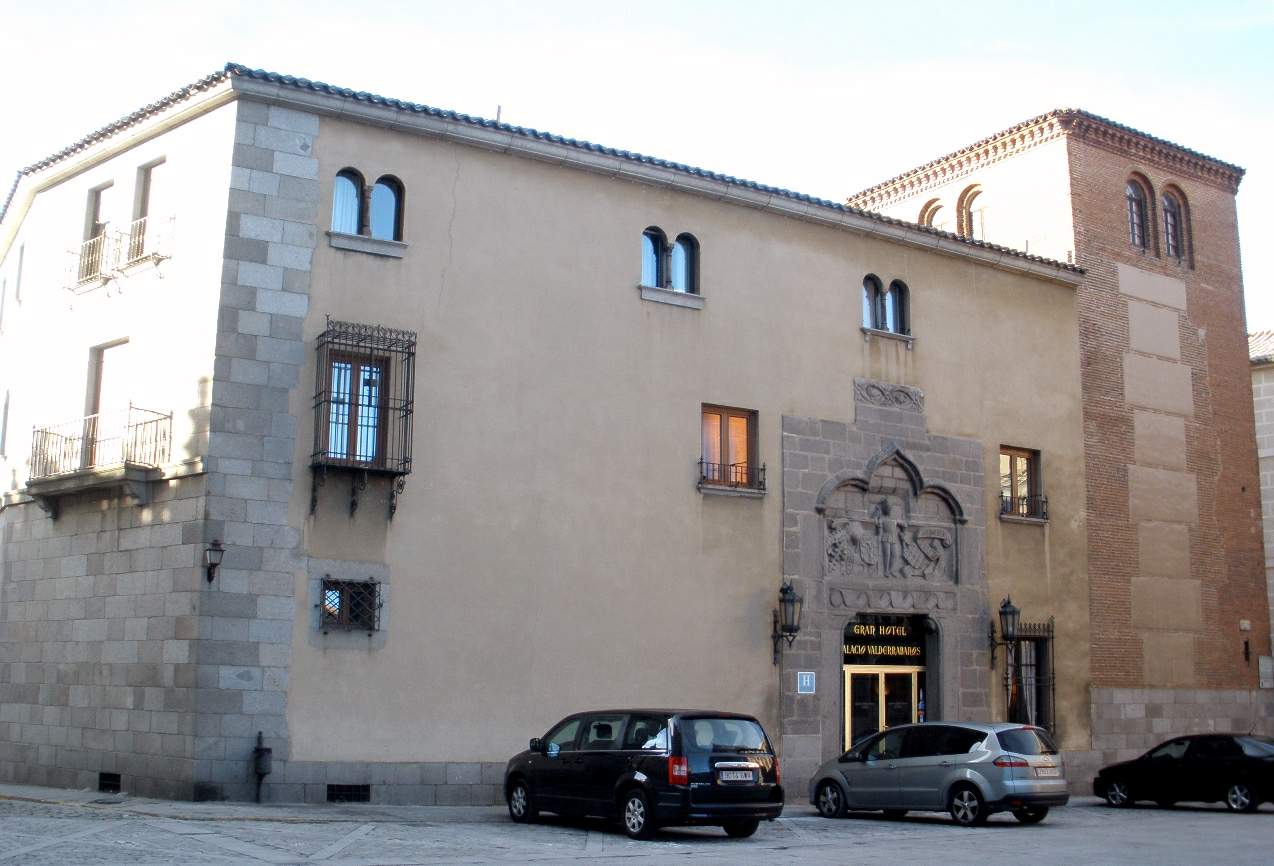
The façade is marked by a stone portal crowned with a semicircular arch, a hallmark of Spanish Renaissance civil architecture. Behind it lies an inner courtyard built in the same style, with arcades and carved stone detailing typical of the noble residences of 16th-century Castile. On the side facing the cathedral, a slender tower rises as one of the building's most recognizable features; it originally carried battlements, which have since disappeared. Standing directly next to the cathedral, the palace and the church together form one of the most striking architectural groupings in the historic centre.
What is the history behind it?
The palace was built in the first half of the 16th century, on a plot that had previously belonged to a community of Poor Clare nuns known locally as "las Gordillas." The nuns sold the property, by then in a ruinous state, to Teresa Carrillo, niece of the Bishop of Ávila. Teresa married Gómez Dávila, lord of Velada and La Colilla, whom King Philip II named the first Marquis of Velada in a ceremony held in Brussels on 30 October 1557. During Gómez Dávila's lifetime, the palace hosted Emperor Charles V, his wife Empress Isabel, and their son Prince Philip, who would later reign as Philip II. The residence remained linked to the Marquises of Velada, a family that had long held the hereditary role of royal stewards.
On 18 November 1992, the palace was declared a Bien de Interés Cultural, Spain's highest heritage protection category, under the monument classification. Three years later, in 1995, following a careful restoration that preserved the building's historic character, the Hotel Palacio de los Velada opened inside it — a use it retains today, bridging the monument's past with the life of the modern city.
How do you get there?
Ávila sits in the region of Castile and León, within relatively easy reach of Madrid by both rail and road. The palace stands right in the heart of the old town, inside the medieval city walls, so the most convenient way to reach it is on foot from the cathedral or the main square. Ávila is also well connected to Salamanca and Segovia, making it a natural stop on a wider tour of Castile.
When should you visit?
The old town of Ávila, with its walls and the cathedral neighbouring the palace, is best explored outside the height of summer, when spring and autumn bring milder temperatures for walking the stone streets. It is worth keeping in mind that Ávila sits on a high plateau, so winters here tend to be noticeably colder than in many other cities of the region.
Frequently Asked Questions
Can the Palace of the Marquis of Velada be visited? The building now operates as a hotel, opened after a restoration carried out in the 1990s, so its Renaissance courtyard and façade remain accessible to visitors staying there.
Where does the palace's name come from? The name comes from the title of Marquis of Velada, granted to Gómez Dávila by Philip II in 1557 — since then the residence has carried the name of the Velada family.
Does the palace have any royal connections? Yes — during the time of its first owner, it hosted Emperor Charles V, Empress Isabel, and Prince Philip, later King Philip II.
What is located near the palace? The palace stands directly next to Ávila Cathedral, within the medieval city walls, placing it at the heart of one of the most important corners of the historic centre.
Nearby places

Earn badges for the places you visit
Download NextOnTrip, discover new places and check off your trails.