About this place
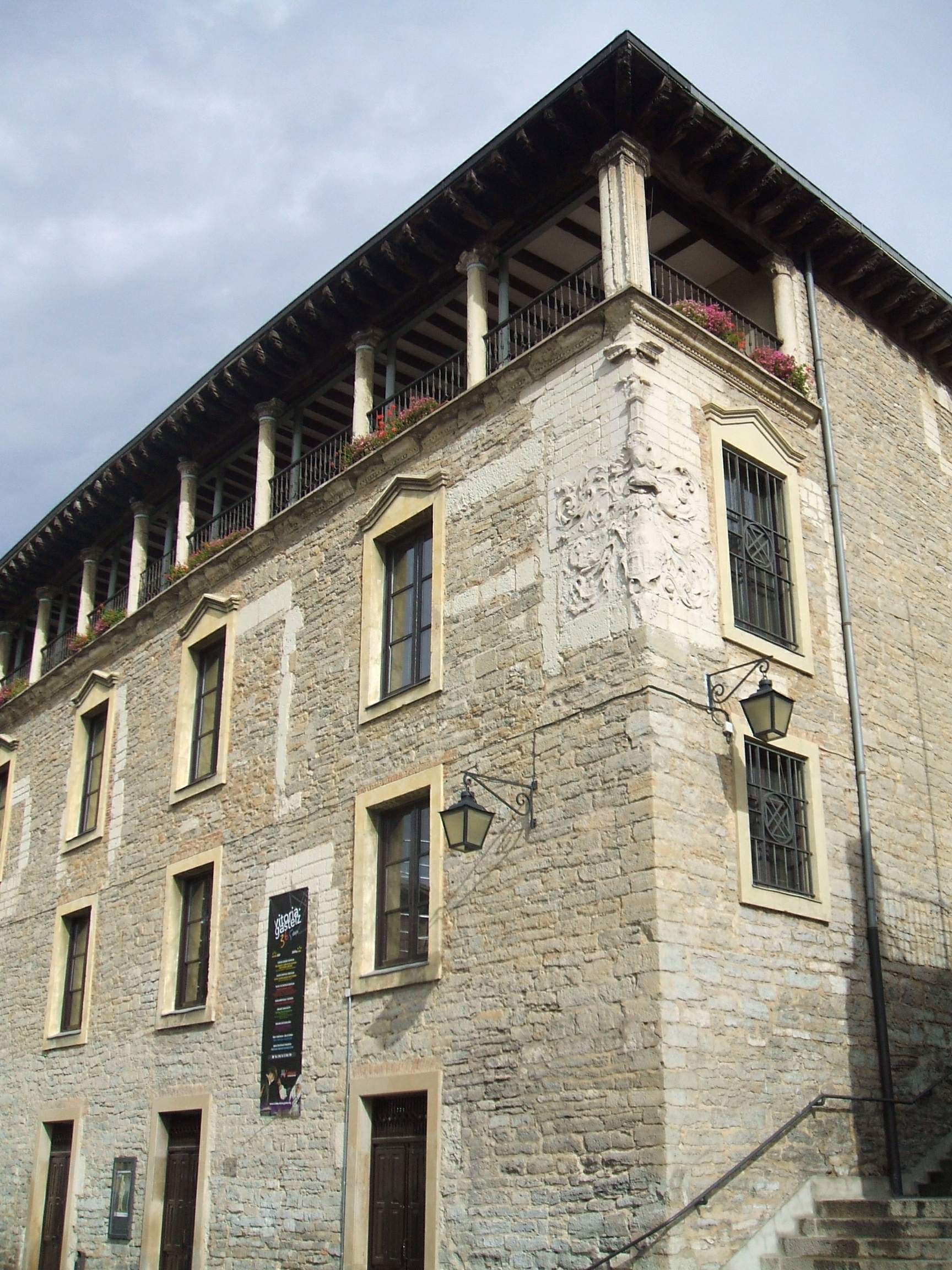
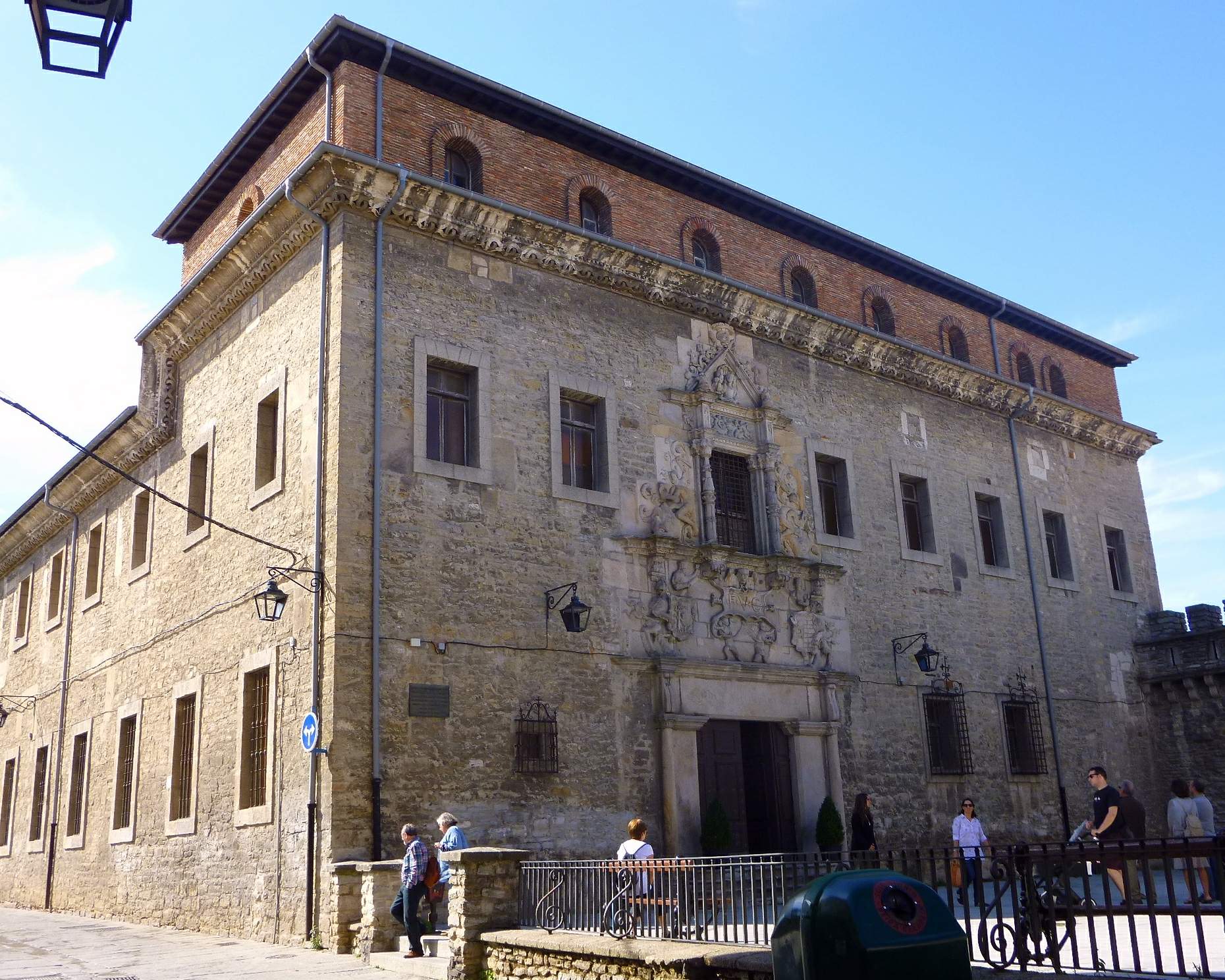
The Palace of Villa-Suso is a Renaissance mansion standing at the heart of the old town of Vitoria-Gasteiz, one of the most striking historic buildings in the Basque capital of Alava.
Where does the name come from and what is its history?
The palace was commissioned in 1539 by Martín de Salinas, ambassador at the court of Emperor Charles V representing the interests of Infante Ferdinand of Habsburg. City authorities were initially reluctant to allow a private residence to be built so close to the town walls, fearing it would weaken the city's defenses. The ambassador eventually won approval on one condition: the main entrance had to sit above street level. That requirement is the origin of the name "Villasuso" — meaning "house above." The building itself rises directly over the old defensive wall of Vitoria-Gasteiz, sections of which are still visible inside today.
What can you see inside?
The palace's most distinctive feature is its unusual U-shaped floor plan — architects had to work around the line of the town wall the building was set against, as well as the sloping, uneven terrain of the old quarter. Inside hangs a prized 16th-century Flemish tapestry from the Brussels school, depicting Aeneas fleeing burning Troy with his family. During renovation work in the 1980s, builders uncovered an old burial site with a tombstone, which gave rise to a local legend about a ghost said to haunt the palace ever since.
How do you get there and when should you visit?
The palace stands on Plaza del Machete, right in the middle of the Casco Viejo (Alde Zaharra), Vitoria-Gasteiz's historic quarter, between the churches of San Miguel and San Vicente. It's an easy stop on foot while exploring the almond-shaped medieval center. Today the building serves as a conference and congress venue and houses the city's Culture Department, so access to the interior can vary depending on scheduled events. Guided visits last around 25 minutes and require a ticket; they run mainly in summer, during Easter week, and on long public holiday weekends. The city council has also recently launched an immersive visiting experience combining virtual and augmented reality, holograms, and interactive games, bringing the palace's history to life through a modern multimedia format.
Frequently asked questions
How long does a visit to the Palace of Villa-Suso take? A standard guided tour lasts about 25 minutes. A newer immersive version of the visit, featuring virtual reality and holograms, is also available.
When is the best time to plan a visit? Visits mainly run in summer, during Easter week, and on long holiday weekends — check the current schedule before you arrive, since the building also functions as a congress venue.
Where does the name Villasuso come from? It refers to the condition set by city authorities during construction: the main entrance had to be placed above street level, giving rise to "Villasuso," meaning "house above."
What is the palace's most notable interior feature? Its centerpiece is a 16th-century Flemish tapestry from the Brussels school depicting the escape of Aeneas from Troy, while sections of Vitoria-Gasteiz's old defensive wall remain embedded in the building's structure.
Nearby places

Earn badges for the places you visit
Download NextOnTrip, discover new places and check off your trails.