About this place
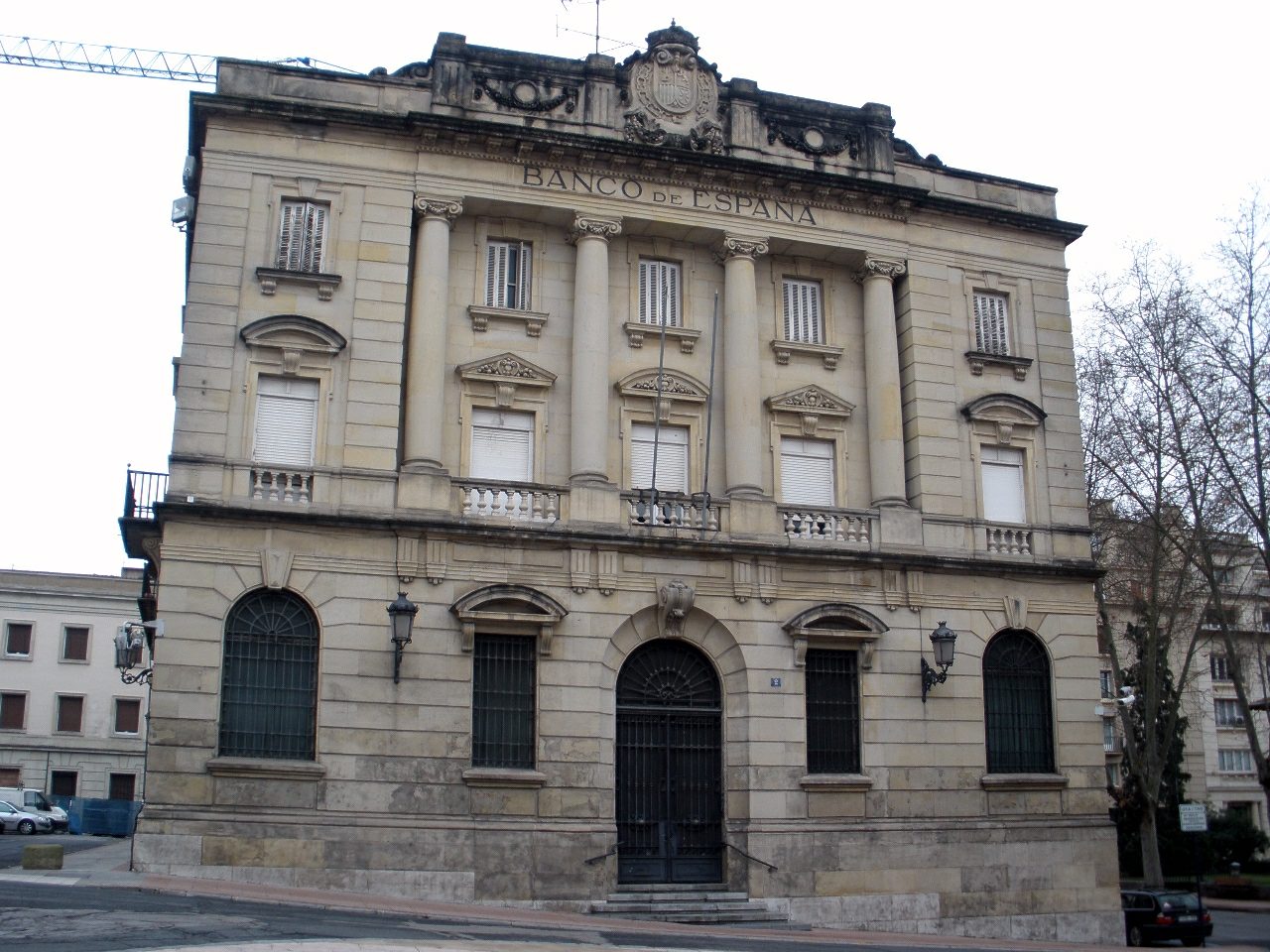
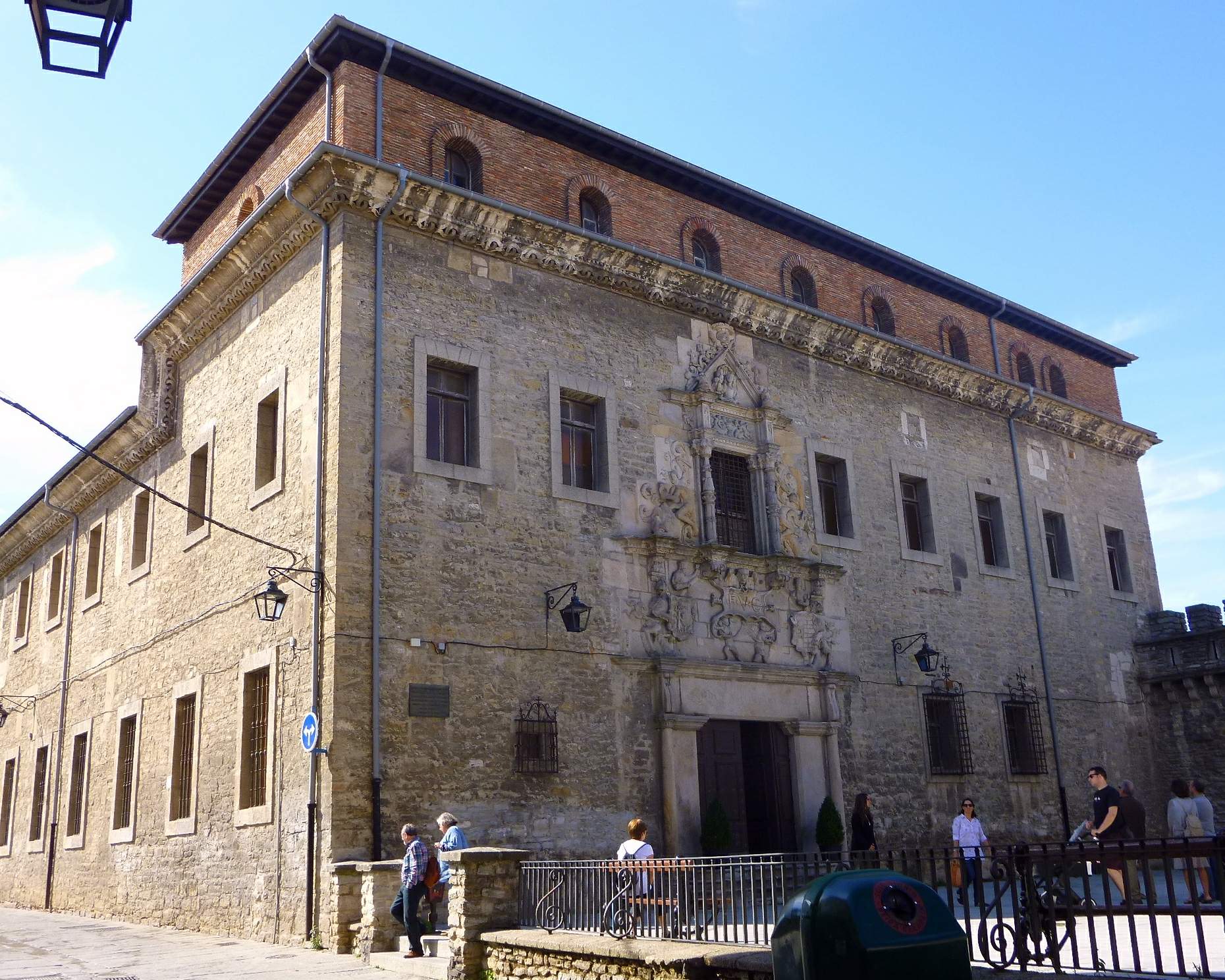
The Bank of Spain building stands in the heart of Vitoria-Gasteiz, capital of the Basque Country, a former banking hall that has quietly become one of the city's most meaningful sites of memory.
How do you get there?
The building sits right in the compact historic centre of Vitoria-Gasteiz, so walking is by far the easiest way to reach it — the old town is small, well signposted, and built for pedestrians. The city has train and bus connections to Bilbao, San Sebastián and Madrid, and from the main station it's only a short walk to the former bank. Drivers will find parking around the edges of the old town, from which the building is reachable within a few minutes on foot.
What will you see?
The building was designed by architect José Yárnoz Larrosa, who worked on several Bank of Spain branches across the country in a similar style: solid, dignified early-20th-century banking architecture built to project stability as much as to serve daily operations. Behind the imposing façade lies a layout shaped by the practical needs of a working bank — vaults and strongboxes in the basement, and a central courtyard that once organised the flow of customers being served.
It was in this very courtyard that many residents of Vitoria-Gasteiz queued at the turn of 2001 and 2002 to exchange their pesetas for euros during the currency changeover — for a good number of locals, this is the last vivid memory tied to the building's life as an active bank. Once its banking operations ended, the building stood empty for roughly a decade while the city and national authorities looked for a new purpose for it.
Eventually, an initiative led by Spain's Interior Ministry together with the city's local government converted the interior into a memorial dedicated to victims of terrorism, principally those affected by ETA and by the so-called GAL (Grupos Antiterroristas de Liberación). The renovation reshaped the inside almost entirely while carefully preserving the historic façade, so from the street the building still reads as the old bank it once was, even though its interior now serves a very different, reflective purpose.
For visitors, this makes for an unusual combination: the functional architecture of a former financial institution now housing a memorial space that addresses, calmly and without spectacle, one of the most difficult chapters in recent Spanish and Basque history.
When should you visit?
Because the building now functions as a memorial rather than a conventional tourist attraction, it's worth planning a visit for a quieter part of the day, when there's time to take it in properly. Vitoria-Gasteiz is pleasant to explore year-round, though spring and early autumn bring the most comfortable weather for walking the old town and combining a stop here with the surrounding historic sites. Check current opening hours and access rules before you go, since as a memorial site its schedule can differ from that of typical tourist attractions.
Frequently Asked Questions
What was this building originally used for? It served as a local branch of the Bank of Spain, designed by architect José Yárnoz Larrosa, functioning as a working bank for most of the 20th century.
Why does this building matter to the city's history? It's where residents of Vitoria-Gasteiz lined up to exchange pesetas for euros during the currency changeover, and after standing empty for years it became a memorial to victims of terrorism.
What is the building used for today? Its interior has been converted into a memorial dedicated to the victims of ETA and GAL, while the historic bank façade has been preserved.
Can visitors go inside? As a memorial site, it is generally open to visitors, but it's best to check current hours and access rules locally or with the tourist information office before visiting.
Nearby places

Earn badges for the places you visit
Download NextOnTrip, discover new places and check off your trails.