About this place
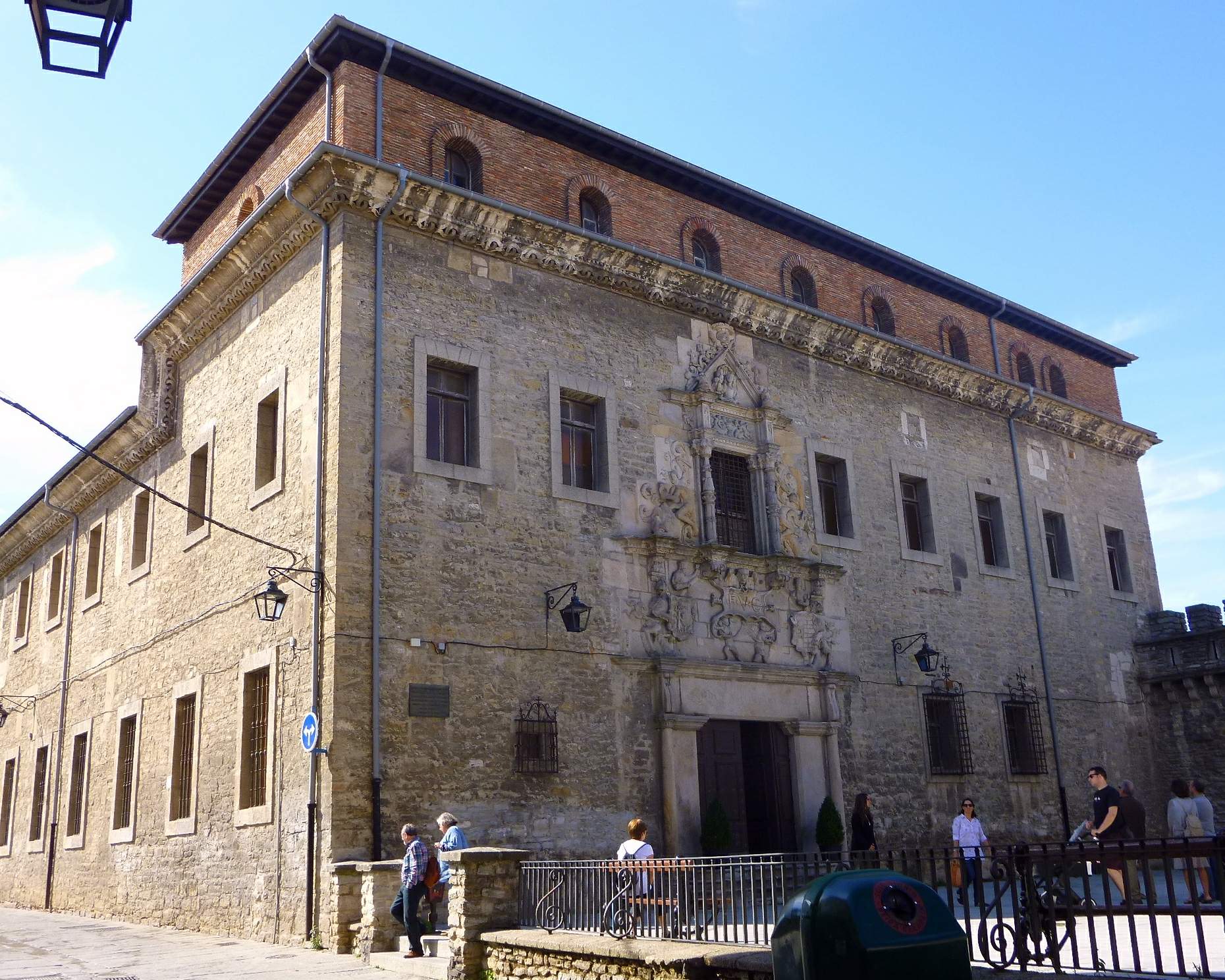
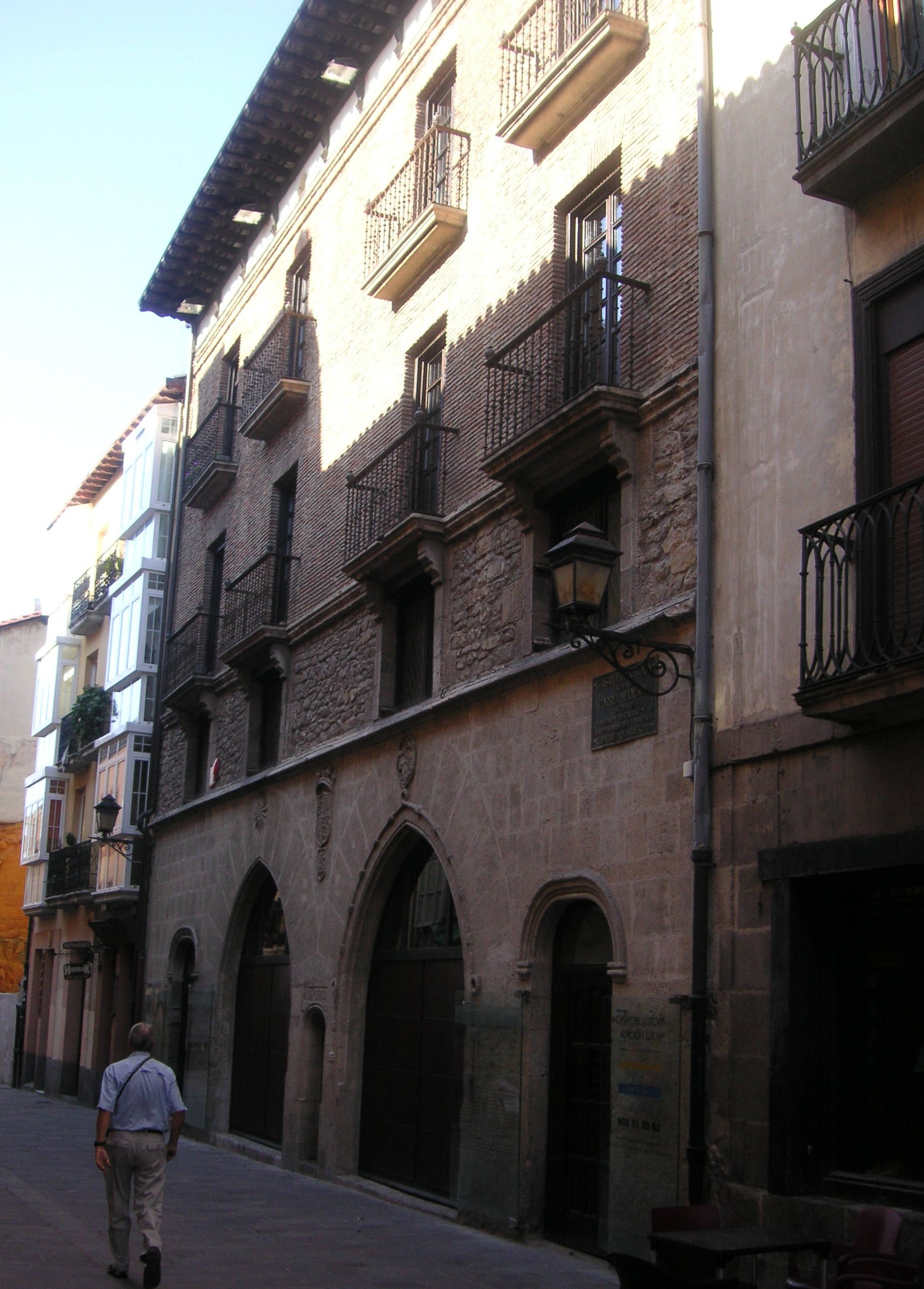
Palacio Eskoriaza-Eskibel is a Renaissance-era townhouse standing in the historic center of Vitoria-Gasteiz, perched on the Villa Suso hill directly above the old defensive walls.
Who built it, and why did they never live there?
Construction was commissioned in the mid-16th century by Fernán López de Eskoriaza, physician to England's King Henry VIII and later to Emperor Charles V, together with his wife Victoria de Anda y Eskibel. In December 1539 the couple petitioned the city council for a plot chosen deliberately to rise straight out of the old town walls — a site that itself signaled their standing in the city. Fate intervened before the work was finished: both husband and wife died in 1541. Their will explicitly instructed that construction be completed, yet neither of them ever set foot inside the finished house. From its very origin, the palace has stood as a monument to ambitions its founders never got to enjoy in person.
What is there to see inside?
The building's centerpiece is a square courtyard framed by a two-tier arcaded gallery running along three of its sides, connected by a formal staircase. The column capitals and medallions decorating the gallery rank among the richest examples of Renaissance ornament in the Basque Country, blending plant motifs with heraldic detail. On the street-facing side, a Plateresque doorway carries carved busts of the founders, Fernán and Victoria, still looking out over passersby much as they have for close to five centuries. The whole structure is built of dressed ashlar stone, giving it the restrained, sturdy elegance typical of Basque noble architecture of the period.
How do you get there, and when is the best time to visit?
The palace sits in the pedestrian heart of Vitoria-Gasteiz's old quarter, only a few minutes' walk from Santa María Cathedral and the main squares of the Casco Viejo, so no transport beyond a comfortable pair of shoes is needed. The building belongs to the city — the council took it over in 2010 — and it doesn't operate as a year-round attraction with fixed daily hours. Guided visits are arranged on an occasional basis, typically around long weekends, Holy Week, and summer, so it's worth checking the current schedule with the local tourism office before planning a trip. The interior is also opened at times for temporary exhibitions, including ones on regional history.
Who is this place for?
It suits travelers drawn to Renaissance architecture and the history of the city's merchant elite rather than visitors chasing a crowded must-see checklist. The palace's modest scale and lack of queues mean the courtyard can be taken in at a relaxed pace — a quality harder to find at the region's better-known landmarks.
Frequently asked questions
Is entry to the palace free? Access is through organized guided visits scheduled on set dates; check with the Vitoria-Gasteiz tourism office ahead of your trip for the current terms and any fees.
Is the palace open all year round? There are no fixed daily opening hours. Visits are arranged seasonally, mainly around long weekends, Easter week, and summer.
What's inside the courtyard? A two-tier arcaded gallery running along three sides of the courtyard, richly carved capitals and medallions, and a formal staircase linking the floors.
Is it worth combining with a walk through the old town? Yes — the palace stands within the Casco Viejo, close to Santa María Cathedral, making it a natural stop on a walk through the historic center.
Nearby places

Earn badges for the places you visit
Download NextOnTrip, discover new places and check off your trails.