About this place
Iglesia de San Nicolás de la Villa is one of the oldest parish churches in Córdoba, built shortly after the city's Christian conquest in 1236. It belongs to the group of so-called Fernandine churches — founded during the reign of Ferdinand III across the former Muslim city — and still preserves a clearly legible Gothic-Mudéjar layout dating back nearly eight centuries.
How do you get there?
The church stands in central Córdoba, within easy walking distance of the city's main historic landmarks, making it a natural stop on a walking tour of the old town. The surrounding streets are typical of Córdoba's historic core — narrow, partly shaded, and well signposted toward the major sights. The most convenient way to reach it is on foot from the city centre, combining the visit with other downtown attractions.
What will you see?
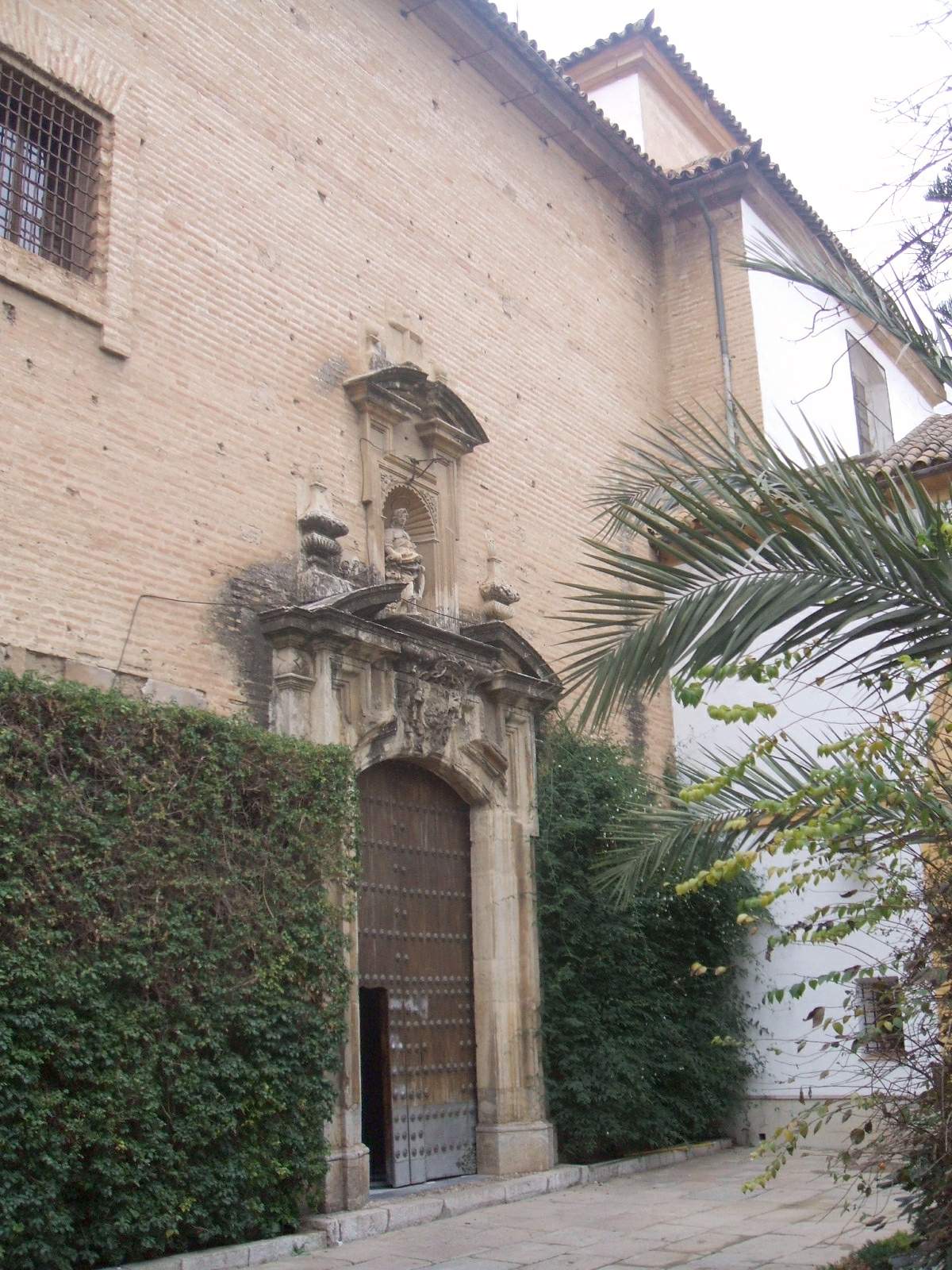
The building rests on an almost square floor plan of three naves without a transept, a layout typical of the church's earliest construction phase. The facade is dominated by a Renaissance-Mannerist main portal designed in the 16th century by Hernán Ruiz II, one of the leading architects of Andalusia at the time, also known for his work on Seville Cathedral and Córdoba's Mezquita.
The building's most distinctive feature is its tower, which has a strongly defensive, almost fortress-like character. Construction began during the reign of the Catholic Monarchs, and the tower was raised on the remains of a former Islamic minaret. Its polygonal shape makes it one of the finest towers among Córdoba's Fernandine churches, combining traces of Islamic defensive architecture with later Christian additions.
During the 17th and 18th centuries the church underwent significant alterations: the tower, the portals, and the roofs of both side naves were rebuilt, giving the whole a distinctly Baroque appearance. As a result of these successive layers of construction, the church today reads almost as a cross-section through Córdoba's architectural history — from medieval Mudéjar, through the Renaissance, to the Baroque.
When should you visit?
The interior is best visited in the morning or late afternoon, when light favourably catches the details of the facade and tower and the midday heat — typical of Córdoba's summers — has eased. Since it remains an active parish, it's worth checking current opening hours locally, as they follow the schedule of masses and services.
Why is this church worth seeing?
San Nicolás de la Villa is more than a place of worship — it is a living record of Córdoba's architectural transformation, from the Islamic period through the Christian reconquest to the modern era. Its tower, raised over a former minaret, is a tangible trace of that layered history, rarely preserved in such a legible form.
Frequently asked questions
When was the church of San Nicolás de la Villa built? Its foundations date to the period just after the conquest of Córdoba in 1236 — it belongs to the group of Fernandine churches built across the former Islamic city.
What is the church's most distinctive feature? Its polygonal, fortress-like tower, built during the reign of the Catholic Monarchs on the foundations of a former Islamic minaret.
Who designed the main portal? The Renaissance-Mannerist main portal was designed in the 16th century by the architect Hernán Ruiz II.
Has the church changed much over the centuries? Yes — during the 17th and 18th centuries the tower, portals, and side-nave roofs were rebuilt, giving the church its present Baroque appearance.
Nearby places
-

Iglesia de San Hipólito (Córdoba)
Kordoba
-
Iglesia de San Juan y Todos Los Santos
Kordoba
-
church of San Miguel
Kordoba
-
Colegio de Santa Catalina e Iglesia de San Salvador y Santo Domingo de Silos
Kordoba
-
Convento de San Rafael
Kordoba
-
Triunfo de San Rafael de la Plaza de la Compañía (Córdoba)
Kordoba
Earn badges for the places you visit
Download NextOnTrip, discover new places and check off your trails.