- Sacred Monuments
- Churches
Colegio de Santa Catalina e Iglesia de San Salvador y Santo Domingo de Silos
About this place
Colegio de Santa Catalina e Iglesia de San Salvador y Santo Domingo de Silos is a historic complex in the old town of Córdoba, Andalusia — a former Jesuit college paired with an imposing church, and one of the city's more overlooked landmarks for visitors who usually head straight for the Mezquita.
What is this place?
The complex was founded by the Jesuits in the mid-16th century, not long after Pope Paul III approved the Society of Jesus — this was in fact the order's first house anywhere in Andalusia. Construction of the college and its adjoining church ran from 1564 to 1588, repeatedly stalled by funding shortages, a common story for large religious foundations of the period. The result was a single complex combining two functions: teaching (the college) and worship (the church), reflecting the Jesuit model in which educating young people went hand in hand with the community's spiritual life.
What will you see inside?
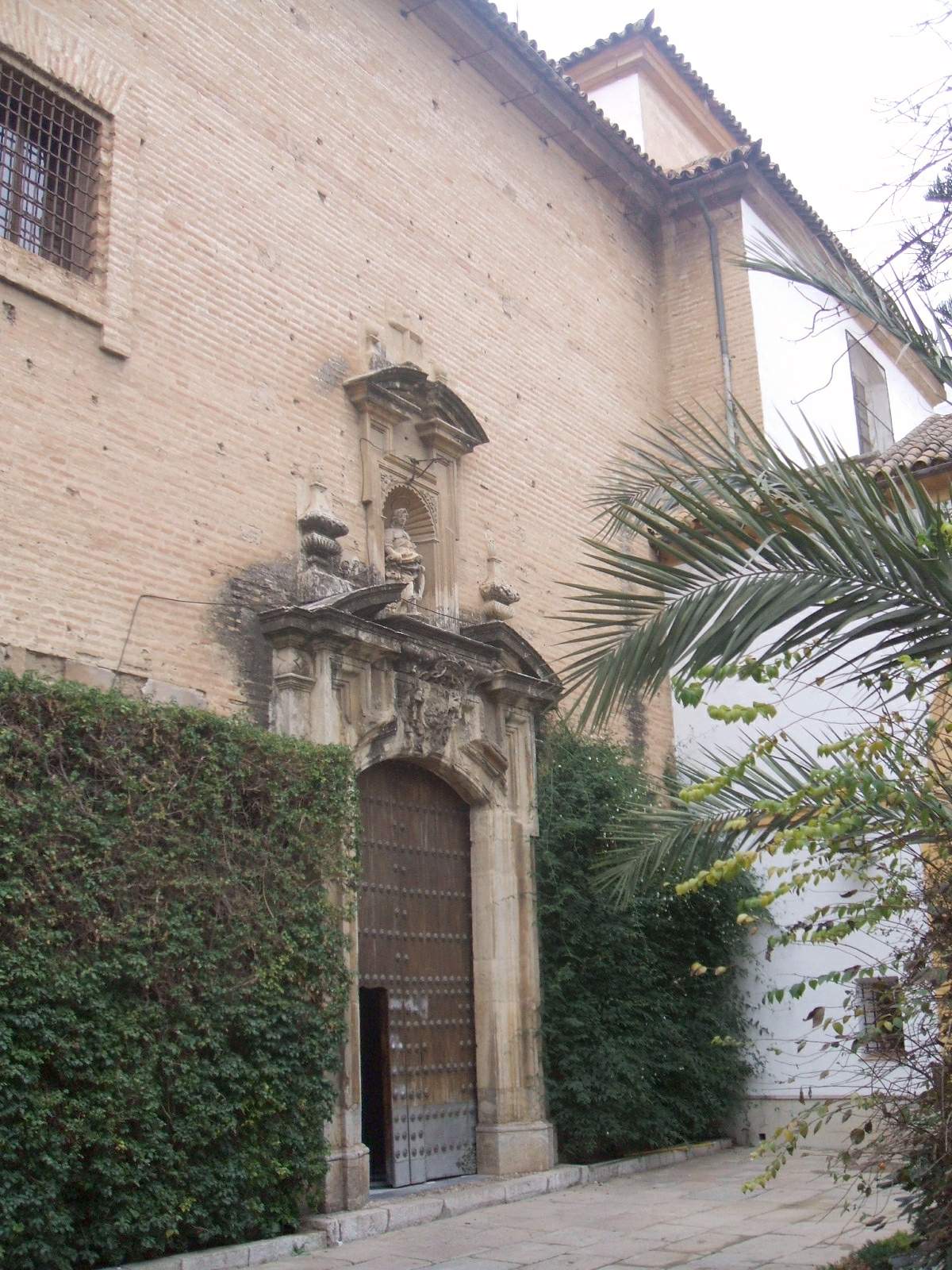
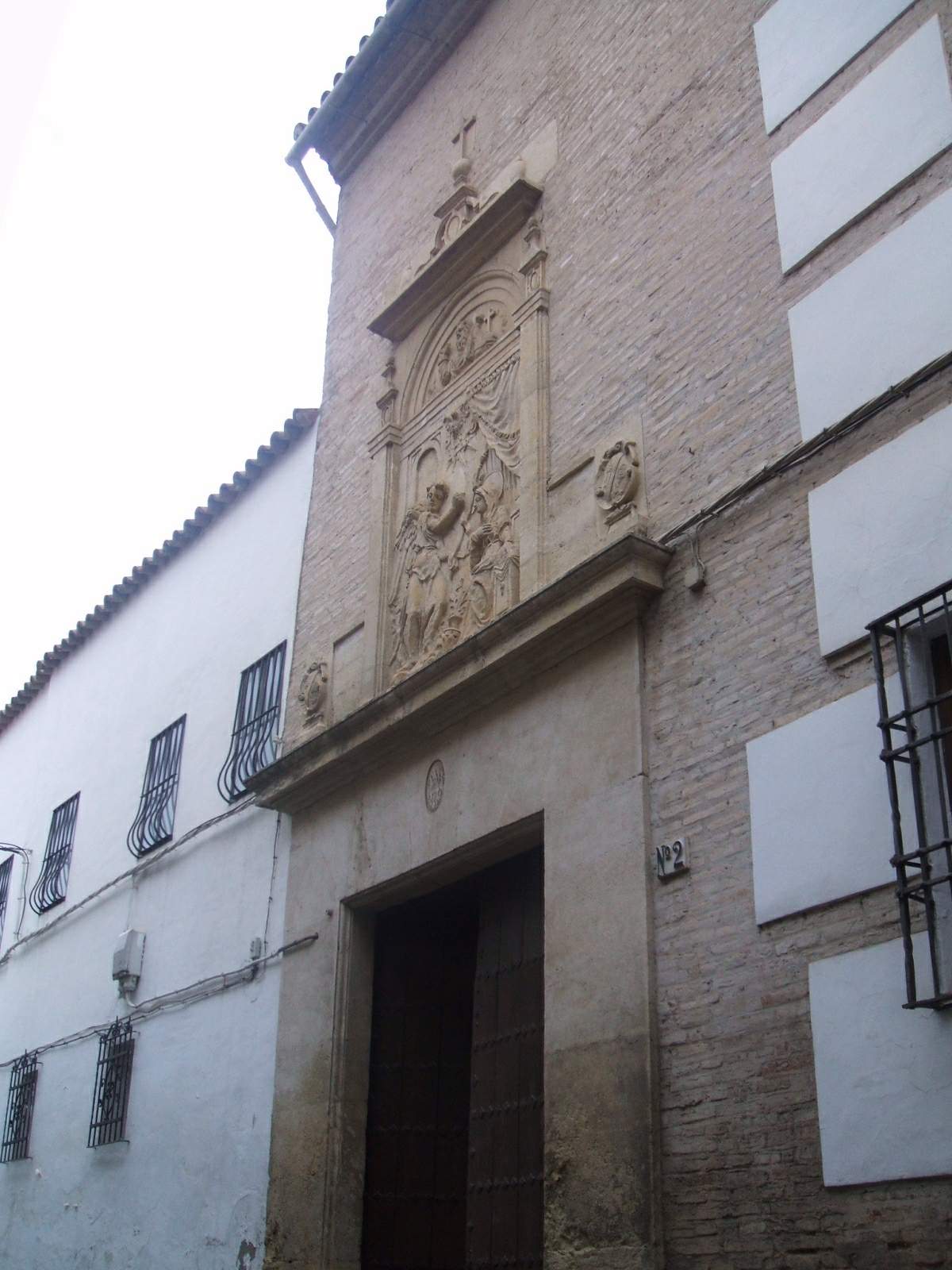
The church follows a Latin-cross floor plan, topped with a dome and lantern designed by the architect Hernán Ruiz II, whose work was completed around 1589. The main facade, a Mannerist design already shifting toward Baroque, was created by Francisco de Villalpando and finished in 1585 — it's worth pausing here, since it marks one of the more notable stylistic transitions in the region's religious architecture. Inside, the church holds artwork of real quality: paintings by Pablo de Céspedes, a Córdoba-born painter and scholar, and a sculpture by Duque Cornejo adorning the main altar. It's these details, more than the building's overall shape, that give the place its artistic weight.
What is the college's history?
The young Luis de Góngora, one of the most important poets of Spain's Golden Age, studied within these walls until he was fourteen — a nice detail for anyone interested in Spanish literature, since it shows how a provincial school could shape a figure who later became central to the country's culture. The complex's fortunes changed sharply in 1767, when the Jesuits were expelled from Spain by royal decree; the college closed and its property passed into other hands. Some years later, in 1782, Bishop Baltasar de Yusta y Navarro decided to merge two parishes — Santo Domingo de Silos and El Salvador — into a single community. On 16 December of that year, a formal procession carried the Blessed Sacrament between the two churches, sealing the union and giving the building its present, compound name.
How to get there and when to visit?
The complex sits right in Córdoba's historic centre, within easy walking distance of the city's major landmarks, including the Mezquita-Catedral. The simplest way to reach it is on foot while exploring the old town — it's easy to combine with a stroll through the surrounding streets and squares. The best times to visit are spring (March–May) and early autumn (October), when temperatures are milder than during Córdoba's scorching summers. Since the church still functions as a working parish, it's worth checking local opening hours in advance, as access for visitors can be limited during services.
Frequently asked questions
What's the difference between the college and the church? The college was an educational institution run by the Jesuits, while the church served a religious function — the two buildings were conceived and built as a single, architecturally linked complex.
Who designed the church? The main structure and dome were designed by Hernán Ruiz II, while the monumental main facade was the work of Francisco de Villalpando.
Is it worth going inside? Yes — the interior holds paintings by Pablo de Céspedes and a sculpture by Duque Cornejo on the main altar, both works of significant artistic value.
What is this place's connection to Spanish literature? The poet Luis de Góngora, later one of the greatest figures of Spain's literary Golden Age, studied at the college as a boy.
Nearby places

Earn badges for the places you visit
Download NextOnTrip, discover new places and check off your trails.