About this place
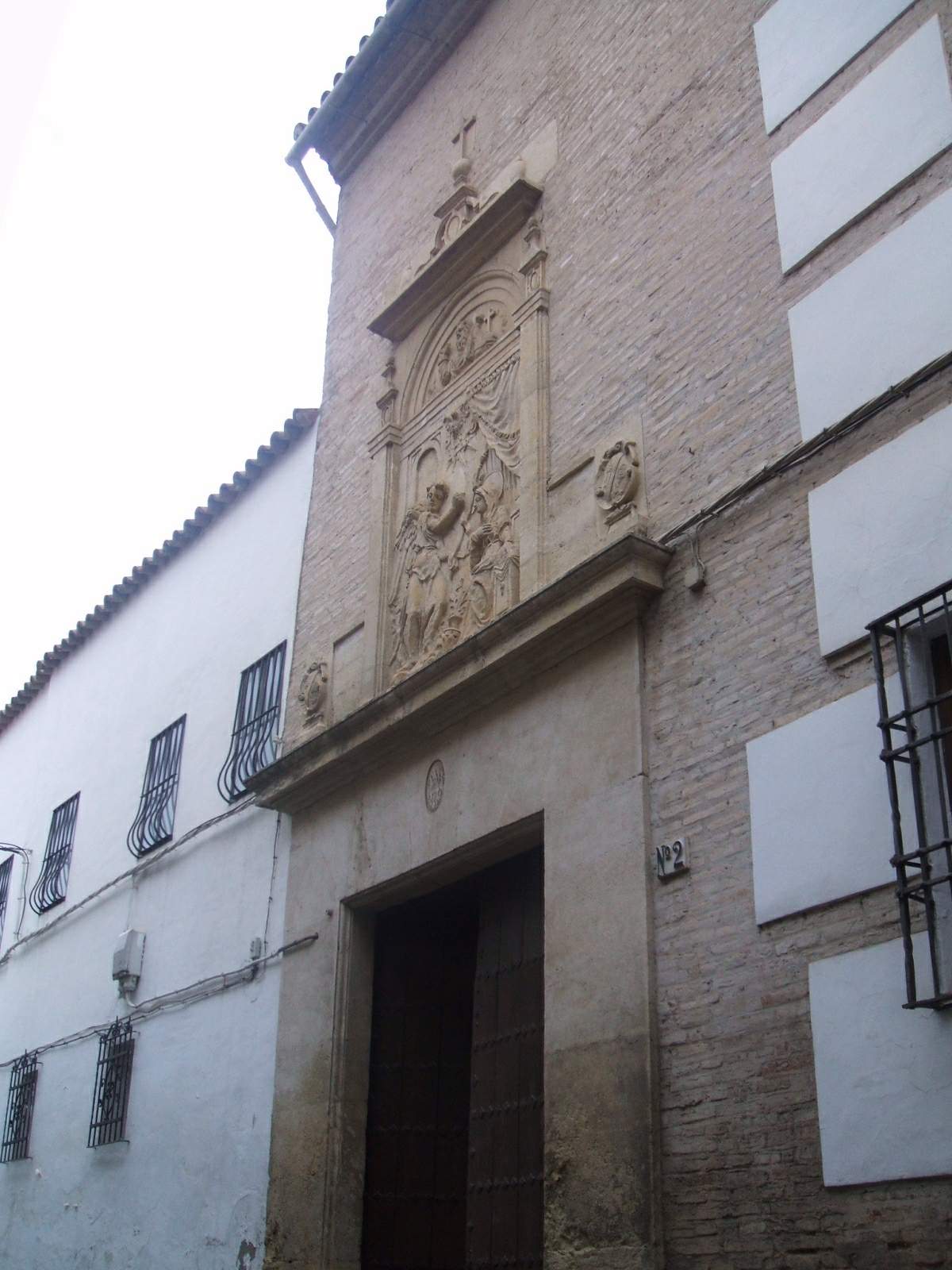
Convento de Santa Ana y San José is a convent of Discalced Carmelite nuns on Calle Ángel de Saavedra, tucked into one of the historic lanes of Córdoba's old town. It remains an active cloistered convent, and its church stays open to worshippers and visitors curious about the city's Baroque religious heritage.
How do you get there?
The convent sits within Córdoba's historic centre, an easy walk from the Mosque-Cathedral and the other landmarks of the old town. The narrow streets of this district are best covered on foot — walking there also means passing through the kind of tight, whitewashed Andalusian townscape the area is known for.
What will you see?
The community was founded by Discalced Carmelite nuns, with roots tied to the support of Saint John of the Cross, and the convent itself dates back to 1589. The church came a little later, built around 1608 under the patronage of the Marquis of Carpio.
The building follows a Latin-cross floor plan and is Baroque in style. Its façade features a niche holding a sculptural group of Saint Anne, the Virgin, and the Child — a direct nod to the convent's patron saint. Inside, the eighteenth-century main altarpiece stands out: dated to 1718, divided into three tiers and richly ornamented, it's a solid example of mature Spanish Baroque.
Beyond the church, the convent's cloister is worth a look, along with a Renaissance staircase bearing the founder's coat of arms and a loggia connecting the building to the garden behind it — details that give the place a quiet, contemplative feel despite sitting close to the busy tourist core of the city.
The convent's history hasn't been free of drama: on Christmas night in 1993, a fire destroyed several figures and part of the altarpiece decoration, apparently caused by a candle placed too close to a nativity scene. The damage was later repaired through restoration work, and the building has since been declared a Bien de Interés Cultural — Spain's equivalent of a protected historic monument, confirming its heritage value.
When should you visit?
Because this is a working cloistered convent, access to the interior generally follows mass schedules rather than a museum-style opening timetable. Services are usually held in the morning, so plan to visit early in the day when the church is open to the public. It's worth checking current times before you go, since they can shift with the season and the liturgical calendar.
Córdoba gets very hot in summer, so exploring the old town — including the streets around the convent — is more comfortable in spring or autumn, when temperatures are milder and walking the narrow lanes is more pleasant.
Frequently asked questions
Can you freely walk into the church? The church belongs to an active cloistered convent, so access mainly follows mass times rather than an all-day tourist visiting schedule.
What's the most valuable feature inside? The Baroque main altarpiece from 1718, divided into three sections and heavily ornamented, considered one of Córdoba's notable examples of the style.
Has the building suffered any damage over the years? Yes — a fire in 1993 destroyed some figures and part of the altarpiece decoration; the convent was later restored.
Is the site officially protected? Yes, it has been declared a Bien de Interés Cultural, Spain's formal recognition of its historical and architectural value.
Nearby places

Earn badges for the places you visit
Download NextOnTrip, discover new places and check off your trails.