About this place
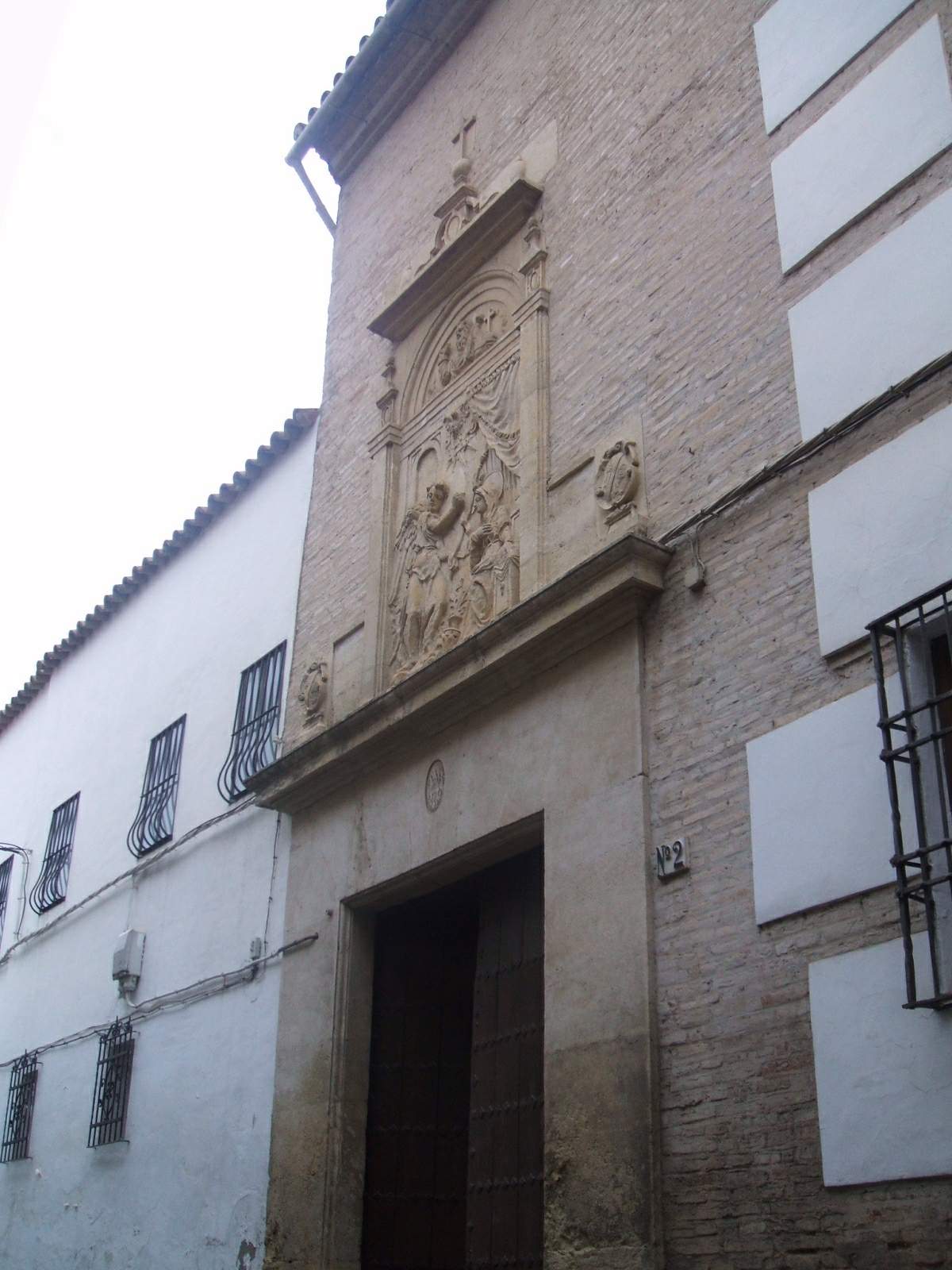
Monasterio de San Pedro el Real is one of Córdoba's oldest religious foundations, established on the very day the city fell to King Ferdinand III of Castile. Though the building now goes by a different name, its origin story places it at the exact hinge point when Córdoba passed from Muslim to Christian rule.
Why was it called San Pedro el Real?
On 29 June 1236 — the same day Ferdinand III's forces took Córdoba — the Christian calendar marked the feast of Saints Peter and Paul. To celebrate the victory, the king founded two convents in the newly conquered city: San Pablo for the Dominicans and San Pedro for the Franciscans. The Franciscan house kept the name San Pedro el Real until the 19th-century disamortization, the Spanish state's seizure and sale of church property, after which the building took on the identity it carries today. Historians and architecture researchers still use the older name to trace the site back to its founding moment.
The monastery belongs to the group known as the Fernandine churches, a set of temples Ferdinand III ordered built across Córdoba to stamp a Christian presence onto a city that had just spent centuries as the capital of the Caliphate of Córdoba. That context is what makes the site worth seeking out: it isn't an isolated monument but one piece of a coordinated 13th-century building campaign.
What will you actually see inside?
The medieval structure did not survive untouched. An extensive 18th-century renovation gave the church a fully Baroque interior, a transformation common to many Córdoba churches of that era, when Gothic and Mudejar spaces were overlaid with ornate plasterwork, gilding, and new altarpieces. Visitors expecting exposed 13th-century stonework will instead find Baroque decoration layered over an older shell — the medieval bones are there, but largely hidden beneath later work.
The building's historical weight was formally recognized by the Spanish state: on 24 March 1982 it was listed as a Bien de Interés Cultural (a protected cultural heritage monument), confirming its significance beyond the local parish.
How do you get there, and when should you go?
The church sits in Córdoba's historic center, within walking distance of the city's biggest draws, including the Mosque-Cathedral and the old Jewish quarter. Mornings or later afternoons work best, since Córdoba summers run brutally hot; spring (April-May) and early autumn (October) are the most comfortable seasons for exploring the old town on foot. It's worth pairing a visit here with the other Fernandine churches nearby to trace the full arc of 13th-century Christian building activity in a single day.
Frequently asked questions
Is Monasterio de San Pedro el Real the same building as the Basílica de San Pedro in Córdoba? No, they're different buildings. San Pedro el Real historically refers to the former Franciscan convent that now carries a different name, while the Basílica de San Pedro is a separate Fernandine church elsewhere in the city.
When was the monastery founded? On 29 June 1236, the day Córdoba fell to Ferdinand III, which coincided with the feast of Saints Peter and Paul.
What architectural style dominates the interior today? Baroque, the result of an 18th-century renovation that covered over the church's original medieval form.
Does the building have heritage protection? Yes. It was declared a Bien de Interés Cultural (protected cultural heritage monument) on 24 March 1982.
Nearby places

Earn badges for the places you visit
Download NextOnTrip, discover new places and check off your trails.